










What's Happening?
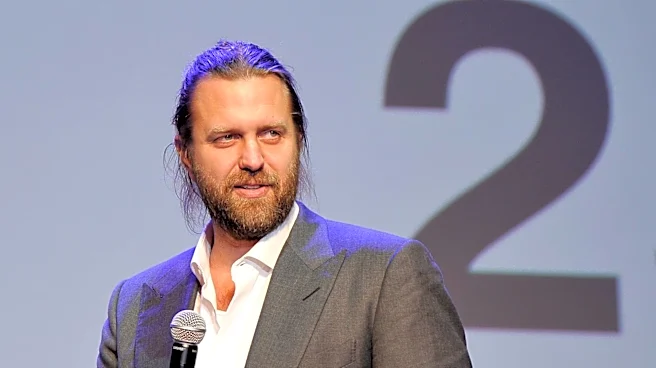
Carl Erik Rinsch, known for directing the 2013 film '47 Ronin', has been sentenced to 30 months in federal prison for defrauding Netflix of $11 million. The U.S. District Judge Jed S. Rakoff delivered the sentence following Rinsch's conviction on charges
including wire fraud and money laundering. Prosecutors revealed that Rinsch transferred the funds from a Netflix deposit into personal accounts, subsequently losing a significant portion through risky stock market investments. Despite claiming progress on a Netflix-funded sci-fi show, Rinsch diverted remaining funds into cryptocurrency and luxury purchases. His defense cited mental health struggles as a factor in his actions. In addition to prison time, Rinsch faces three years of supervised release and must forfeit the $11 million.
Why It's Important?
This case underscores the serious legal consequences of financial fraud within the entertainment industry. Netflix, a major player in content production, was defrauded of substantial funds intended for a new project, highlighting vulnerabilities in financial oversight. The sentencing serves as a warning to industry professionals about the repercussions of misusing corporate funds. It also raises questions about the accountability of filmmakers and the need for stringent checks in financial transactions. The case may prompt streaming services to implement more rigorous financial controls to prevent similar incidents, impacting how future projects are funded and managed.
What's Next?
Following the sentencing, Rinsch will begin his prison term and subsequently serve a supervised release period. The case may lead to increased scrutiny of financial practices in the entertainment sector, potentially influencing how streaming services like Netflix manage project funding. Industry stakeholders might advocate for enhanced transparency and accountability measures to safeguard investments. Additionally, the legal outcome could encourage other companies to reassess their financial oversight mechanisms to prevent fraud.