







What's Happening?
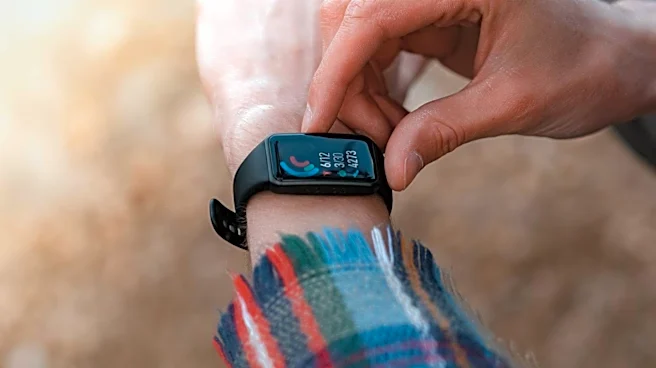
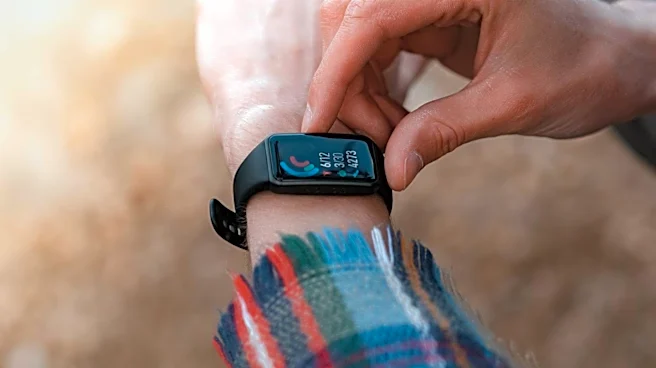
The BodyOn Wellness Tracking device, paired with the QRing app, is designed for general wellness awareness and trend-watching rather than medical precision or diagnosis. Customer reviews highlight its low-fuss syncing capabilities with smartphones, allowing
for instant daily checks of estimated metrics like SpO2 and HRV. The device aims to provide users with insights into their sleep stages, duration, and quality. It is explicitly stated that BodyOn Wellness Tracking is not a medical device and should not be used as a substitute for appropriate medical assessment or monitoring. Its purpose is to offer general estimates for personal awareness, connecting quickly to the QRing app for a painless daily tracking routine.
Why It's Important?
In the U.S. market, the proliferation of consumer wellness tracking devices like BodyOn Wellness Tracking raises important distinctions between general health awareness and medical-grade monitoring. This device's clear positioning as a trend-watching tool, not a diagnostic one, is crucial for consumer understanding and safety. It helps manage user expectations, preventing potential misuse or over-reliance on non-medical data for critical health decisions. For the healthcare industry, it underscores the ongoing challenge of educating the public about the limitations of consumer wearables. For consumers, it means understanding that while these devices can offer valuable insights into personal wellness patterns, they are not replacements for professional medical advice or equipment, impacting how individuals approach their health management and interact with their healthcare providers.
What's Next?
The trend of consumer wellness devices focusing on 'awareness' rather than 'diagnosis' is likely to continue, with manufacturers emphasizing user-friendly interfaces and seamless syncing capabilities. Regulatory bodies may increase their scrutiny of how these devices are marketed to ensure clear differentiation from medical devices. There could also be a rise in educational campaigns aimed at consumers to help them understand the appropriate use and limitations of such technology. Future developments might include more sophisticated algorithms for trend analysis and personalized wellness recommendations, while still maintaining the non-medical classification. The market will likely see more devices that integrate easily into daily routines, providing accessible data for general well-being without venturing into clinical claims.
Beyond the Headlines
The emergence of devices like BodyOn Wellness Tracking reflects a broader cultural shift towards self-monitoring and proactive wellness management. While empowering individuals with personal data, it also highlights the ethical considerations of data privacy and the potential for misinterpretation of health metrics. The emphasis on 'trend-watching' encourages a long-term perspective on health, moving beyond isolated data points to understand overall patterns. This could foster greater personal responsibility for health, but also necessitates a critical approach to the information provided by non-medical devices. It also opens discussions about the digital divide, as access to and understanding of such technology may vary across different socioeconomic groups, impacting equitable health engagement.