





What's Happening?
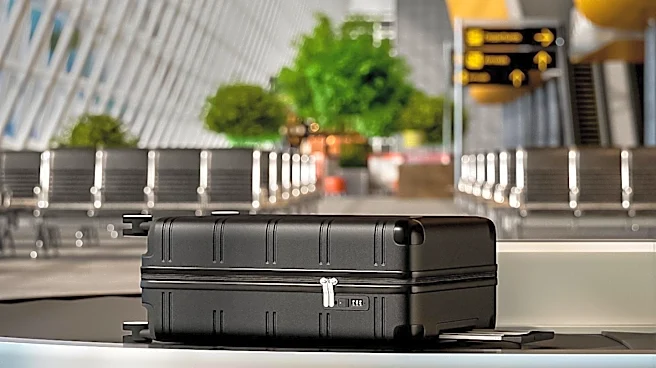
Unclaimed Baggage, a retailer specializing in items from lost luggage, has established comprehensive procedures for processing and selling its inventory. All clothing items undergo professional cleaning in what is described as the largest commercial laundry
facility in Alabama. Electronic equipment is thoroughly tested to ensure functionality, and all personal data is erased according to official National Institute of Standards and Technology (NIST) standards before being offered for sale. The company emphasizes its commitment to selling high-quality products and employs a team of experts with extensive experience in authenticating jewelry and luxury brands. This team continuously monitors the latest fashion and fraud trends to prevent the sale of counterfeit goods. In certain instances, third-party experts are engaged to appraise jewelry or confirm authentication, providing an additional layer of assurance for customers. Any counterfeit items discovered are immediately disposed of, and in the rare event an inauthentic item is inadvertently sold, the purchase is refunded, and the product is returned for team training and destruction.
Why It's Important?
These rigorous protocols are crucial for maintaining consumer trust and ensuring the integrity of the secondary market for goods. By implementing professional cleaning, data erasure, and authentication processes, Unclaimed Baggage addresses key concerns that consumers might have when purchasing pre-owned items, particularly electronics and luxury goods. The adherence to NIST standards for data erasure is particularly significant in an era of heightened data privacy concerns, protecting buyers from potential identity theft or misuse of personal information. For the broader retail landscape, this model demonstrates how businesses can create value from unconventional sources while upholding quality and ethical standards. It also highlights the growing importance of authentication in combating the proliferation of counterfeit goods, which can harm legitimate brands and defraud consumers. The company's commitment to customer satisfaction, including its refund policy for inauthentic items, reinforces its dedication to transparency and reliability in the resale market.
What's Next?
The continued success of businesses like Unclaimed Baggage, which prioritize authenticity and quality in the resale market, could influence broader trends in consumer behavior and retail practices. As consumers become more environmentally conscious and seek value, the market for pre-owned goods is likely to expand. This could lead to other retailers adopting similar stringent authentication and cleaning processes to capitalize on this growing demand. Furthermore, the company's proactive approach to identifying and disposing of counterfeit items sets a precedent for responsible reselling, potentially encouraging industry-wide best practices. The ongoing evolution of authentication technologies, such as AI-powered verification, could further enhance the accuracy and efficiency of these processes. For consumers, this means a potentially wider array of trustworthy options for purchasing pre-owned items, contributing to a more sustainable consumption model and reducing waste.
Beyond the Headlines
Beyond the practical aspects of cleaning and authentication, Unclaimed Baggage's business model touches upon deeper societal and economic themes. It represents a unique form of circular economy, giving new life to items that would otherwise be lost or discarded. This contributes to waste reduction and resource conservation, aligning with broader sustainability goals. The company's ability to transform lost property into a viable retail enterprise also speaks to the inherent value of goods and the potential for creative business solutions. Ethically, the careful handling of personal data on electronic devices underscores the responsibility businesses have in protecting individual privacy, even when dealing with abandoned property. The continuous training of authentication experts reflects the ongoing battle against counterfeiting, a global issue that impacts intellectual property rights, consumer safety, and economic stability. This business serves as a tangible example of how discarded items can be repurposed, creating economic opportunity while addressing environmental and ethical considerations.