





What's Happening?
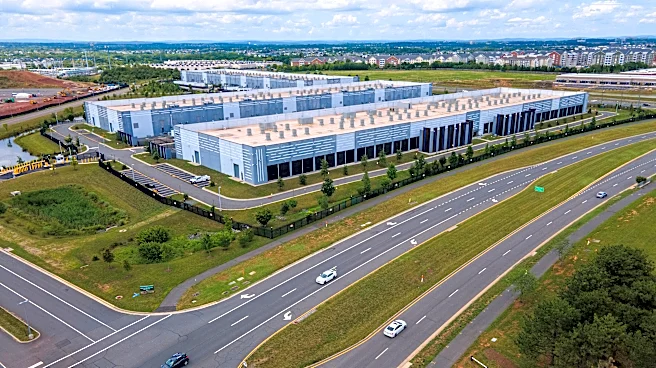
The Wheeling City Council has approved a binding Memorandum of Understanding (MOU) with Silicon Foundry LLC regarding its data center project. This agreement specifically prohibits Silicon Foundry from operating as a 'high-impact' data center by setting
a cap on its power consumption at 90 megawatts. According to Mayor Denny Magruder, this cap ensures the facility will not exceed the threshold for a large data center. In exchange for this commitment, the city retains the right to establish or extend a Tax Increment Financing (TIF) district, which provides certain financing capabilities for the city. The decision was made during a council meeting that saw significant public input, with many residents expressing ongoing concerns about the data center's construction, citing issues reported in other areas like Ohio and Michigan. Residents voiced frustration that the 90-megawatt cap does not alleviate their worries about potential noise and environmental impacts.
Why It's Important?
This decision is important for Wheeling as it attempts to balance economic development with community concerns regarding large-scale industrial projects. The MOU's power cap aims to mitigate some of the potential negative impacts associated with high-impact data centers, such as excessive energy consumption and environmental strain. For Silicon Foundry, the agreement provides a framework for its operations within the city, potentially facilitating its development through TIF district financing. However, the strong public opposition highlights a broader challenge for municipalities: how to integrate new technologies and industries while addressing residents' quality-of-life and environmental concerns. The council's move to cap power usage reflects an effort to exert some control over the project's scale, but it also underscores the tension between attracting investment and protecting local interests. The debate also brings to light the varying definitions and perceptions of what constitutes a 'destructive' or 'high-impact' facility, with residents arguing that 90 megawatts is still a significant amount.
What's Next?
Following the approval of the MOU, the city of Wheeling will likely proceed with discussions and potential actions related to establishing or extending a TIF district for the Silicon Foundry project. City officials, including Mayor Magruder, have indicated that while the current MOU focuses on financing, the council is actively discussing steps to develop broader 'guardrails' and regulations for future data center developments in Wheeling. This suggests that more comprehensive policies to address community concerns, such as noise and environmental impact, may be forthcoming. Residents who remain concerned about the project's long-term effects are expected to continue advocating for their interests, potentially influencing the scope and nature of these future regulations. The implementation of the TIF district and the ongoing development of the data center will be closely watched by both the community and potential investors.
Beyond the Headlines
The Wheeling City Council's decision reflects a growing national trend where local governments grapple with the implications of large data center developments. While these facilities promise economic benefits and technological advancement, they often come with significant demands on local infrastructure, particularly power grids, and raise environmental concerns due to their energy consumption and cooling requirements. The residents' arguments about noise and environmental impact, even with a power cap, highlight a deeper societal debate about sustainable development and the balance between technological progress and community well-being. The council's acknowledgment that the MOU primarily addresses financing rather than all community concerns suggests a potential disconnect between economic incentives and holistic urban planning. This situation could set a precedent for how other U.S. cities approach similar projects, emphasizing the need for transparent communication and comprehensive impact assessments that go beyond mere power consumption limits.