







What's Happening?
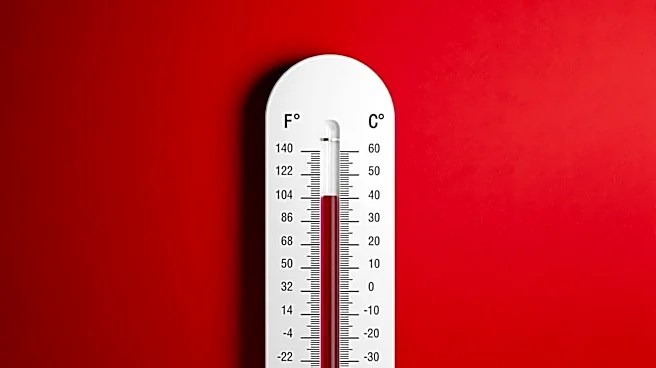
Marathon runners are increasingly facing challenges due to rising global temperatures, which are affecting race conditions. Jessica Lefkowitz, a runner who participated in the Berlin Marathon, experienced unexpected heat, with temperatures reaching 81
degrees Fahrenheit, significantly higher than the usual 50 to 65 degrees. This trend is part of a broader pattern, as the World Meteorological Organization confirmed that the past 11 years have been the hottest on record globally. A Climate Central analysis predicts that by 2045, 86% of marathons will have less favorable running temperatures. Despite these conditions, marathon participation is at an all-time high, with record applications for major races. Experts recommend that runners adapt their training to include heat acclimatization strategies, such as running during hotter parts of the day or simulating heat stress through various methods.
Why It's Important?
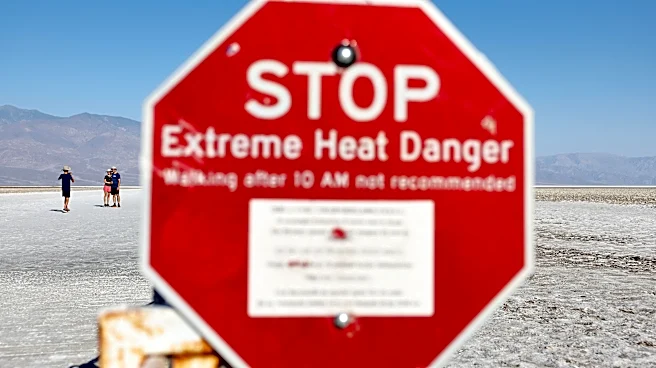
The increasing temperatures pose significant health risks to marathon runners, including heat exhaustion and heat stroke, which can be life-threatening if not promptly addressed. This situation underscores the need for runners to adjust their training and race strategies to ensure safety and performance. The popularity of marathons continues to grow, highlighting the importance of effective preparation and adaptation to changing environmental conditions. The trend also reflects broader climate change impacts, affecting not only sports but various aspects of daily life and health. As marathons attract large numbers of participants and spectators, the implications for public health and event management are substantial.
What's Next?
Runners and race organizers are likely to continue adapting to these changing conditions. This may include more widespread use of early-finish options, increased medical support, and enhanced communication about weather conditions and safety measures. As climate change progresses, the need for innovative solutions and strategies to mitigate its effects on sports and outdoor activities will become increasingly critical. Stakeholders, including race organizers, health professionals, and athletes, will need to collaborate to develop effective responses to ensure the safety and enjoyment of participants.