






What's Happening?
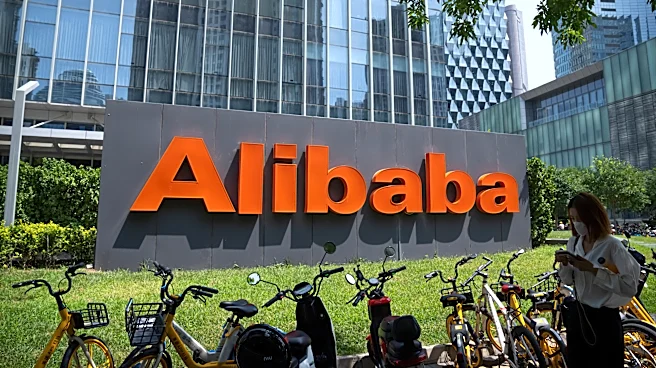
Shares of Chinese artificial intelligence (AI) model developers, including Alibaba and Baidu, experienced declines following reports that Beijing regulators have initiated a probe into startups DeepSeek and Moonshot AI. The investigation reportedly stems
from data security concerns, specifically accusations from Anthropic that these two startups were routing sensitive data through its Claude models. Alibaba, which develops the Qwen model, saw its stock fall by 4%, while Baidu eased by 2%. This sell-off indicates that the market is targeting companies with AI model and cloud exposure, rather than a broader downturn in Chinese technology stocks. The reported probe introduces regulatory risk to the AI model layer, which had previously been a source of optimism and stock appreciation for these companies.
Why It's Important?
For U.S. investors, this development highlights the increasing regulatory scrutiny faced by AI companies, particularly concerning data security and cross-border data flows. The probe underscores the potential for regulatory actions to significantly impact the valuation and operational freedom of AI model developers. The accusations of routing sensitive data through foreign models raise questions about national data sovereignty and the security implications of international AI collaborations. This could lead to stricter data localization requirements and increased compliance costs for companies operating in the AI space, affecting their global strategies and partnerships. The market's reaction, with targeted declines in AI-exposed stocks, suggests that regulatory risk is a growing factor in investment decisions within the AI sector, both in China and potentially globally.
What's Next?
The reported probe is likely to intensify regulatory oversight of AI model development and data handling practices in China. Companies involved, directly or indirectly, may face demands for greater transparency, stricter data governance protocols, and potentially penalties or operational restrictions. This could slow down the development and deployment of new AI models if companies become more cautious to avoid regulatory pitfalls. For U.S. companies with AI operations or partnerships in China, this situation could necessitate a review of their data security practices and compliance frameworks. The broader implication is a potential shift towards more localized AI development and data processing, which could fragment the global AI ecosystem and impact the competitiveness of companies relying on international data flows.
Beyond the Headlines
The regulatory probe into Chinese AI model developers over data security concerns touches upon a critical ethical and geopolitical dimension of artificial intelligence. The issue of data sovereignty and the potential for sensitive information to be processed or stored in foreign jurisdictions is a growing concern for governments worldwide. This incident could accelerate the trend towards 'AI nationalism,' where countries prioritize the development and control of their own AI infrastructure and data ecosystems. It also raises ethical questions about the responsible use of AI models and the need for robust safeguards to prevent data misuse or unauthorized access. The long-term implications could include a more fragmented global AI landscape, with different regions developing distinct regulatory frameworks and technological standards, potentially impacting the interoperability and universal applicability of AI solutions.