




What's Happening?
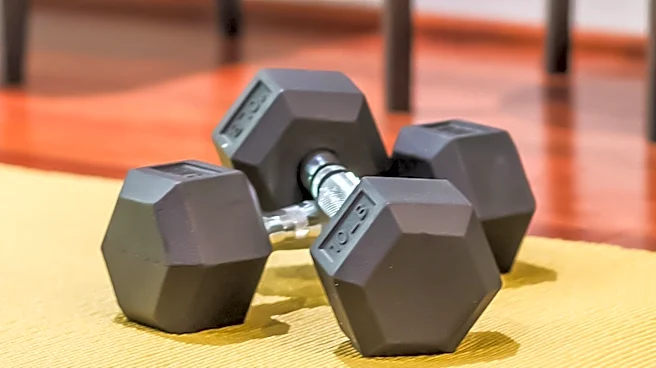
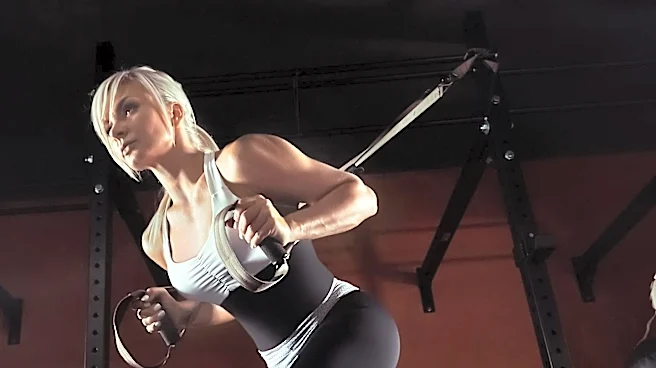
Shirley Ballas, the head judge of 'Strictly Come Dancing,' has shared her three-step morning routine that helps her stay fit and manage the physical demands of her role. At 66, Ballas begins her day with a 90-minute weighted workout. Following this intensive
exercise, she transitions to a 20-minute sauna session. The final step in her routine is an ice bath, which she credits with rejuvenating her muscles and preventing post-workout fatigue and soreness. Ballas explained that this combination allows her to feel ready for the day, even during the busiest periods of the year, such as the 'Strictly' season, which involves long filming days, rehearsals, and extended periods on her feet. She shared this routine in an Instagram video on her birthday, detailing each component and its benefits for her physical well-being.
Why It's Important?
This routine highlights the importance of consistent training and recovery, particularly for individuals in physically demanding roles or as they age. Ballas's emphasis on a 90-minute weighted workout underscores the benefits of strength training in counteracting age-related bone and muscle loss. Regular weight training is crucial for maintaining independence and mobility, and it significantly reduces the risk of falls in older adults. The inclusion of sauna and ice bath treatments demonstrates a holistic approach to recovery, which can enhance muscle rejuvenation and reduce soreness, allowing for sustained physical activity. While Ballas's specific routine is tailored to her individual needs and demanding schedule, it serves as an example of how prioritizing both exercise and recovery can contribute to overall fitness and well-being, especially when facing a busy lifestyle or the natural physiological changes associated with aging.
What's Next?
While Ballas's routine is highly individualized, the principles she employs—consistent strength training, heat therapy, and cold therapy—are increasingly recognized for their benefits. We may see a continued trend in fitness and wellness communities promoting integrated recovery methods alongside strenuous workouts. For individuals inspired by Ballas's approach, the next steps might involve exploring how to incorporate elements of her routine, such as regular weight training or recovery techniques, into their own lives, albeit at a scale appropriate for their personal fitness levels and resources. Fitness professionals and health experts may continue to advocate for personalized fitness plans that balance intense activity with adequate recovery, drawing on examples like Ballas's to illustrate the effectiveness of such comprehensive strategies. The broader conversation around active aging and maintaining physical health through structured routines is likely to gain further traction.
Beyond the Headlines
Beyond the immediate physical benefits, Ballas's routine touches upon deeper aspects of discipline, self-care, and the psychological resilience required to maintain a high level of performance. Her commitment to a rigorous morning regimen, even on her birthday, reflects a strong dedication to her craft and personal health. This dedication can inspire a broader cultural shift towards viewing fitness not just as an aesthetic pursuit, but as a fundamental component of longevity and professional capability, regardless of age. The combination of intense physical exertion with deliberate recovery methods also highlights a growing understanding of the body's need for both stress and repair. This integrated approach challenges conventional notions of aging, suggesting that with consistent effort and smart recovery, individuals can continue to perform at high levels and maintain vitality well into their later years, fostering a more proactive and holistic view of health and wellness.