




What's Happening?
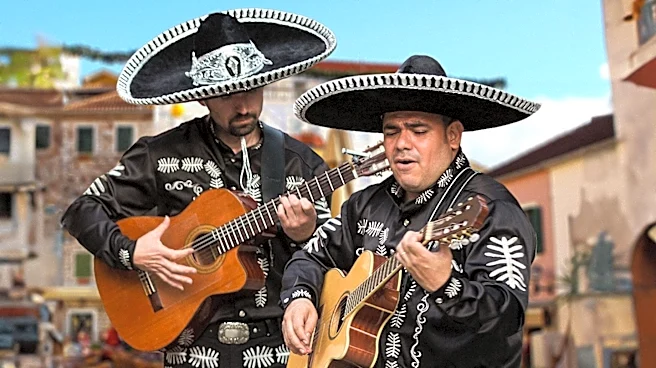
Northern Illinois University (NIU) recently hosted a workshop dedicated to corridos, a traditional Mexican music genre characterized by its storytelling lyrics. The event, part of the annual Treinta y Tres conference held on November 12 at NIU's Latino
Resource Center, was divided into two segments. The initial part of the workshop provided participants with examples of traditional corridos, such as "Adelita" by Trio González, and insights into their composition. Sonja Thrush, an adjunct professor of Spanish and Latin American Studies at the College of Lake County, explained that corridos are narrative ballads that predate the Mexican Revolution. During the revolution, they served as a means to disseminate news from battlefields, share love stories, satirize opponents, or honor revolutionary figures. Thrush co-led the workshop with Sandra Aguilera, a language lab specialist, drawing on their respective teaching experiences in Mexican Revolution corridos and soundscapes. The conference theme, "Rhythms of Resistance: Music, Performance, and Cultural Expression," attracted their participation. The workshop aimed to educate attendees on the historical and cultural significance of this musical form.
Why It's Important?
This workshop is significant as it highlights the cultural preservation and academic exploration of a vital aspect of Mexican and Mexican-American heritage within a U.S. academic institution. Corridos are more than just music; they are historical documents and cultural narratives that reflect societal changes, political events, and community values. By studying corridos, participants gain a deeper understanding of Mexican history, including the role of women during the Mexican Revolution, as noted by Christina Abreu, director of the Center for Latino and Latin American Studies at NIU. The genre's evolution to narrate contemporary social issues within Mexican and Mexican-American communities underscores its enduring relevance and adaptability. Educational initiatives like this workshop foster cultural literacy and appreciation, bridging historical contexts with modern expressions. It also provides a platform for creative engagement, as participants were encouraged to compose their own corridos, thereby actively participating in the tradition.
What's Next?
The continued evolution of corridos suggests that academic and cultural institutions will likely further explore their contemporary forms and societal impact. Modern renditions of corridos, which have blended with other music genres, continue to address social issues relevant to Mexican and Mexican-American communities. This ongoing adaptation ensures the genre's longevity and relevance. Future academic conferences and workshops may delve into these modern interpretations, analyzing how corridos reflect current events and cultural shifts. The exposure of corridos through platforms like NPR's Tiny Desk Concerts, featuring artists such as Los Tigres del Norte, indicates a growing mainstream recognition and appreciation for the genre. This increased visibility could lead to more research, educational programs, and artistic collaborations that further integrate corridos into broader cultural discussions and academic curricula, both within and beyond Latino studies programs.
Beyond the Headlines
Beyond the immediate educational benefits, the workshop on corridos touches upon deeper implications regarding cultural identity, historical memory, and artistic expression. Corridos serve as a powerful medium for marginalized voices to tell their stories and preserve their histories, often in ways that official records might overlook. The genre's ability to adapt from chronicling revolutionary battles to addressing modern social issues demonstrates its resilience and capacity for cultural commentary. This adaptability highlights the dynamic nature of cultural traditions in the face of changing societal landscapes. Furthermore, the interactive component of the workshop, where participants wrote their own corridos, underscores the democratic potential of this art form, allowing individuals to engage in personal and communal storytelling. This practice reinforces the idea that history and culture are not static but are continually shaped and reinterpreted by those who participate in them, fostering a sense of collective memory and identity.