



What's Happening?
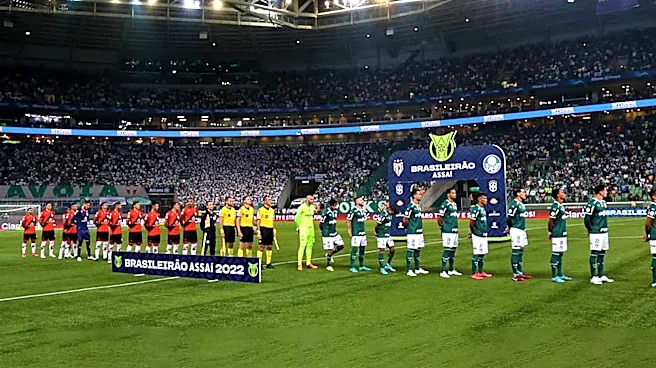
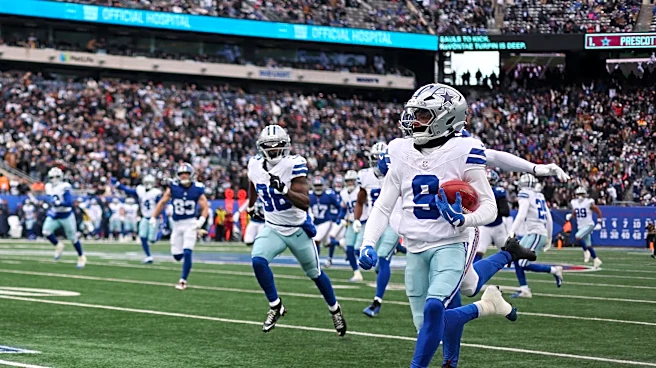
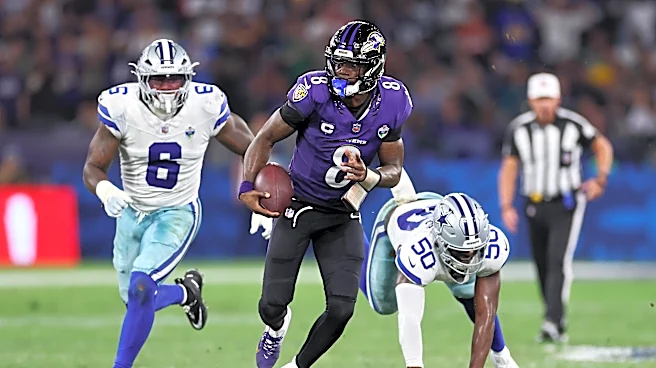
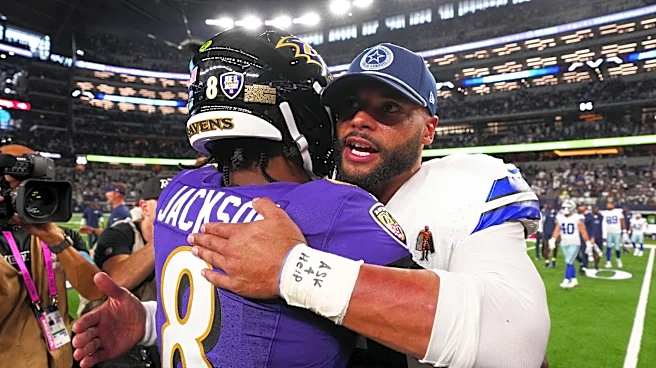
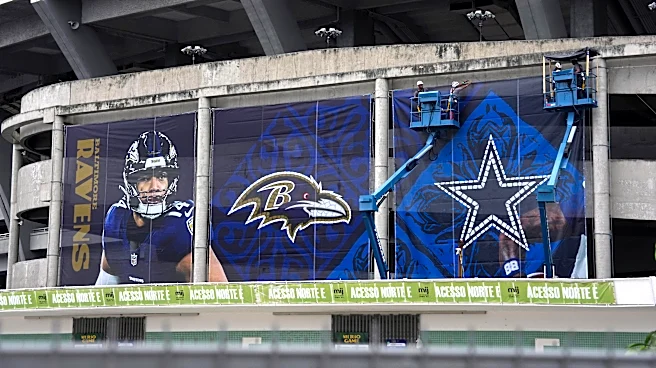
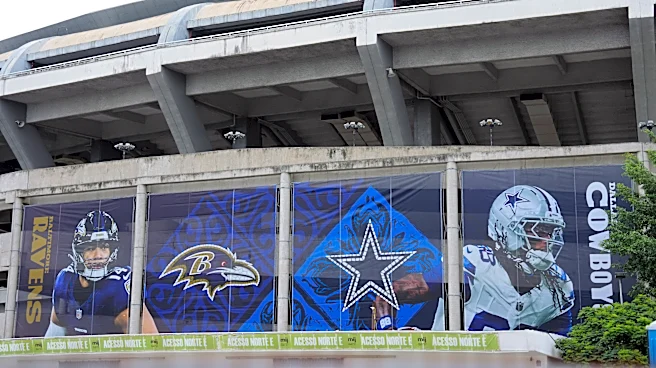
Jerry Jones, owner of the Dallas Cowboys, has voiced his displeasure regarding the team having to forfeit a home game for an international NFL fixture. The Cowboys are scheduled to play an international game for the first time since 2014, with their upcoming
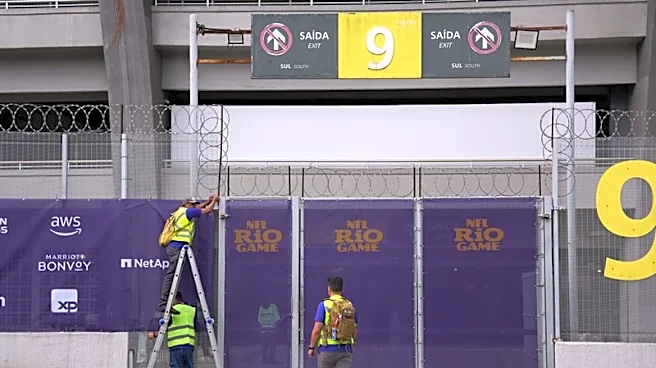
match against the Baltimore Ravens taking place in Brazil. While Jones acknowledges the benefits of international games for global interest and television exposure, he specifically dislikes the sacrifice of a home game. He stated that while he supports the NFL's efforts to expand its international presence, he wishes it did not come at the expense of one of the Cowboys' nine home games. Despite his reservations about losing a home game, Jones has also expressed interest in the Cowboys playing a game in Mexico in the future, though he hopes it would not require giving up another home fixture. The controversy surrounding the game in Brazil also includes concerns about the field conditions at Rio de Janeiro's Maracanã Stadium, which has been heavily used by local soccer clubs and affected by heavy rainfall, leading to visible patches and uneven areas. Jones initially assessed the field conditions as “acceptable” but indicated he would continue to monitor them.
Why It's Important?
Jerry Jones's comments highlight a significant tension within the NFL's strategy for international expansion: balancing global market growth with the interests of individual team owners and their local fan bases. Forfeiting a home game means a direct loss of revenue from ticket sales, concessions, and local sponsorships for the Cowboys, a team valued at approximately $17 billion according to Forbes. This financial impact is substantial, especially for a franchise with a dedicated fan base that fills its home stadium. The NFL's push for international games aims to broaden its audience and increase television viewership globally, which can lead to larger media rights deals and overall league profitability. However, the resistance from prominent owners like Jones indicates that the league may face ongoing challenges in implementing these international initiatives without addressing the concerns of teams regarding lost home game revenue and fan engagement. The issue of field conditions in international venues also raises player safety concerns, which could impact the willingness of teams and players to participate in such games, potentially affecting the quality of play and the league's reputation.
What's Next?
The NFL will likely continue its international game strategy, but the concerns raised by Jerry Jones and others may prompt further discussions within the league about how to mitigate the impact on teams losing home games. This could involve exploring alternative scheduling models, offering increased financial incentives to teams that play internationally, or ensuring that international games are primarily played by teams designated as the 'away' team. The league will also need to address player safety concerns regarding field conditions in international venues, potentially by investing more in venue preparation and maintenance or by establishing stricter standards for playing surfaces. For the Cowboys, their participation in future international games will likely continue, especially as visiting teams, given Jones's acknowledgment of the benefits for global interest. The team's performance in the Brazil game, particularly regarding any injuries sustained, could further influence future decisions on international play. Additionally, the Cowboys are actively looking to address defensive issues due to injuries, with inquiries about trading for Pittsburgh Steelers cornerback Joey Porter Jr., indicating immediate strategic moves to bolster their roster.
Beyond the Headlines
The debate over international NFL games extends beyond immediate financial and logistical concerns, touching upon the evolving global identity of American sports. While the NFL seeks to become a truly global brand, the resistance from owners like Jerry Jones underscores the deep-rooted cultural and economic significance of home games within the American sports landscape. The 'home game' is not just a venue for a match; it's a community event, a tradition, and a significant part of a team's local identity. Sacrificing this for international expansion, even with its broader benefits, can alienate a loyal fan base and dilute the local connection that is fundamental to American football. This tension highlights a broader challenge for globalizing cultural products: how to expand without losing the core elements that make them appealing in their original context. The NFL's approach to this issue will set a precedent for other American sports leagues looking to expand their international footprint, potentially influencing how they balance global ambitions with local loyalties and traditions.