




What's Happening?
Ukraine's steelmaking industry is on the brink of collapse, according to Yuriy Ryzhenkov, CEO of Metinvest, the country's largest steelmaker. The industry is facing a dual threat: relentless Russian bombing campaigns and new tariffs imposed by the European
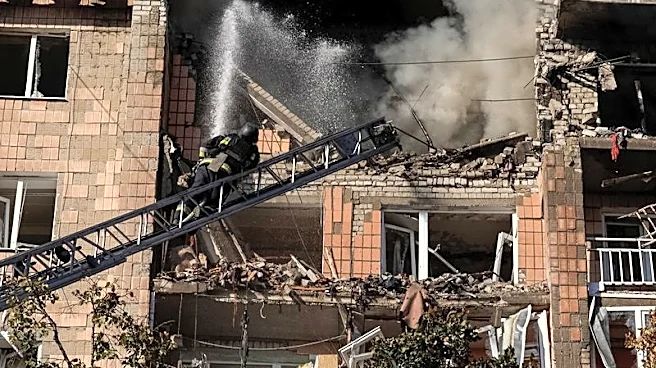
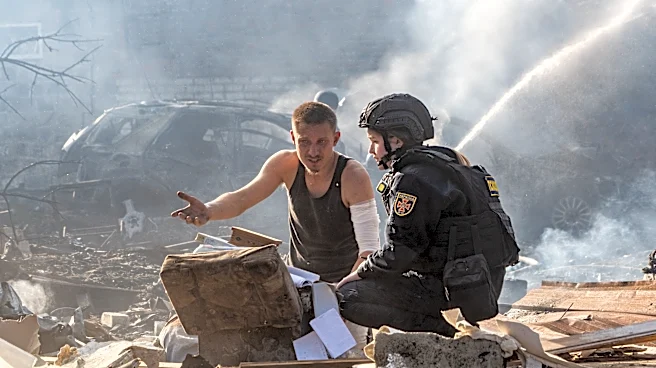
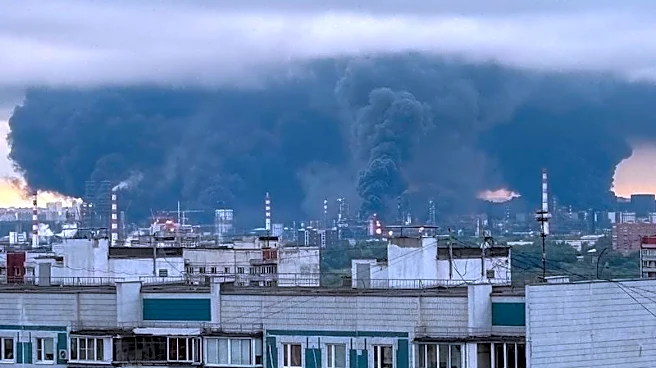
Union. Russian attacks have severely damaged Metinvest's facilities, leading to the closure of both its steel mills and significant casualties among its employees. Between 2021 and 2025, Ukraine's steel production plummeted from 21 million metric tons to 7.4 million, with export values dropping from $22 billion to $6 billion, and tax revenues from $3.5 billion to $870 million. Compounding these issues, the EU implemented new tariffs in July, cutting Ukraine's key steel tariff-rate quota by 60%, which is expected to reduce steel imports from Ukraine to the EU by 1.3 million metric tons annually. Ryzhenkov argues that these tariffs are too harsh given Ukraine's wartime circumstances and its reliance on the EU market due to blocked seaports.
Why It's Important?
The potential collapse of Ukraine's steelmaking industry has profound implications for the country's economy, its war effort, and its post-conflict recovery. Steel is a foundational industry, contributing significantly to GDP, employment, and export revenues. Its decline means a substantial loss of economic output and tax income, further straining Ukraine's already war-battered finances. Crucially, the degradation of steel supply also directly impacts the Ukrainian armed forces, as steel is essential for military equipment and infrastructure repair. The EU tariffs, while intended to protect European industry, inadvertently create a 'pincer movement' that undermines Ukraine's economic resilience at a critical time. This situation highlights the complex challenges faced by a nation at war, where economic policies from allies can have unintended negative consequences.
What's Next?
Negotiations between Ukraine and the EU are ongoing, with the EU acknowledging Ukraine's unique situation. The immediate future will likely involve efforts to revise or adjust the tariff policies to provide Ukraine with more favorable market access. Without such adjustments, Ryzhenkov warns that the end of steelmaking in Ukraine is 'almost inevitable.' Ukraine will also need continued international support to rebuild and protect its industrial infrastructure from Russian attacks. The long-term viability of the industry will depend on both a cessation of hostilities and a supportive international trade environment that recognizes Ukraine's extraordinary circumstances. Failure to address these issues could lead to a permanent loss of industrial capacity and a prolonged economic recovery.
Beyond the Headlines
This situation raises critical questions about the balance between protecting domestic industries and supporting wartime allies. The EU's tariff decision, despite its stated intent, inadvertently creates an economic vulnerability for Ukraine, potentially undermining the broader goal of supporting its resistance. It highlights the need for integrated policy approaches where economic, security, and humanitarian considerations are harmonized. Furthermore, the destruction of industrial capacity in Ukraine could have long-term geopolitical consequences, potentially altering regional economic landscapes and supply chains. The ethical dimension of economic policies impacting a nation under attack will likely remain a point of contention and discussion among international partners.