







What's Happening?
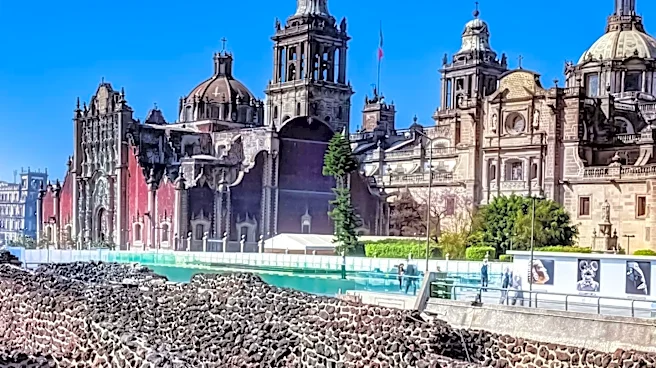
Mexico City, often referred to as CDMX, is a sprawling metropolis recognized for its rich historical heritage and dynamic cultural scene. The city's historic center, the Zócalo, is a central point surrounded by significant landmarks such as the Metropolitan
Cathedral and the National Palace, which features frescoes by Diego Rivera. The National Museum of Anthropology is a key institution, housing an extensive collection of pre-Columbian artifacts, including the Aztec Stone of the Sun. Beyond its historical core, Mexico City offers diverse neighborhoods like Coyoacán, known for Frida Kahlo's Blue House, and the unique floating gardens of Xochimilco. The city also boasts a world-renowned gastronomic scene and modern areas such as Polanco and Roma, showcasing a blend of historical layers from the Aztec capital of Tenochtitlan to Spanish colonial influences and contemporary Mexican traditions. Visitors can explore these facets through various means, including audio-guided tours that cover 25 points of interest, providing insights into the city's millennia-old history, architecture, and culture.
Why It's Important?
Mexico City's status as a major cultural and historical hub is significant for several reasons. Its preservation of pre-Columbian and colonial heritage offers invaluable insights into the historical development of Mexico and the broader Americas, attracting international tourism and academic interest. The city's vibrant cultural scene, encompassing museums, art, and gastronomy, contributes significantly to its economy through tourism, hospitality, and related industries. The blend of ancient history with modern urban life makes it a unique destination, fostering cultural exchange and understanding. Furthermore, its role as a major Latin American capital means that its cultural and economic trends often influence the wider region, impacting tourism flows, investment in cultural preservation, and the global perception of Mexican identity. The city's ability to integrate its past with contemporary developments serves as a model for urban development that respects historical roots while embracing modernity.
What's Next?
As Mexico City continues to evolve, future developments are likely to focus on sustainable tourism and urban planning to manage its growing popularity. Efforts may include further investment in infrastructure to support tourism, such as improved public transportation and digital guides, as highlighted by the availability of audio-guided tours. There will likely be continued emphasis on preserving historical sites and promoting cultural events to maintain its appeal as a cultural capital. Additionally, the city's gastronomic scene is expected to further solidify its global reputation, attracting more culinary tourism and potentially leading to new culinary innovations. Urban development in neighborhoods like Polanco and Roma will likely continue, balancing modernization with the preservation of local character. The city may also explore new ways to integrate technology into the visitor experience, making its rich history and culture more accessible to a global audience.
Beyond the Headlines
Beyond its immediate appeal as a tourist destination, Mexico City represents a complex interplay of historical resilience and modern dynamism. The city's ability to rebuild and reinvent itself over centuries, from the Aztec capital to a Spanish colonial center and now a global metropolis, reflects a profound cultural adaptability. This continuous evolution raises deeper questions about urban identity, heritage preservation in the face of rapid development, and the role of culture in shaping a city's future. The coexistence of ancient ruins with contemporary architecture, and traditional markets with high-end boutiques, illustrates a unique urban fabric where past and present are in constant dialogue. This dynamic environment also presents challenges related to social equity, infrastructure strain, and environmental sustainability, which are critical for the city's long-term viability and its continued role as a cultural beacon.