






What's Happening?
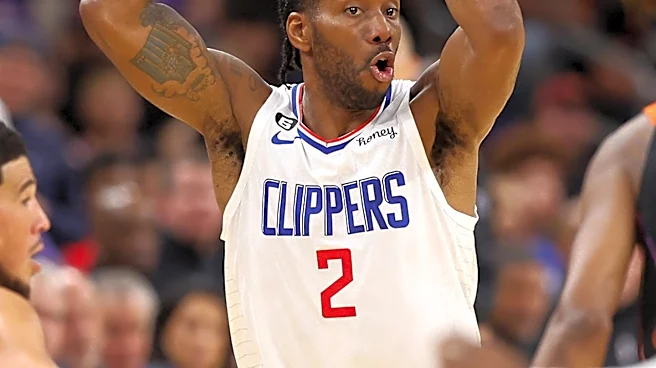
The NBA has imposed the harshest salary cap penalty in its history on the Los Angeles Clippers following an investigation into their secret payments to Kawhi Leonard. The investigation, conducted by outside counsel at Wachtell, Lipton, Rosen & Katz, found
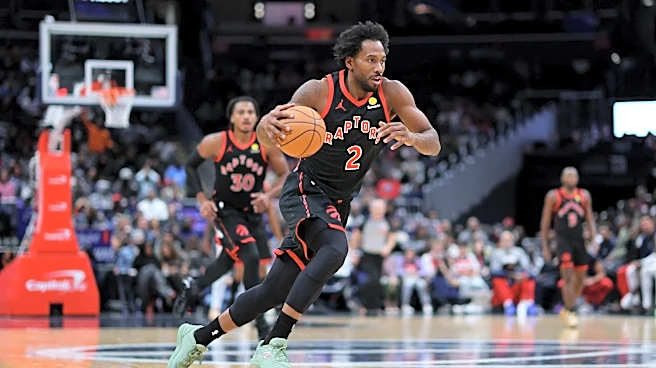
that the Clippers routed undisclosed compensation to Leonard through four companies doing business with the team. These 'no show' arrangements paid Leonard millions more for no meaningful work, circumventing the salary cap. For instance, the Clippers instructed a scoreboard manufacturer to pay Leonard a specific amount as a condition for winning an arena video-board contract, and later increased this payment when scoreboard spending expanded. The NBA's findings, released in September, concluded that the Clippers had violated salary cap rules, leading to the unfreezing of Leonard's trade to the Toronto Raptors, which had been delayed for nearly three months. The penalties include a $30 million fine, the forfeiture of five first-round draft picks, a one-year suspension for owner Steve Ballmer, and suspensions for two senior executives.
Why It's Important?
This scandal highlights a significant vulnerability in the financial integrity of professional sports leagues, particularly concerning salary caps and competitive balance. The NBA's salary cap is designed to ensure fair competition and financial stability, relying on a good-faith agreement between the league, its teams, and players. The Clippers' actions undermine this foundation, demonstrating how teams might exploit loopholes to gain an unfair advantage. The involvement of private equity investors in NBA teams adds another layer of complexity. These funds, while not directly involved in day-to-day decisions, exert pressure on majority owners to achieve high returns, which can incentivize creative, and potentially illicit, ways to circumvent rules to win championships and increase franchise value. This incident serves as a cautionary tale for other leagues like the NFL, NHL, and MLB, which also operate with spending limits and private equity ownership, suggesting that similar schemes could emerge if compliance systems are not robust.
What's Next?
The Clippers are now under a five-year compliance monitoring program, but the broader question remains: what prevents other teams from engaging in similar practices? The current lack of consistent disclosure requirements for player endorsement deals across leagues is a critical gap. Experts suggest that the NBA and other leagues need to implement significant reforms in their next collective-bargaining negotiations. These reforms should include establishing a joint oversight board with players' associations to monitor endorsements and owner investments, adopting clear rules to distinguish legitimate deals from hidden compensation, and imposing harsher financial penalties tied to the scale of any illicit scheme. Without such changes, the financial incentive for teams to circumvent rules will persist, potentially leading to more scandals and further eroding the integrity of professional sports.
Beyond the Headlines
The Clippers scandal exposes a deeper ethical and legal challenge within professional sports: the tension between competitive ambition and regulatory compliance. The fact that the scandal only came to light through investigative journalism, rather than the league's own compliance system, underscores a systemic weakness. This raises questions about the effectiveness of internal oversight mechanisms and the need for greater transparency in financial dealings between teams and players. The increasing influence of private equity in sports ownership further complicates this landscape, as the pursuit of high returns can create powerful incentives for rule-bending. The case of LeBron James and the Philadelphia 76ers, with questions surrounding an endorsement deal involving a helicopter, suggests that the issue of undisclosed or ambiguously structured compensation is not isolated to the Clippers. This ongoing challenge necessitates a re-evaluation of how leagues enforce their financial regulations and maintain a level playing field.