










What's Happening?
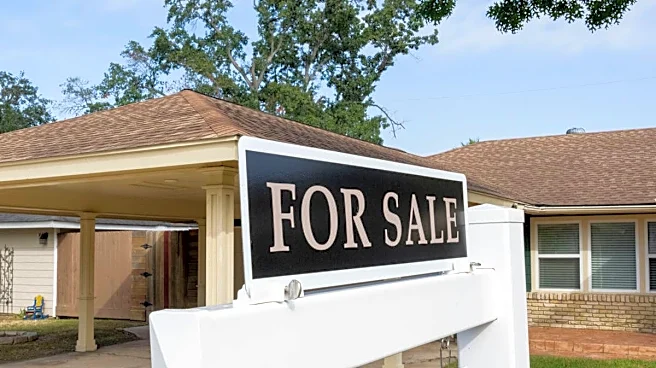
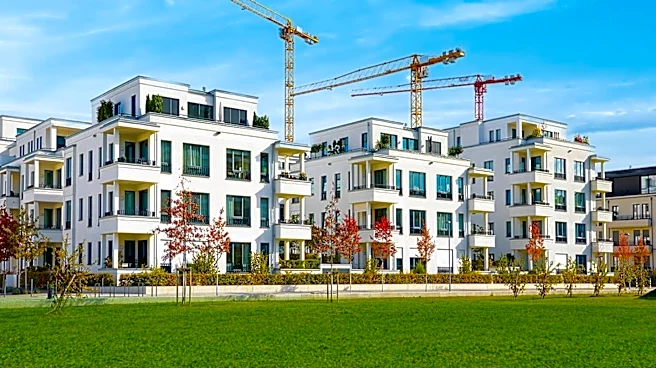
The U.S. Census Bureau reported a significant increase in multi-family housing construction in June, with a 76% rise in units for buildings with five or more units compared to May. This surge contrasts with a decline in single-family housing starts, which
fell by 0.2% from the previous month. The overall private-owned housing starts increased by 19% month over month, driven by the multi-family sector. The rise in multi-family construction comes as builders face challenges from high mortgage rates and increased construction costs, which have dampened single-family homebuilding. The National Association of Home Builders noted that builders are struggling with elevated costs for materials, transportation, and insurance, which are impacting new construction expenses.
Why It's Important?
The shift towards multi-family housing construction reflects broader economic pressures, including high mortgage rates and construction costs, which are affecting the housing market. This trend could impact the availability and affordability of housing, particularly for single-family homes. The increase in multi-family units may help address housing shortages in urban areas, providing more rental options. However, the decline in single-family home construction could exacerbate the existing supply gap, affecting homebuyers seeking ownership. The recently passed 21st Century ROAD to Housing Act aims to incentivize new construction, but its effects will take time to materialize. The housing market's response to these dynamics will be crucial for economic stakeholders, including builders, buyers, and policymakers.
What's Next?
The housing market is expected to continue facing challenges from high mortgage rates and construction costs. Builders may increasingly focus on multi-family projects to meet demand in urban areas. The implementation of the 21st Century ROAD to Housing Act could gradually ease supply constraints, but immediate impacts are unlikely. Policymakers and industry leaders will need to monitor these trends closely to address the housing supply gap effectively. The market's ability to adapt to these pressures will be critical in determining future housing affordability and availability.