




What's Happening?
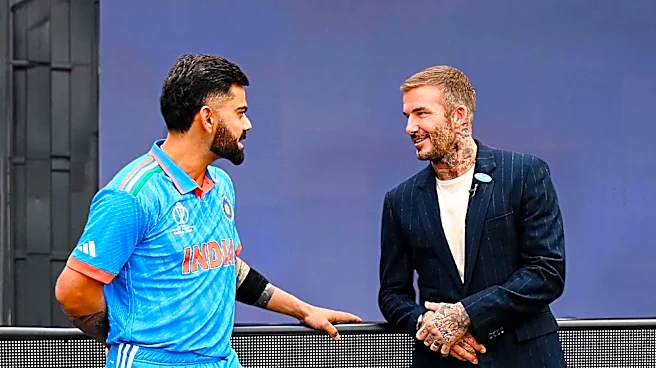
David Beckham emerged as a significant commercial figure during the 2026 FIFA World Cup, held in the United States. The former England captain capitalized on the event by engaging in numerous high-profile partnerships, reportedly earning an estimated
$25 million. Beckham's involvement included collaborations with major brands such as Adidas, Pepsi, and Stella Artois, the latter being an official sponsor of the tournament. His presence was not limited to advertisements; he was also a visible figure in VIP suites, often accompanied by his wife, Victoria Beckham. Beckham's efforts to promote soccer in the U.S. have been longstanding, beginning with his tenure as a player for LA Galaxy in 2007 and continuing with his role as co-owner of Inter Miami. His influence was further highlighted by his successful persuasion of Lionel Messi to join Major League Soccer (MLS). The World Cup's success in the U.S. is seen as a testament to Beckham's impact on the sport's popularity in the country.
Why It's Important?
Beckham's branding success at the World Cup underscores the growing commercial potential of soccer in the United States. His ability to attract major sponsorships and his role in increasing the sport's visibility highlight the economic opportunities within American soccer. The World Cup's success in the U.S. also reflects a shift in the country's sports culture, where soccer is gaining traction as a mainstream sport. This development could lead to increased investment in soccer infrastructure and youth programs, potentially elevating the U.S. as a competitive force in international soccer. Beckham's influence extends beyond the field, as his commercial ventures contribute to the sport's financial ecosystem, benefiting stakeholders such as advertisers, broadcasters, and merchandise retailers.
What's Next?
The success of the 2026 World Cup in the U.S. is likely to spur further growth in American soccer. With increased interest and investment, MLS could see an expansion in its fan base and talent pool. Beckham's continued involvement in the sport, particularly through Inter Miami, may lead to more high-profile signings and collaborations, further enhancing the league's reputation. Additionally, the positive reception of the World Cup could encourage other international tournaments to consider the U.S. as a viable host, bringing more global attention and economic benefits to the country. As soccer's popularity rises, there may also be a push for improved facilities and youth development programs to nurture homegrown talent.
Beyond the Headlines
Beckham's success at the World Cup highlights the intersection of sports and celebrity culture, where personal branding plays a crucial role in an athlete's career. His ability to leverage his fame for commercial gain sets a precedent for other athletes looking to expand their influence beyond the field. This trend reflects a broader shift in how sports figures are perceived, with an emphasis on their marketability and impact on popular culture. The World Cup also demonstrated the power of sports as a unifying force, bringing together diverse audiences and showcasing the U.S. as a hospitable and capable host for international events.