





What's Happening?
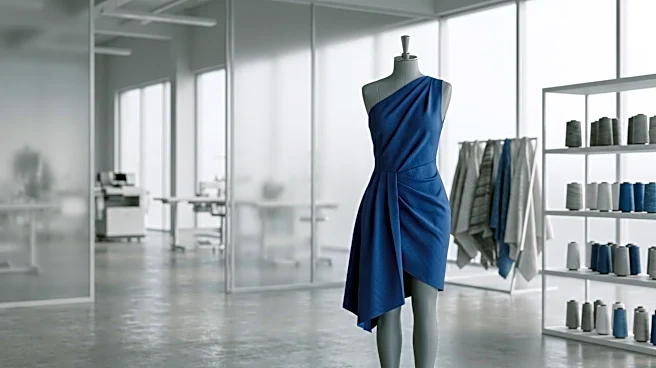
The fashion industry is increasingly adopting digital avatars to transform product showcases and enhance online retail. These hyper-realistic avatars convert standard product images into dynamic 4K videos, allowing online shoppers to visualize the drape,
movement, and fit of garments without the need for traditional models or photoshohoots. This technology enables brands to create inclusive campaigns by featuring avatars of diverse ethnicities, body types, and ages. Beyond product display, AI avatars are being integrated into virtual reality (VR) retail environments, acting as virtual sales assistants and shopping companions. This aims to address the 'social deficit' in VR retail by fostering a sense of social presence and engagement, moving beyond solitary browsing to a more immersive and interactive shopping experience. The use of AI avatars also extends to virtual models and AI influencers, offering scalable marketing solutions and reducing the costs associated with traditional modeling.
Why It's Important?
This shift towards digital avatars holds significant implications for the U.S. fashion and retail industries. For businesses, it offers a cost-effective and scalable alternative to traditional marketing and product presentation methods, potentially reducing expenses related to models, photoshoots, and physical locations. The ability to provide a more accurate and dynamic preview of garments can lead to reduced return rates, a major challenge for online retailers. Furthermore, the technology promotes inclusivity by allowing brands to represent a wider range of demographics, which can resonate with a broader consumer base and foster brand loyalty. In the evolving landscape of e-commerce and VR retail, AI avatars are crucial for creating engaging and socially immersive shopping experiences, potentially driving higher customer engagement and purchase intent. This innovation could redefine how fashion brands interact with consumers and market their products in the digital age.
What's Next?
The adoption of digital avatars in fashion is expected to expand, with continued advancements in realism and interactive capabilities. Brands will likely further integrate these avatars into their e-commerce platforms, social media campaigns, and VR retail initiatives. The development of more sophisticated AI will enable avatars to offer personalized styling suggestions and conversational assistance, making the virtual shopping experience even more tailored. We may see an increase in the use of AI influencers, who can promote products and engage with audiences without the logistical constraints of human counterparts. The industry will also focus on refining the physics-grounded motion of digital garments to ensure natural behavior of fabrics, further enhancing the realism and effectiveness of these virtual showcases. As VR retail matures, AI avatars will play a central role in creating compelling and socially rich virtual storefronts.
Beyond the Headlines
The rise of digital avatars in fashion touches upon deeper implications concerning authenticity, labor, and the future of human interaction in commerce. Ethically, questions may arise regarding the potential displacement of human models and influencers, and the impact on creative industries. The technology also challenges traditional notions of beauty and representation, offering both opportunities for greater inclusivity and potential pitfalls if not managed thoughtfully. Culturally, as consumers become more accustomed to interacting with AI-driven entities, the line between virtual and real experiences in shopping and marketing may blur. This could lead to a re-evaluation of what constitutes genuine connection and influence. Long-term, the widespread use of digital avatars could fundamentally alter consumer expectations for online shopping, pushing for more immersive, personalized, and visually rich experiences across all retail sectors.