





What's Happening?
The Bread&&Butter festival by Zalando, held for three summers in Berlin during the 2010s, served as a significant cultural event that merged fashion, music, and youth culture. Unlike traditional fashion trade shows, this festival was open to the public,
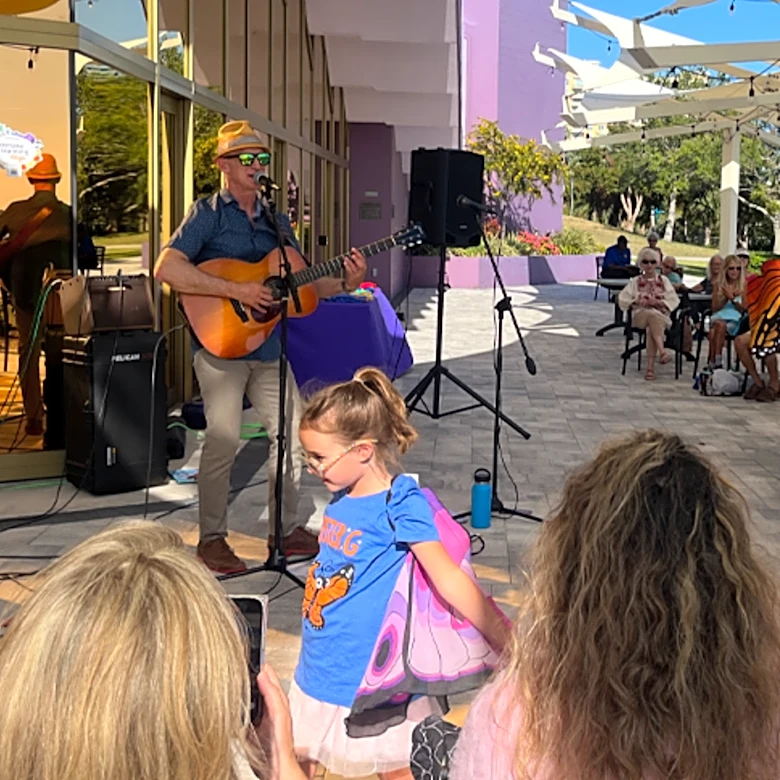
attracting over 30,000 attendees in both 2017 and 2018. It featured runway shows, limited-edition product drops, after-parties, street food, DJ sets, and performances by artists like M.I.A, FKA twigs, Princess Nokia, Stefflon Don, and Gunna. The event showcased a dynamic environment where DJs and rappers took on creative director roles, models collaborated with luxury brands, and underground club nights influenced fashion collections. This inclusive approach aimed to bridge the gap between the fashion industry's 'old guard' and how young people discovered and consumed clothing, reflecting a period where the lines between fashion, music, art, and nightlife became increasingly fluid.
Why It's Important?
The Bread&&Butter festival's innovative model highlighted a crucial shift in the fashion industry during the 2010s, moving away from exclusive, industry-only events towards more inclusive, consumer-facing experiences. This approach democratized fashion, making it accessible to a broader audience and fostering a direct connection between brands and youth culture. The festival's success demonstrated the growing influence of music, streetwear, and digital subcultures on mainstream fashion trends. It also underscored the importance of experiential marketing and community building in an era where traditional fashion week models were being critiqued for their perceived disconnect from young consumers. The event's legacy serves as a reminder of the potential for cultural collision to drive innovation and engagement within the fashion and entertainment sectors.
What's Next?
While the Bread&&Butter festival concluded in 2018, its impact on how fashion and youth culture intersect continues to resonate. Zalando, the organizer, is reportedly gearing up for a 'new era' of celebrating this intersection, suggesting that similar innovative approaches to engaging consumers and fostering cultural exchange may emerge. The festival's model of integrating diverse elements like music, art, and street culture into a fashion event could inspire future initiatives that seek to create more dynamic and inclusive platforms. The ongoing evolution of digital subcultures and social media will likely play a significant role in shaping these future endeavors, as brands and creators continue to explore new ways to connect with audiences and define emerging trends.
Beyond the Headlines
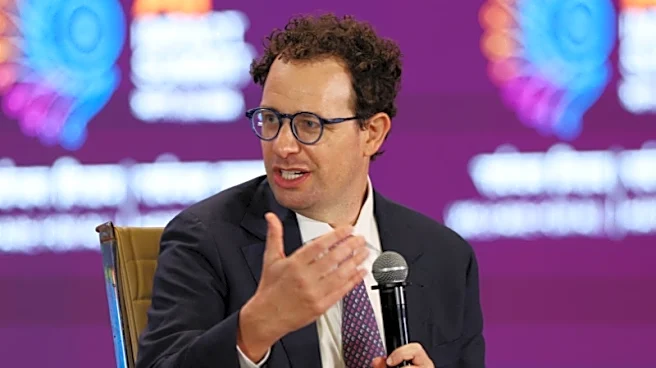
The Bread&&Butter festival's success points to a deeper cultural phenomenon: the increasing blurring of boundaries between various creative industries. This cross-pollination, where music influences fashion, and digital trends shape both, reflects a broader shift in how culture is produced and consumed. The festival's emphasis on inclusivity and direct consumer engagement also highlights a growing demand for authenticity and community in an increasingly digital world. This trend challenges traditional hierarchical structures within industries, empowering new voices and fostering collaborative environments. The event's focus on 'what's next' panels, discussing the impact of social media on fashion and music, foreshadowed the profound influence that digital platforms would have on shaping cultural narratives and consumer behavior in the years to follow.