
What's Happening?
The cost of converting a garage in Los Angeles varies significantly, ranging from approximately $12,000 for a basic home office to $200,000 for a fully permitted Accessory Dwelling Unit (ADU) that includes
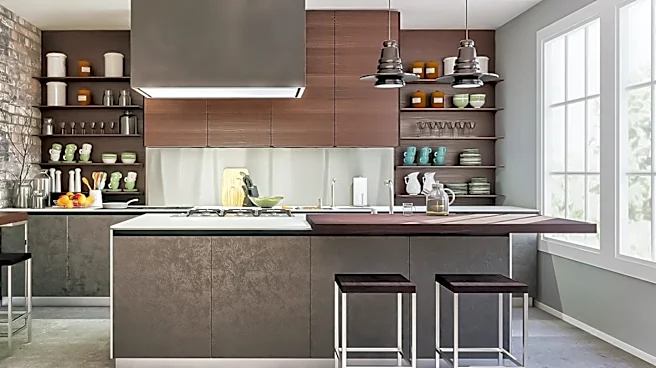
a kitchen. The primary factor driving this cost difference is the inclusion of a kitchen, which, under California law, reclassifies the space as an independent dwelling. This reclassification necessitates adherence to Title 24 compliance, a potentially five-figure plan check, and a specific permit pathway through the city's ADU unit. A habitable-room conversion in Los Angeles typically costs $50 to $100 per square foot, while a permitted ADU conversion can range from $250 to $400 per square foot, with higher costs for smaller footprints due to fixed expenses like kitchens and electrical panels being spread across less area. Other significant cost drivers include plumbing scope, the current condition of the garage (e.g., slab cracks, moisture), climate control systems, insulation, electrical capacity upgrades, and the addition or enlargement of windows and doors to meet egress requirements. The California Residential Code mandates a minimum finished ceiling height of 7 feet for habitable rooms, which can also impact costs if structural modifications are needed.
Why It's Important?
The varying costs and regulatory requirements for garage conversions in Los Angeles highlight a critical aspect of urban housing development and affordability. The ability to convert existing garages into ADUs offers a pathway to increase housing density without extensive new construction, potentially easing housing shortages and providing additional income streams for homeowners. However, the substantial cost difference between a simple room conversion and a full ADU, largely due to the inclusion of a kitchen, underscores the financial barriers homeowners face. This distinction impacts not only individual budgets but also the broader housing market, as it dictates the type and quantity of new housing units that can be created. The strict permitting and compliance requirements, while ensuring safety and quality, add complexity and expense, which can deter some homeowners from pursuing full ADU conversions. The potential for rental income, estimated at $1,500 to $3,000 per month for an ADU in Los Angeles, presents a significant economic incentive, but the payback period can be extended by additional costs like vacancy, maintenance, insurance, and property taxes. This dynamic influences investment decisions and the overall supply of affordable housing options in a high-cost-of-living area.
What's Next?
Homeowners considering garage conversions in Los Angeles will need to carefully assess their needs and budget, prioritizing whether a kitchen is essential for their intended use. The initial step involves inspecting the garage's slab and electrical panel to identify potential hidden costs. Engaging with the city's planning department early is crucial to understand specific requirements regarding ceiling height and egress rules, as these can vary across different areas within Los Angeles. A detailed budget should be developed, separating permit and soft costs (architectural, engineering, plan check fees) from construction expenses. Homeowners should also factor in a 10-20% contingency, especially for older garages. While some tasks like interior painting or non-structural demolition can be DIY, critical elements such as electrical panel work, plumbing rough-ins, structural modifications, and HVAC installation should be handled by licensed professionals. The CalHFA ADU Grant, which previously offered up to $40,000 for pre-development costs, is currently exhausted, meaning homeowners will likely need to explore alternative financing options like Home Equity Lines of Credit (HELOCs), cash-out refinances, or construction loans. Furthermore, homeowners must account for often-forgotten costs such as temporary storage, exterior work, HOA architectural reviews, furniture, increased insurance premiums, and potential asbestos testing.
Beyond the Headlines
The trend of garage conversions in Los Angeles reflects a broader societal shift towards maximizing existing property utility and addressing housing demands in dense urban environments. Beyond the immediate financial implications, these conversions raise questions about urban planning, sustainable development, and the evolving definition of 'home.' The emphasis on ADUs as independent dwellings, triggered by the addition of a kitchen, highlights a regulatory framework that distinguishes between mere additional space and a self-sufficient living unit. This distinction has profound implications for property values, neighborhood character, and the provision of diverse housing options. The loss of covered parking, a common consequence of garage conversions, also presents a challenge in car-dependent cities, potentially impacting neighborhood parking availability and homeowner preferences. The long-term success and integration of these ADUs will depend on how well they balance individual homeowner needs with community planning goals, ensuring that increased density does not compromise quality of life or essential urban infrastructure. The regulatory complexities also underscore the need for clear, accessible information and professional guidance to navigate the process effectively, preventing unpermitted work that can lead to significant legal and financial repercussions.