




What's Happening?
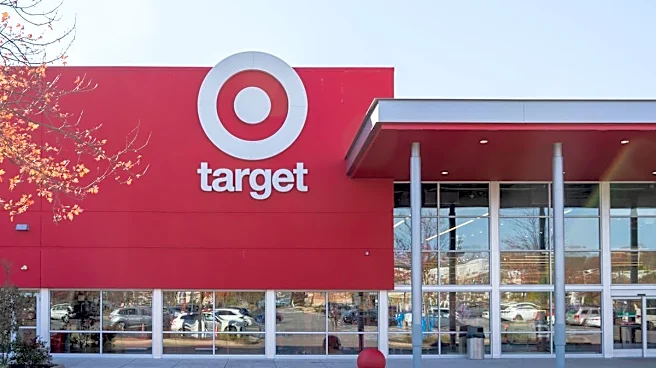
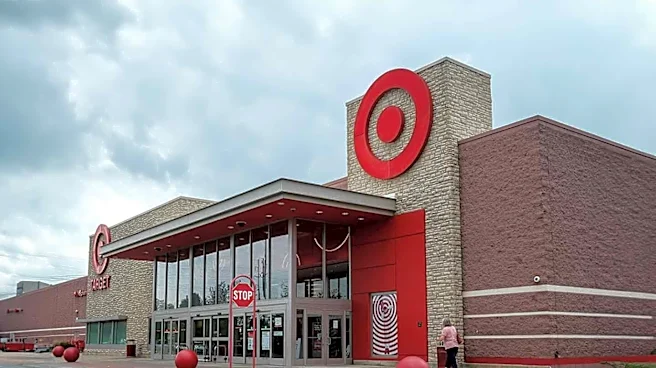
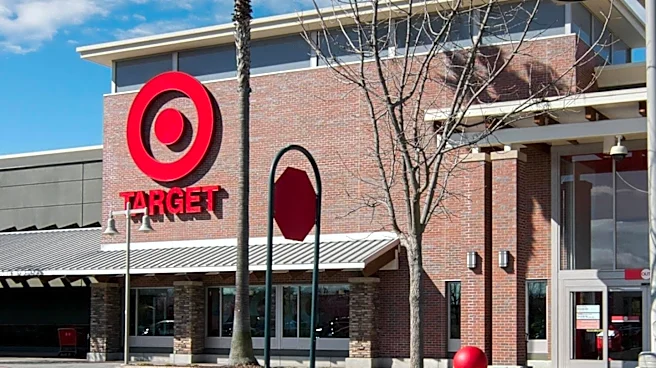
A new study by Ipsos North America, the 2026 Channel Check-In | Grocery eCommerce Study, has identified Target as the top-performing retailer for grocery delivery services in the U.S. Safeway, conversely, has been recognized as the leader in curbside
pickup. The study, which combines a survey of 1,236 online grocery shoppers with 1,423 mystery shops, evaluates the online grocery experiences offered by leading U.S. retailers. It also highlights key factors influencing shopper satisfaction and loyalty, such as price transparency and the integration of online and in-store shopping experiences. The research indicates that a significant portion of online grocery shoppers, specifically 59%, also shop in-store, emphasizing the need for consistent service across all channels. Furthermore, the study challenges the notion that e-commerce is a lower-spend channel, with 37% of hybrid shoppers spending the same online and in-store, and 27% spending more online.
Why It's Important?
This study is important for the U.S. retail and e-commerce sectors as it provides critical insights into consumer preferences and operational strengths within the rapidly evolving grocery market. Target's leadership in grocery delivery and Safeway's dominance in curbside pickup set benchmarks for other retailers, influencing strategic investments in logistics, technology, and customer service. The findings underscore the growing importance of a seamless omnichannel experience, where digital and physical retail channels complement each other to build customer loyalty. Retailers failing to meet consumer expectations in areas like price transparency and fulfillment fees risk losing customers, as one in three consumers would abandon an online order due to unexpected charges. This competitive landscape encourages innovation and efficiency, ultimately benefiting consumers through improved services and potentially more transparent pricing models. The data also suggests a shift in consumer spending habits, with online grocery becoming a significant, and in some cases, primary spending channel for many shoppers.
What's Next?
Following the release of the Ipsos study, other U.S. grocery retailers are likely to analyze these findings to refine their e-commerce strategies. Competitors may increase their focus on improving delivery speed, order accuracy, and pricing transparency to compete with Target and Safeway. We can anticipate further investments in technology to enhance the online shopping experience, including better inventory management systems and more personalized customer interactions. Retailers might also explore new partnership models, similar to The Fresh Market's collaboration with Instacart, to expand their delivery capabilities and reach. The emphasis on consistent experiences across physical and digital channels suggests that retailers will continue to integrate their online and in-store operations, potentially leading to more unified loyalty programs and promotional offers. Consumers can expect a continued evolution of grocery e-commerce services, with a focus on convenience, cost-effectiveness, and reliability.
Beyond the Headlines
Beyond the immediate competitive implications, the Ipsos study highlights a broader shift in consumer behavior and the retail industry's adaptation to digital transformation. The integration of online and in-store shopping, where nearly six in ten online grocery shoppers also visit physical stores, points to a future where the distinction between these channels blurs. This 'hybrid shopper' trend necessitates a holistic approach to retail, where brand perception and customer satisfaction are built across multiple touchpoints. The challenge of price transparency, where unexpected fees can deter a third of online orders, also raises ethical considerations about pricing strategies and consumer trust in digital transactions. As e-commerce continues to grow, the industry will need to address these issues to foster long-term customer relationships. The study also subtly indicates the potential for data-driven insights to shape retail operations, allowing companies to tailor services more precisely to consumer demands and preferences, thereby influencing the future of retail design and operational efficiency.