





What's Happening?
A unique property at 11830 E Concord Road in St. Louis, MO, is listed for sale, described as a 'mini homestead' with a focus on permaculture. The nearly half-acre property features a variety of established fruit trees, berries, and perennial plants, including
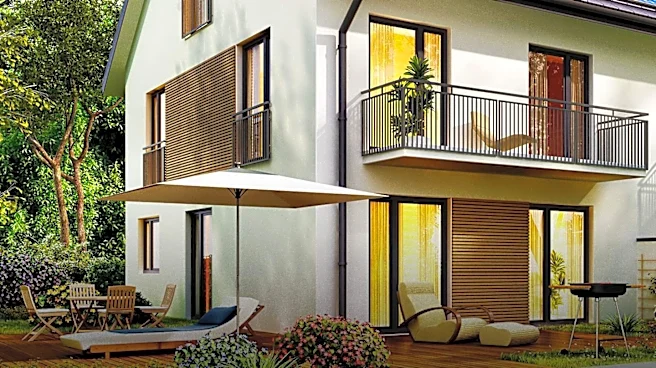
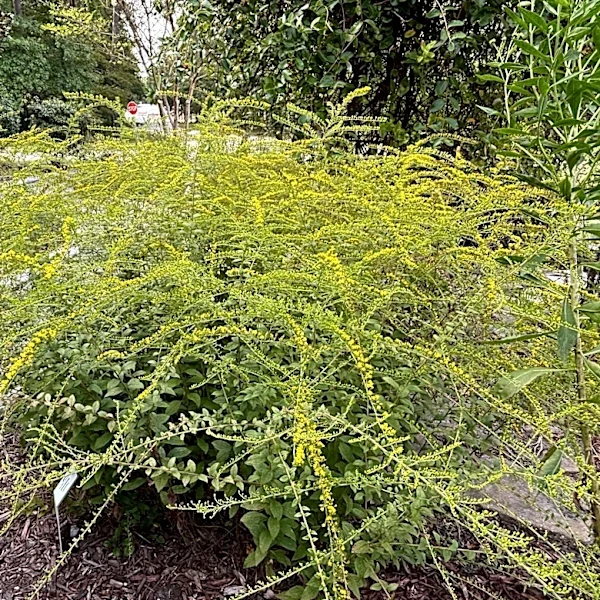
two apple varieties, a peach, raspberries, blackberries, blueberries, rhubarb, grapes, asparagus, and strawberries. It boasts over 60 plant species, herbs, and beneficial insects. A significant feature is a rainwater harvesting system, utilizing an old pool to store over twenty thousand gallons of water for irrigation. The interior includes multiple living spaces, a modern kitchen with ample counter space and cabinets, wood floors, and large windows. The property also offers a partially finished basement with potential for additional living areas, and it is located in an unincorporated area with no HOA, allowing for features like a chicken coop. The home is situated in the Lindbergh Schools district.
Why It's Important?
This property represents a growing trend in the U.S. real estate market towards self-sufficiency, sustainable living, and permaculture, even within suburban settings. The extensive established gardens and rainwater harvesting system highlight an increasing desire among homeowners to reduce their environmental footprint, grow their own food, and enhance ecological outcomes on their land. The absence of an HOA in an unincorporated area is a significant draw for buyers seeking greater freedom in property use, such as keeping chickens, which aligns with a broader movement towards homesteading and local food production. For the St. Louis area, this listing indicates a niche but expanding market for properties that offer both modern comforts and sustainable lifestyle features. This trend can influence local zoning regulations, property valuations, and the types of amenities developers prioritize, reflecting a shift in consumer values towards environmental consciousness and personal resilience.
What's Next?
Prospective buyers interested in sustainable living, gardening, and a degree of self-sufficiency are likely to be drawn to this unique St. Louis property. The detailed description of its permaculture features and established edible landscape will appeal to a specific demographic. The property's location in an unincorporated area without an HOA provides flexibility for future owners to further develop its homesteading potential, such as adding more animals or expanding gardens. The sale of this home could serve as a case study for the market value of properties with significant sustainable features in the St. Louis region. It may also encourage other homeowners to invest in similar permaculture and rainwater harvesting systems, potentially increasing the prevalence of such features in the local real estate market. The demand for homes that offer both modern living and environmental benefits is expected to continue growing.
Beyond the Headlines
The 'mini homestead' property in St. Louis reflects a deeper societal yearning for connection to nature, self-reliance, and a more sustainable way of life, moving beyond purely aesthetic considerations in homeownership. The emphasis on permaculture, diverse plant species, and rainwater harvesting speaks to a growing ecological consciousness and a desire to mitigate environmental impact at a personal level. This trend challenges conventional suburban development models that often prioritize manicured lawns over productive landscapes. The property's appeal also highlights a cultural shift towards valuing experiential living—the joy of growing one's food, understanding ecological systems, and contributing to local biodiversity. Furthermore, the absence of an HOA and the freedom it affords touch upon a desire for autonomy and a rejection of overly restrictive community regulations, allowing for a more personalized and authentic lifestyle. This could signal a long-term shift in what constitutes a desirable home, moving towards properties that offer both comfort and a meaningful, sustainable engagement with the land.