

What's Happening?
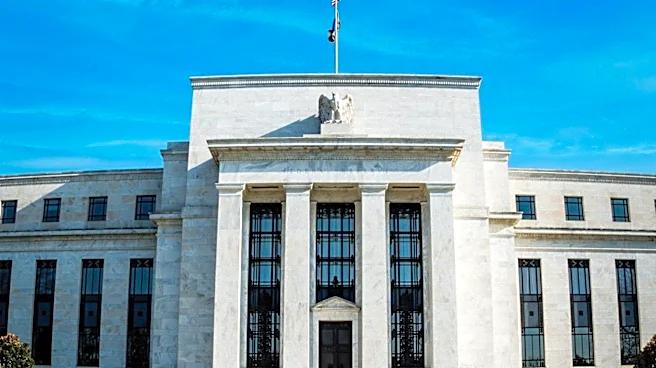
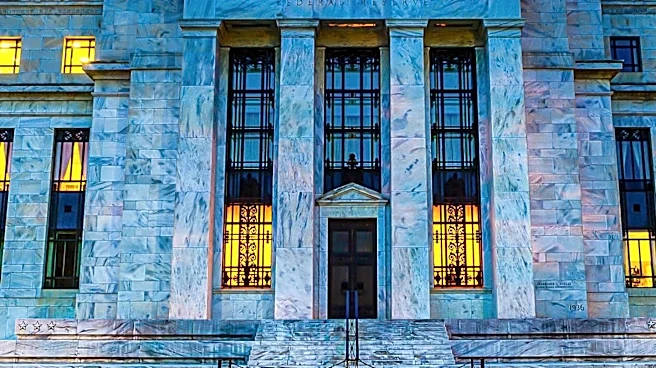
The Federal Reserve may need to implement multiple interest rate hikes to address inflation that remains above its 2% target, according to Neil Dutta from Bloomberg Markets. This assessment aligns with ongoing discussions within the Federal Open Market Committee
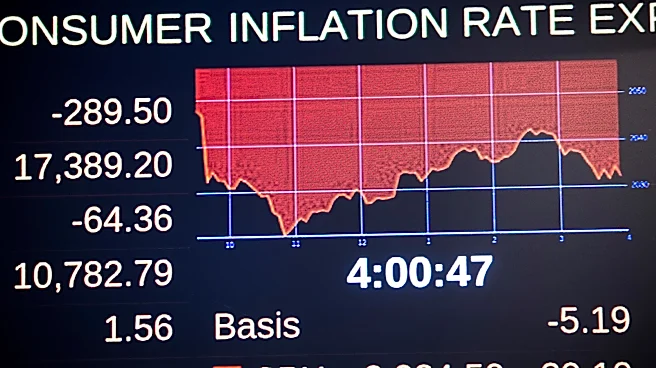
(FOMC) regarding the necessity of a more restrictive monetary policy. The current federal-funds target rate is set between 3.75% and 4.00%, with recent inflation figures exceeding forecasts. Market participants are closely monitoring these developments, with a significant 90.5% probability priced in for at least two rate hikes in 2026. This indicates strong market expectation for further tightening measures by the Fed. Statements from Jerome Powell and other Fed officials, along with upcoming inflation data and FOMC meetings, are anticipated to provide further clarity on future policy actions. Economic indicators such as nonfarm payrolls and wage growth will also influence market sentiment regarding monetary policy.
Why It's Important?
The potential for multiple interest rate hikes by the Federal Reserve carries significant implications for the U.S. economy and its stakeholders. Higher interest rates typically lead to increased borrowing costs for businesses and consumers, which can slow economic growth. Industries reliant on consumer spending, such as retail and housing, could experience a downturn. Businesses may face higher costs for loans and investments, potentially impacting expansion plans and job creation. For consumers, mortgage rates, credit card interest, and other loan costs are likely to rise, reducing disposable income and purchasing power. While these measures aim to curb inflation, they also risk pushing the economy into a recession. Savers, however, might benefit from higher returns on their deposits. The Federal Reserve's actions are crucial for maintaining price stability, but the balancing act between controlling inflation and avoiding an economic contraction is delicate, affecting nearly every sector of the U.S. economy.
What's Next?
Market participants will be closely observing upcoming inflation data, including the Consumer Price Index (CPI) and Producer Price Index (PPI), for any signs of moderation or acceleration. The next Federal Open Market Committee (FOMC) meetings will be critical, as policymakers will deliberate on the necessity and timing of further rate adjustments. Statements from Federal Reserve Chair Jerome Powell and other Fed officials will be scrutinized for indications of their policy stance and forward guidance. Additionally, key economic indicators such as nonfarm payrolls, wage growth, and consumer confidence reports will provide further insights into the health of the economy and potential inflationary pressures. Any significant shifts in these data points or official communications could lead to immediate market reactions, influencing bond yields, stock prices, and the U.S. dollar. Businesses and consumers should prepare for a potentially prolonged period of higher interest rates as the Fed continues its efforts to bring inflation back to its target.
Beyond the Headlines
The Federal Reserve's aggressive stance on inflation, potentially involving multiple rate hikes, highlights a broader shift in global economic policy towards prioritizing price stability over growth in the short term. This approach could lead to a re-evaluation of investment strategies, with a potential move away from growth stocks towards value-oriented assets. The ethical dimension of these policies involves balancing the immediate financial strain on households and businesses against the long-term erosion of purchasing power caused by unchecked inflation. Culturally, a sustained period of higher interest rates could alter consumer behavior, encouraging saving over spending and potentially leading to a more conservative economic mindset. The long-term implications include a potential re-anchoring of inflation expectations, which is crucial for the Fed's credibility, but also the risk of a 'hard landing' for the economy, where efforts to control inflation trigger a significant recession. This period will test the resilience of the U.S. economic system and its ability to adapt to a less accommodative monetary environment.