







What's Happening?
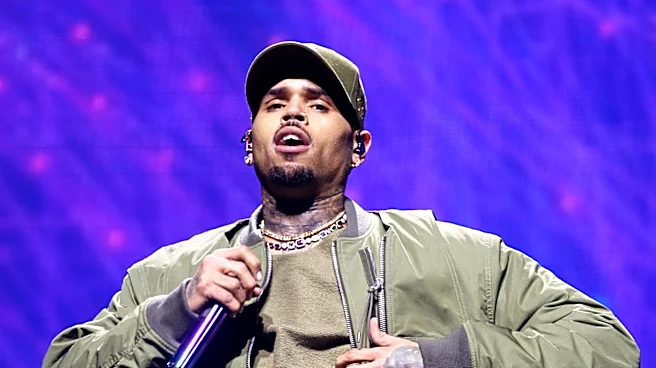
During a recent concert, Chris Brown brought a female fan on stage, leading to an incident that many viewers found uncomfortable and 'inappropriate.' The event, which involved Brown licking the fan's armpits while she was handcuffed to a pole and then
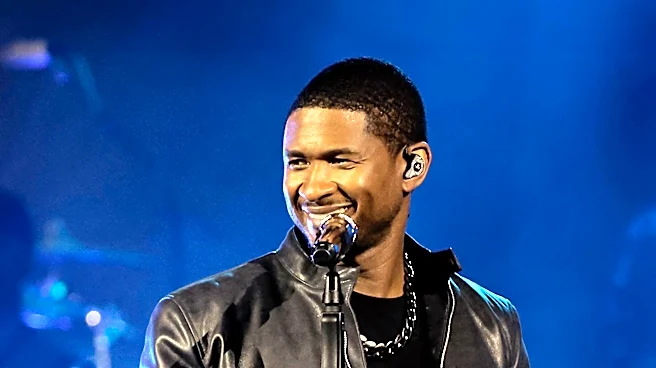
lifting her, has sparked significant backlash on social media platforms like X. Many users expressed discomfort, with some stating that the actions 'went too far' and reflected a 'lowest level of decency.' This incident follows previous controversies involving Brown, including his assault on ex-girlfriend Rihanna. Despite the criticism, Brown continues to draw large audiences to his shows. The incident has also drawn comparisons to similar on-stage moments by other artists, such as Sabrina Carpenter and Usher, who also faced scrutiny for interactions with fans.
Why It's Important?
This incident highlights ongoing discussions about performer-audience boundaries and the responsibilities of artists, particularly those with a history of controversial behavior. The public's reaction, as seen on social media, indicates a growing demand for more respectful and appropriate conduct in live entertainment. For the music industry, such events can impact an artist's public image, potential endorsements, and future collaborations, even if their fan base remains loyal. It also raises questions about the role of social media in shaping public opinion and holding celebrities accountable for their actions. The continued support for artists despite past controversies also reflects a complex dynamic between celebrity culture, fan loyalty, and societal expectations of conduct.
What's Next?
It is likely that discussions surrounding appropriate on-stage behavior and performer-audience interactions will continue within the entertainment industry and among the public. Chris Brown may face continued scrutiny, though the long-term impact on his career remains to be seen, given his consistent ability to attract large audiences despite past controversies. Other artists might become more cautious about their on-stage antics to avoid similar backlash. Social media will continue to be a primary platform for public commentary and criticism regarding such incidents, potentially influencing how artists and their management approach live performances and fan engagement in the future.
Beyond the Headlines
The incident delves into deeper societal conversations about consent, objectification, and the power dynamics inherent in celebrity-fan relationships. While the source mentions that fans are often briefed on potential on-stage interactions, the public reaction suggests a broader concern about the nature of these interactions, especially when they involve suggestive or potentially demeaning acts. It also touches upon the concept of 'cancel culture' and the public's evolving standards for celebrity conduct, particularly in light of past transgressions. The continued success of artists like Brown, despite a history of legal and ethical issues, prompts reflection on how society balances artistic expression with moral accountability and the impact of celebrity influence on cultural norms.