



What's Happening?
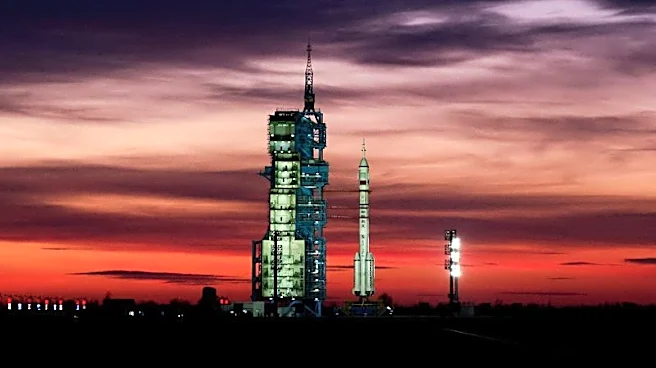
The space travel market is experiencing significant growth, with a projected value of $1.4 billion in 2026 and an anticipated rise to $3.39 billion by 2030. This expansion is driven by increased government funding, a surge in commercial satellite launches,
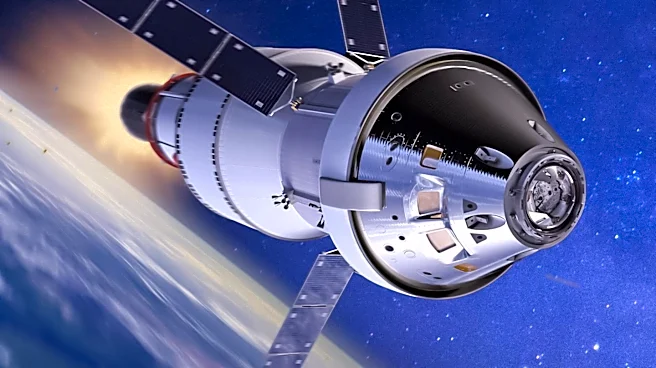
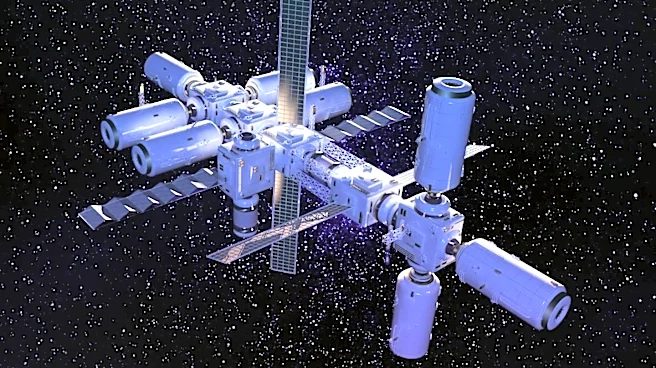
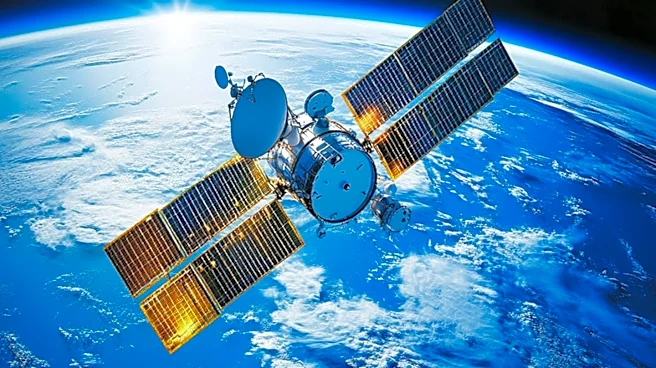
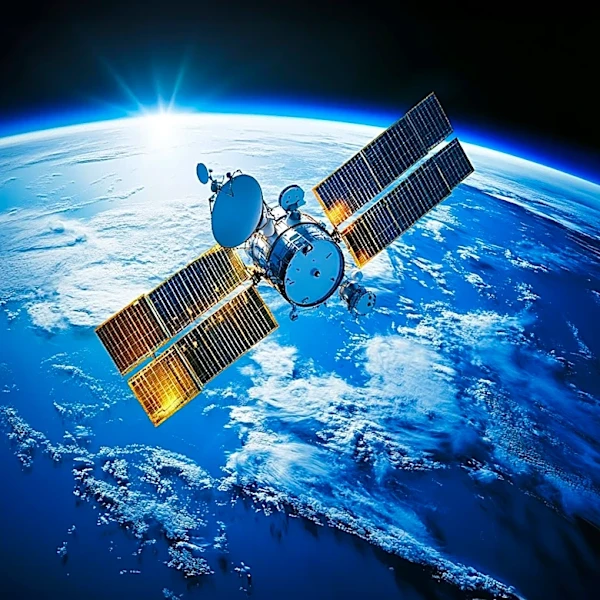
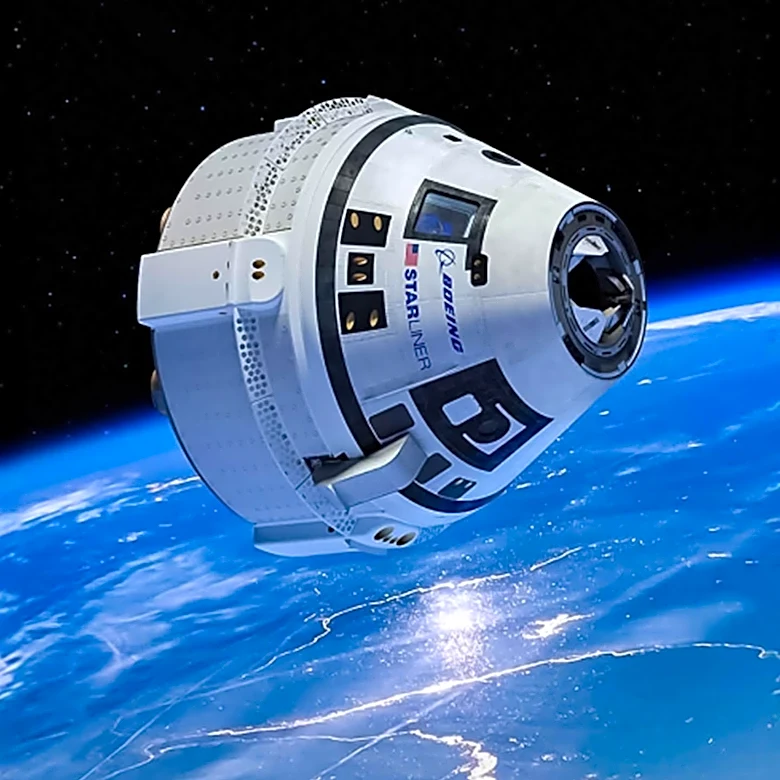
and growing private sector involvement. Key players like Vast Space LLC are actively shaping this landscape, particularly in the development of commercial space stations. The market encompasses various travel types, including suborbital and orbital space travel, lunar and deep space tourism, and point-to-point hypersonic space travel. Important trends include the broadening of commercial space tourism, the creation of reusable spacecraft, and private astronaut missions. For instance, Axiom Space Inc. conducted Axiom Mission 4 (Ax-4) to the International Space Station (ISS) in June 2025, showcasing the expanding scope of private space endeavors with a crew of four conducting scientific research and technology demonstrations.
Why It's Important?
The rapid growth in the space travel market signifies a major shift in how space exploration and utilization are approached, moving from predominantly government-led initiatives to a more commercialized model. This trend has profound implications for U.S. industries, fostering innovation in aerospace, manufacturing, and technology sectors. Companies like Vast Space LLC, by focusing on commercial space stations, are creating new economic opportunities and potentially new markets for in-space research, manufacturing, and tourism. The increased private sector involvement could lead to more cost-effective and frequent access to space, benefiting scientific research, national security, and commercial ventures. The development of commercial space stations, in particular, could provide platforms for advanced scientific experiments, drug development, and even in-space manufacturing, offering a competitive edge to U.S. companies in the global space economy. This commercialization also opens up new avenues for job creation and investment in related industries.
What's Next?
The space travel market is expected to continue its robust growth, driven by increasing demand for space tourism, greater investment in lunar missions, and further development of commercial space stations. The trend of private astronaut missions is anticipated to broaden access to space for individuals beyond government-sponsored astronauts, including researchers and private citizens. Advancements in propulsion technology and the creation of reusable spacecraft will likely further reduce the cost of space travel, making it more accessible. Companies like Vast Space LLC will continue to play a crucial role in developing the infrastructure for these future endeavors, such as commercial space stations. The market is also expected to see continued consolidation and strategic acquisitions, similar to EOS-X Space's acquisition of Space Perspective Inc., as companies seek to expand their capabilities and market presence in the evolving space tourism sector.
Beyond the Headlines
The commercialization of space travel, spearheaded by companies like Vast Space LLC, raises significant ethical and regulatory questions. As private entities gain more access to and control over space, discussions around space traffic management, orbital debris, and the equitable use of space resources will become increasingly critical. The development of commercial space stations could also lead to new legal frameworks for property rights and governance in space. Furthermore, the potential for drug development in space, as mentioned in the broader context of Vast's activities, highlights the scientific and medical implications of sustained human presence beyond Earth. This shift could redefine humanity's relationship with space, transforming it from a frontier of exploration into a domain for commerce, research, and even permanent habitation, necessitating a re-evaluation of international space law and policy.