





What's Happening?
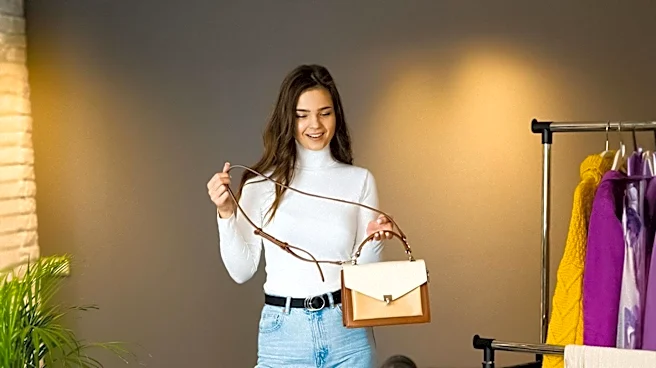
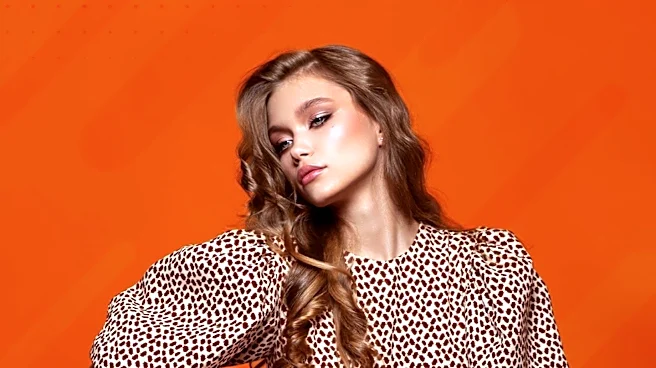
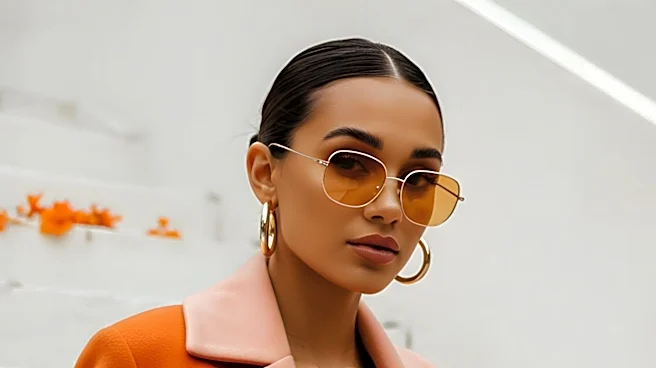
AI image generators are now capable of transforming a single model photograph into a series of consistent, Instagram-ready fashion images. This process involves using the uploaded photo as a sole identity reference and then applying detailed prompts to generate
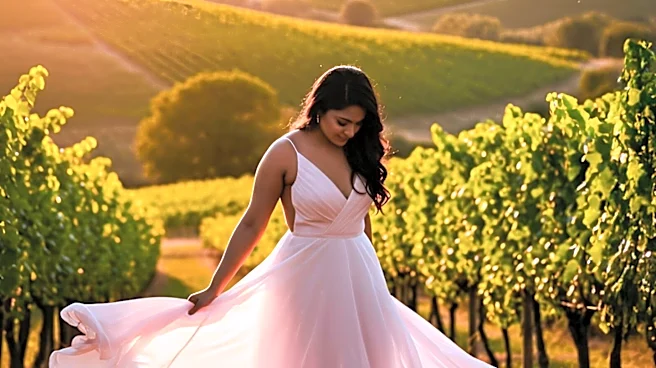
various compositions, outfits, and environments. The technique allows for the creation of diverse content, such as full-body street-style photos and top-down influencer shots, while maintaining the model's recognizable facial features, hairstyle, hair color, and skin tone. The prompts define elements like camera angle, composition, lighting, textures, and realism constraints, ensuring that the generated images align with a specific aesthetic, such as a minimalist European or Scandinavian-inspired street-style mood. This method aims to produce engaging fashion content that feels native to Instagram, moving beyond simple background changes to create distinct visual narratives from one initial image.
Why It's Important?
This development is significant for the fashion and social media industries, particularly for brands and influencers seeking to create high-quality, consistent visual content efficiently. By leveraging AI, businesses can reduce the costs and time associated with traditional photoshoots, which often require multiple setups, locations, and styling changes. The ability to generate diverse compositions from a single reference image allows for rapid content creation, enabling brands to maintain a fresh and engaging online presence. This technology also democratizes content production, making professional-grade visuals more accessible to smaller businesses and individual creators. The emphasis on maintaining a consistent visual identity across different scenarios helps build brand recognition and a cohesive aesthetic, which is crucial for audience engagement and brand loyalty in the competitive digital landscape. This approach can lead to more dynamic and varied social media campaigns without the logistical complexities of traditional photography.
What's Next?
The continued refinement of AI image generation technology will likely lead to even more sophisticated and customizable content creation tools. Future developments may include enhanced realism, greater control over subtle emotional expressions, and the ability to seamlessly integrate various fashion items and accessories into generated images. We can expect to see wider adoption of these AI-powered workflows by fashion brands, e-commerce platforms, and social media marketers looking to streamline their content pipelines. The focus will remain on creating authentic-looking, 'Instagram-native' content that resonates with audiences. Additionally, there may be an increased demand for ethical guidelines and tools to ensure responsible use of AI in generating model images, particularly concerning consent and the prevention of unauthorized identity usage. The evolution of these tools will continue to shape how fashion content is produced and consumed online.
Beyond the Headlines
Beyond the immediate practical applications, this technology raises deeper questions about authenticity and perception in digital media. As AI becomes more adept at creating hyper-realistic images, the line between genuine and generated content blurs, potentially impacting consumer trust and the perceived value of traditional photography. There's an ethical dimension concerning the use of model identities, emphasizing the need for clear authorization and consent when using reference images. This shift could also influence the creative roles within the fashion industry, with a greater emphasis on prompt engineering and AI supervision rather than traditional photography and styling. The long-term impact might include a redefinition of what constitutes 'fashion photography' and a greater reliance on synthetic media for marketing and brand storytelling, prompting discussions about digital ethics and the future of visual communication.