




What's Happening?
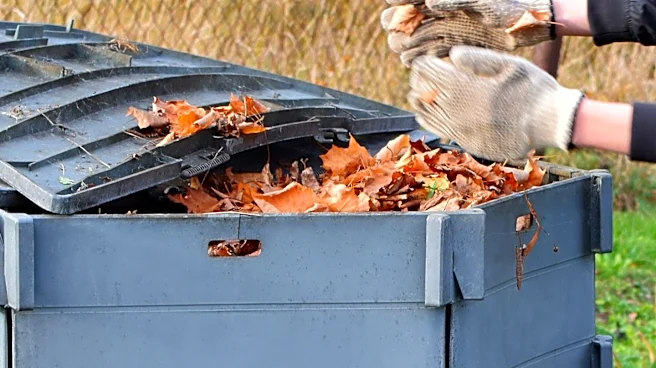
Home composting is becoming increasingly accessible, with simple methods available for beginners to start immediately. The process involves selecting a composting method that suits one's living space, such as an outdoor bin for those with yards, a worm
bin for indoor use, or an electric composter for those who prefer minimal management. The initial steps include choosing a container for collecting scraps and understanding what materials can be composted, such as vegetable and fruit scraps, coffee grounds, and eggshells. The emphasis is on starting with basic knowledge and gradually learning more as needed, rather than being overwhelmed by complex composting techniques.
Why It's Important?
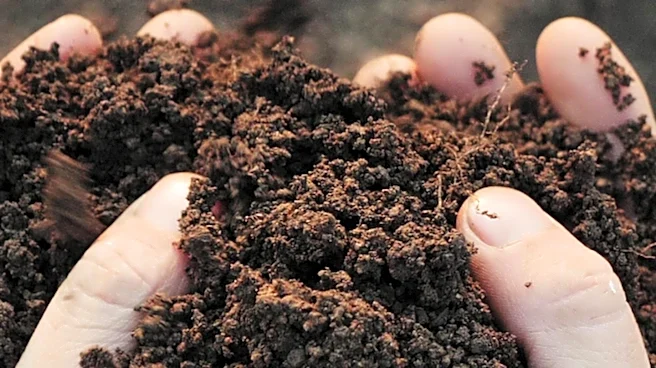
The growing interest in home composting reflects a broader societal shift towards sustainable living practices. By reducing household waste and creating nutrient-rich soil, individuals contribute to environmental conservation and resource efficiency. This practice not only minimizes landfill contributions but also supports local gardening and agriculture. As more people adopt composting, it could lead to significant reductions in waste management costs and environmental impact. The trend also highlights a cultural move towards self-sufficiency and eco-friendly lifestyles, which can influence public policy and community initiatives focused on sustainability.