





What's Happening?
The U.S. economy added 165,000 jobs in October 2026, significantly surpassing economists' expectations of approximately 65,000 new jobs. This strong performance was reported by the Bureau of Labor Statistics. The unemployment rate also saw a slight decrease,
settling at 4.1%. Notably, previous months' job gains were revised upwards, with August's figures increasing by 53,000 to 186,000 and September's by 31,000 to 60,000, adding a combined 84,000 jobs to earlier reports. This brings the three-month average for nonfarm payrolls to 137,000, marking the strongest period since May. Private sector employers were the primary drivers of this growth, adding 159,000 jobs, while government payrolls increased by a modest 6,000. Key sectors contributing to the job growth include professional and business services (70,000 jobs), healthcare (42,000 jobs), transportation and warehousing (25,000 jobs), and manufacturing (19,000 jobs). Manufacturing has shown a consistent recovery, adding 101,000 jobs since December 2025.
Why It's Important?
This robust jobs report signals a resilient U.S. labor market and provides a strong rebuttal to concerns about an economic slowdown. The significant job creation, particularly in diverse sectors like professional services, healthcare, and manufacturing, indicates broad-based economic strength. The upward revisions to previous months' data further reinforce this positive outlook, suggesting the economy had more momentum than initially perceived. For the Trump administration, these figures are seen as validation of policies aimed at fostering private investment and reindustrialization. Labor Secretary Keith Sonderling highlighted that the nation has surpassed 1.25 million new private-sector jobs since President Trump took office, with manufacturing adding over 100,000 jobs in 2026. Treasury Secretary Scott Bessent emphasized a rebalancing of the American economy towards private investment and a revival of the industrial base. This sustained job growth can bolster consumer confidence and spending, which are crucial for continued economic expansion.
What's Next?
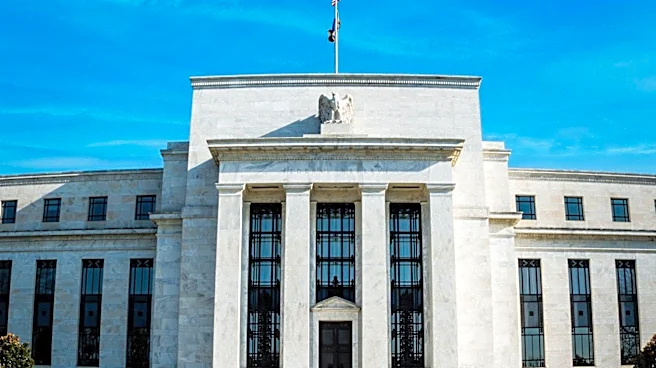
The strong October jobs report is likely to influence upcoming monetary policy decisions by the Federal Reserve. With robust job growth and a low unemployment rate, the case for a potential interest rate increase in December strengthens. Futures traders have already increased the perceived probability of a quarter-point rate hike at the December Federal Open Market Committee meeting. The Federal Reserve, which held its target range at 3.75 to 4 percent in October, will closely monitor inflation data and the November jobs report before its next meeting. Continued job growth without a significant rise in inflation could provide the Fed with flexibility, but persistent strength in the labor market might prompt further tightening to manage potential inflationary pressures. Businesses may continue to expand hiring, especially in sectors showing consistent growth, while job seekers could find a more favorable market with increased opportunities.
Beyond the Headlines
The October jobs report also sheds light on the evolving nature of the U.S. labor market beyond headline numbers. While overall employment is strong, the report noted an increase in the number of people working part-time for economic reasons, rising by 339,000 to 4.8 million. This indicates that a segment of the workforce desires full-time employment but cannot secure it. Additionally, long-term unemployment remained largely unchanged at approximately 2 million, representing 27.6% of all unemployed individuals, a share not seen since December 2021. These figures suggest that while the economy is creating jobs, challenges persist for certain segments of the labor force. The report also highlighted that average hourly earnings increased by 3.1% over the past year, which, when compared to consumer price increases, indicates that wages are still struggling to keep pace with inflation for many workers. This disparity could impact household purchasing power and overall economic well-being despite strong employment figures.