





What's Happening?
Two brothers, Brett William Bentley and Robert Allen Bentley, have been sentenced to restitution and community service after pleading guilty to deliberately damaging roofs in North Carolina. This action followed a sting operation orchestrated by North Carolina Farm
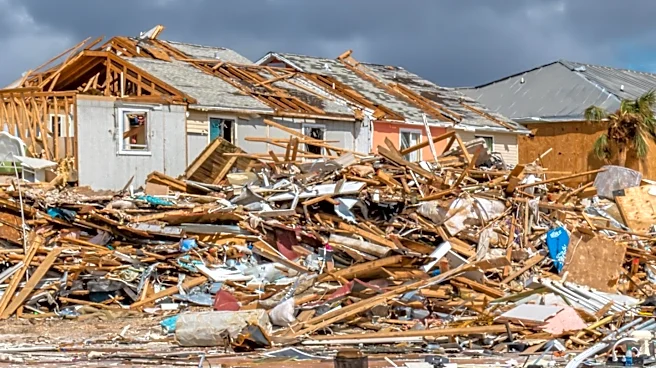
Bureau Insurance and state regulators. Brett William Bentley, 28, pleaded guilty to a misdemeanor charge and was ordered to pay approximately $27,678 in restitution to Farm Bureau. His brother, Robert Allen Bentley, 36, pleaded guilty to a felony charge and received a sentence of 24 months’ probation, 50 hours of community service, and a $50 fine. Robert Bentley is also prohibited from working in the roofing business during his two-year probation. The brothers, who shared an address in Charlotte and worked for A&M Premier Roofing & Construction, were caught after Farm Bureau initiated the sting due to an increase in 'door knocker' roofing companies telling homeowners they could get new roofs with little to no out-of-pocket expense, often by damaging shingles to simulate wind or hail damage for insurance claims.
Why It's Important?
This case highlights a significant issue of insurance fraud within the roofing industry, which has broad implications for homeowners, insurance companies, and the integrity of the construction sector. Such fraudulent activities lead to increased insurance premiums for all policyholders, as insurers must cover the costs of fabricated damages. For homeowners, it creates a risk of engaging with unscrupulous contractors who may perform substandard work or involve them unknowingly in illegal schemes. The successful sting operation by North Carolina Farm Bureau Insurance and state regulators demonstrates a proactive approach to combating fraud, serving as a deterrent to other potential offenders. It also underscores the importance of due diligence for consumers when selecting contractors and the need for robust oversight within industries prone to such scams. The incident reinforces the financial and legal consequences for individuals and companies involved in deceptive practices, aiming to protect consumers and maintain fair market practices.
What's Next?
The sentencing of the Bentley brothers is expected to send a strong message to other contractors considering similar fraudulent activities, potentially leading to a decrease in 'door knocker' scams in North Carolina. Insurance companies and state regulatory bodies may continue to collaborate on sting operations and investigations to identify and prosecute fraudulent contractors. There could be an increased focus on public awareness campaigns to educate homeowners about common roofing scams and how to protect themselves, including verifying contractor credentials and understanding their insurance policies. The roofing industry itself might face pressure to implement stricter ethical guidelines and self-regulation to restore public trust. Furthermore, the case could prompt legislative discussions on enhancing penalties for insurance fraud and providing more resources for investigative bodies to combat such crimes effectively, aiming to safeguard both consumers and the insurance market.
Beyond the Headlines
Beyond the immediate legal and financial ramifications, this case illuminates deeper ethical and societal issues. The prevalence of 'door knocker' scams reflects a broader problem of opportunistic fraud that preys on homeowners' vulnerabilities and their desire to minimize out-of-pocket expenses. This type of fraud erodes trust in legitimate businesses and can create a climate of suspicion within communities. The involvement of a major insurer like Farm Bureau in a sting operation also highlights the significant financial burden that fraud places on the insurance industry, ultimately impacting all policyholders through higher premiums. Ethically, the actions of the Bentley brothers represent a betrayal of professional conduct and a disregard for the financial well-being of both homeowners and insurance companies. This incident underscores the ongoing challenge of maintaining ethical standards in competitive industries and the critical role of regulatory oversight and law enforcement in upholding market integrity and consumer protection.