







What's Happening?
A basic fitness routine for muscle gain focuses on three full-body resistance workouts per week, incorporating compound exercises such as squats, presses, rows, and hip hinges. The recommended approach involves 2 to 3 sets of 6 to 15 repetitions, aiming
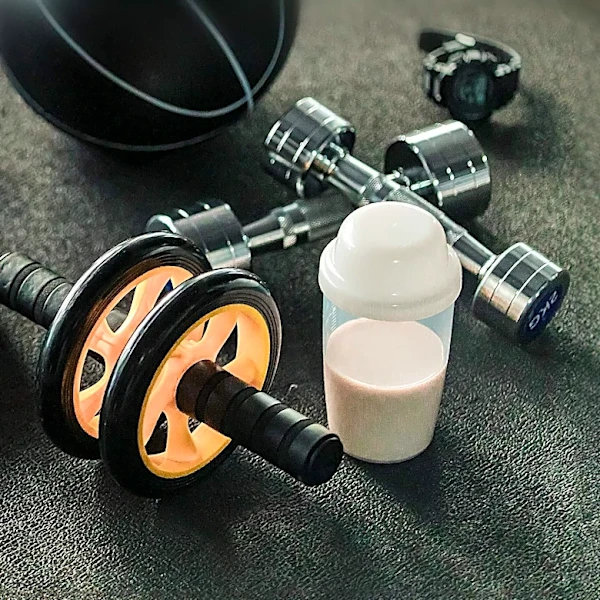
for approximately four weekly sets per muscle group. The core principle is progressive overload, which means gradually increasing the difficulty by adding reps or a small amount of weight only when the current top sets can be performed with clean form. Beginners are advised to start with a weight that makes the last two reps challenging without compromising technique. This routine can be effectively performed with minimal equipment, such as dumbbells, a bench, or even just body weight, making it accessible without a gym membership.
Why It's Important?
This fitness approach is significant for individuals seeking to build muscle efficiently and sustainably, particularly for beginners or those with limited access to gym facilities. By emphasizing compound exercises, the routine maximizes muscle engagement and promotes overall strength development, which is crucial for functional fitness and injury prevention. The focus on progressive overload ensures continuous adaptation and growth, preventing plateaus that often discourage new exercisers. The accessibility of this routine, requiring minimal equipment, democratizes muscle building, making it achievable for a broader population. This can lead to improved public health outcomes by encouraging more people to engage in regular strength training, which is vital for bone density, metabolic health, and maintaining independence as one ages.
What's Next?
Individuals adopting this basic fitness routine should consistently track their progress, noting sets, reps, and weights to identify when to increase the load. The next step involves gradually adding reps (e.g., from 8 to 10 to 12) before increasing weight, typically by small increments of 5 lbs. Progression should only occur after two consecutive sessions with clean top sets. If a plateau is reached, revisiting form or trying slightly harder exercise variations is recommended before investing in new equipment. Additionally, incorporating adequate protein intake and prioritizing rest days are crucial for muscle recovery and growth, as muscle is built between sessions, not during them. Consulting a dietitian for macro adjustments may be beneficial for those with prolonged periods of inactivity.
Beyond the Headlines
Beyond the immediate physical benefits, this structured approach to fitness fosters discipline, self-efficacy, and a deeper understanding of one's body mechanics. The emphasis on 'clean form' over heavy lifting promotes safer training practices, reducing the risk of injury and encouraging long-term adherence to exercise. This philosophy can translate into other areas of life, promoting a mindset of gradual improvement and consistency. Furthermore, the routine's adaptability to home environments challenges the notion that extensive gym memberships or specialized equipment are prerequisites for muscle gain, potentially shifting cultural perceptions of fitness towards more accessible and sustainable practices. It also highlights the importance of listening to one's body and prioritizing recovery, which are often overlooked aspects of a holistic fitness journey.