




What's Happening?
A growing number of individuals are developing a deep interest in professional figure skating, transforming from casual observers to dedicated fans. This surge in fandom is exemplified by a personal account of someone who, after years of detached participation
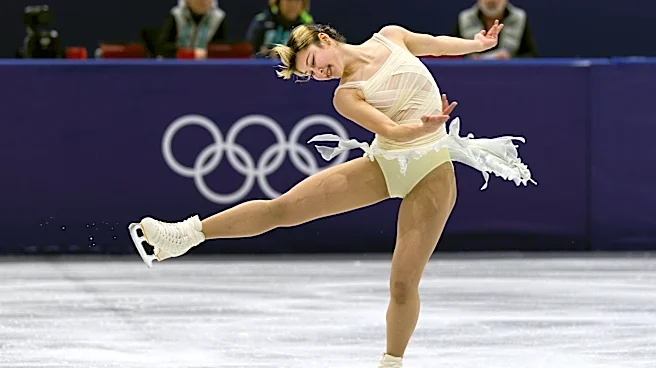
in various sports, became a 'superfan' following the Milano Cortina Olympics in February and the World Championships in Prague the subsequent month. This newfound passion has led to activities such as waking up early to watch international competitions, forming friendships through shared enthusiasm, and attending live events like Skate America. The individual, who previously had little emotional investment in sports, now finds themselves deeply moved by the artistry of figure skating and actively follows the performances of athletes like three-time world champion Ilia Malinin and 2026 Olympic bronze medalist Ami Nakai.
Why It's Important?
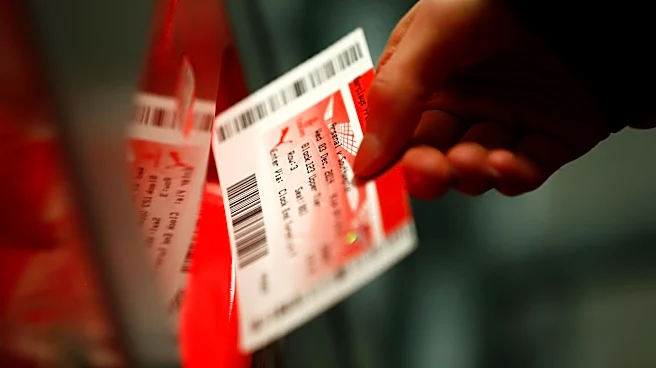
The increasing engagement with figure skating highlights a broader trend of individuals finding personal connection and emotional investment in sports, even those they previously viewed with indifference. This shift can lead to significant cultural and economic impacts. For the sport itself, a growing fanbase translates to increased viewership, higher demand for event tickets, and potentially more sponsorship opportunities, bolstering its financial stability and global reach. For individuals, engaging with sports as a hobby can foster community, provide emotional outlets, and offer a sense of excitement and shared experience. This phenomenon also underscores the power of major events like the Olympics and World Championships to captivate new audiences and reignite interest in sports that might otherwise have a niche following, contributing to the diverse landscape of American leisure and entertainment.
What's Next?
The continued growth of figure skating's fanbase could lead to several developments. Event organizers may see increased attendance and demand for tickets, potentially prompting more frequent or larger-scale competitions in the U.S. Media outlets might expand their coverage of figure skating, offering more broadcast hours and in-depth analysis to cater to the growing audience. Furthermore, the personal stories of newfound fans could inspire others to explore sports they previously overlooked, potentially diversifying the viewership across various athletic disciplines. This trend suggests a positive outlook for figure skating, with potential for enhanced visibility, greater athlete recognition, and a more vibrant community of supporters in the coming years.
Beyond the Headlines
This surge in figure skating fandom reflects a deeper human need for connection, excitement, and aesthetic appreciation. Beyond the competitive aspect, figure skating is often viewed as an art form, combining athleticism with grace and storytelling. The emotional investment described by new fans, including crying at performances and forming friendships through mutual fandom, points to the profound psychological and social benefits that sports can offer. In an increasingly digital and sometimes isolating world, shared passions like sports fandom provide opportunities for communal experience and emotional release. This trend also challenges the notion that hobbies must always be 'productive,' suggesting that the intrinsic joy and emotional fulfillment derived from engaging with sports are valuable in themselves, contributing to overall well-being and cultural enrichment.