





What's Happening?
A new home design trend is emerging, centered around the creation of 'antistimulation rooms' or dedicated quiet corners within homes. These spaces are designed to reduce sensory overload and promote relaxation, offering an escape from the constant digital
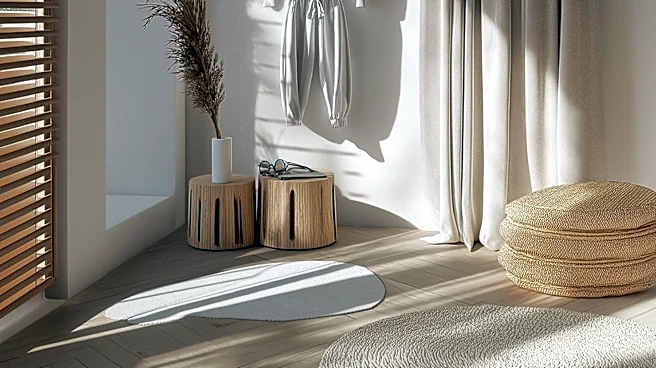
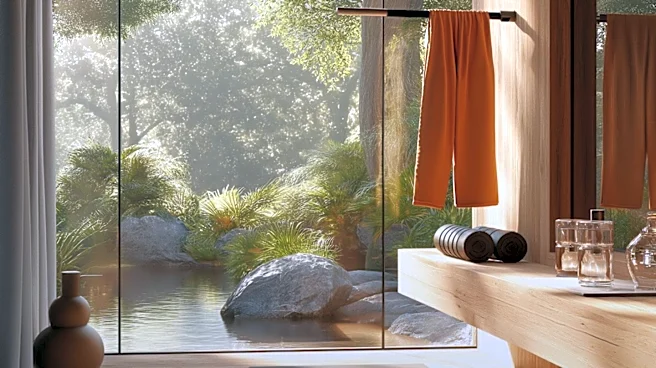
connectivity and external stimuli of modern life. Interior designers Lynn Berney of LTA Interiors and Therese Kelleher of Villa Hygge highlight that these spaces go beyond simply removing smart devices; they aim to minimize all stimulating friction. Key elements include warm, dimmable lighting from sources like table lamps and sconces, rather than harsh overhead fixtures. The color palettes are typically soothing, featuring warm neutrals, muted earth tones, and subtle tonal variations. The emphasis is on creating a cocoon-like environment with comfortable, varied seating options and the incorporation of soft, tactile materials like wool, linen, and natural wood to absorb sound and add warmth. The trend reflects a broader societal shift towards wellness and a desire for restorative home environments.
Why It's Important?
This trend signifies a growing recognition of the impact of constant stimulation on mental well-being and the need for dedicated spaces for rest and disconnection. In an increasingly digital and noisy world, the concept of an 'antistimulation room' addresses a widespread desire for tranquility and a reduction in cognitive load. For individuals, these spaces can improve sleep quality, reduce stress, and foster a greater sense of calm and mindfulness. For the home design and furniture industries, this trend presents new opportunities for product development and marketing, focusing on items that contribute to a low-stimulation environment, such as specialized lighting, sound-absorbing textiles, and comfort-focused furniture. It also underscores a shift in consumer priorities, where the home is increasingly viewed as a sanctuary for mental and emotional rejuvenation, rather than just a functional living space.
What's Next?
As awareness of the benefits of reduced stimulation grows, it is likely that the 'antistimulation room' concept will become more mainstream in home design. We can expect to see more interior designers incorporating these principles into their projects and a wider range of products specifically marketed for creating such environments. Furniture manufacturers may develop more modular and adaptable pieces suitable for quiet corners, while lighting companies could innovate with more sophisticated dimming and color temperature controls. Furthermore, the trend may influence architectural design, with new homes potentially incorporating dedicated 'unplugged' zones or quiet retreats. Educational content around creating these spaces, from DIY guides to professional design services, is also expected to increase, empowering more individuals to transform parts of their homes into personal havens of calm.
Beyond the Headlines
The rise of 'antistimulation rooms' points to a deeper cultural shift away from constant connectivity and towards intentional disconnection. It highlights a societal yearning for balance in an era dominated by digital demands and information overload. This trend could have long-term implications for how we perceive and utilize our living spaces, moving beyond purely aesthetic or functional considerations to prioritize psychological well-being. Ethically, it raises questions about the responsibility of technology companies to design products that allow for easier disengagement, and the role of urban planning in creating quieter, less stimulating environments. Culturally, it may foster a greater appreciation for analog activities, quiet contemplation, and the simple act of 'being' rather than 'doing,' potentially influencing broader lifestyle choices and consumption patterns.