










What's Happening?
The design principles of hospitality and senior living are increasingly overlapping, as both sectors aim to create environments that are not only functional but also emotionally engaging. This shift is driven by a growing expectation for spaces that offer
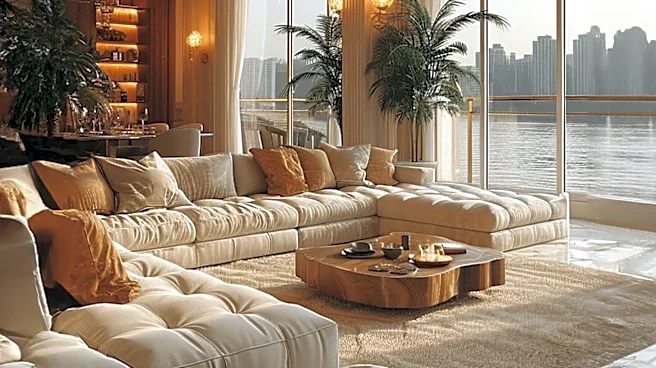
wellness, comfort, and social interaction. The integration of natural light, walkable outdoor environments, and acoustic comfort are becoming standard in both industries. Additionally, spaces such as lobbies, dining areas, and outdoor courtyards are being reimagined as social hubs rather than mere functional areas. This trend reflects a broader movement towards designing spaces that prioritize user experience over mere occupancy.
Why It's Important?
The convergence of hospitality and senior living design signifies a broader trend in architecture and urban planning where the focus is shifting from purely functional spaces to those that enhance the quality of life. This approach can lead to more sustainable and user-friendly environments, potentially increasing the appeal and value of properties in these sectors. For the senior living industry, adopting hospitality design elements can improve resident satisfaction and well-being, which is crucial as the population ages. In hospitality, creating emotionally engaging spaces can enhance guest experiences, leading to higher customer retention and brand loyalty.
What's Next?
As the lines between hospitality and senior living continue to blur, we can expect further innovation in design that caters to the evolving needs of users. This may include more personalized and adaptable spaces that can accommodate a variety of activities and preferences. Stakeholders in both industries might invest in research and development to explore new materials and technologies that enhance user experience. Additionally, there could be increased collaboration between architects, designers, and developers to create integrated communities that offer a seamless blend of living, working, and leisure spaces.
Beyond the Headlines
The blending of hospitality and senior living design raises important questions about the future of urban development and the role of architecture in societal well-being. As these industries adopt more holistic design approaches, there may be a shift towards more inclusive and accessible environments that cater to diverse populations. This could also influence public policy and funding priorities, as governments and organizations recognize the benefits of investing in environments that promote health and social interaction.