





What's Happening?
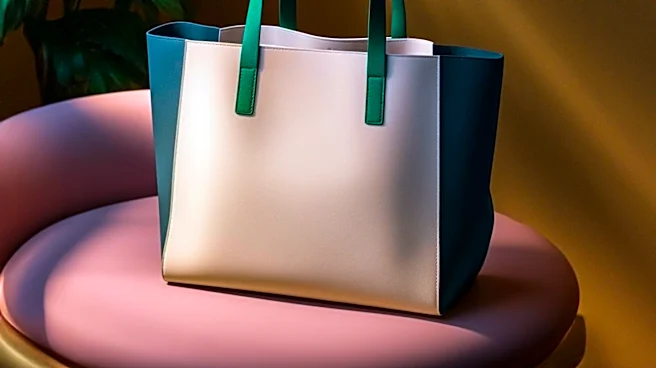
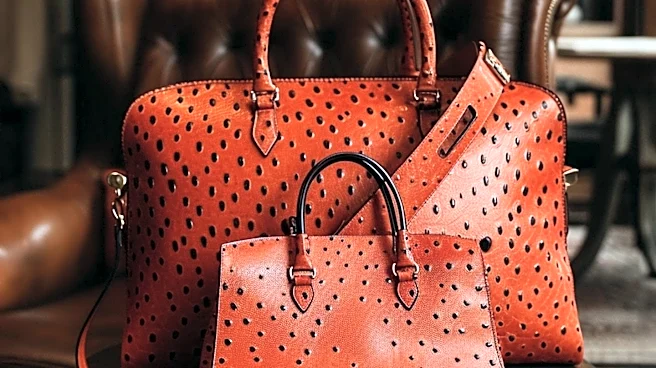
Hermès' iconic Birkin and Kelly bags are demonstrating exceptional resilience in the ultra-luxury resale market, with an average value gain of 92 percent over the past decade, according to data from resale platform Rebag. Some vintage bags are even reselling
for double their original retail price. This phenomenon is attributed to Hermès' deliberate strategy of restricted distribution, which creates scarcity and drives premium pricing. Unlike most fashion items that depreciate upon leaving the store, these handbags behave more like hard assets, with their value appreciating significantly over time. The resale market for these bags is substantial, with over a million Birkin bags reportedly circulating on the secondary market as of 2019, supporting a network of dedicated resale boutiques and authenticators. This robust secondary market exists because Hermès tightly controls production volume, ensuring demand consistently outpaces supply, and rarely discounts its products.
Why It's Important?
The remarkable appreciation in value of Hermès Birkin and Kelly bags highlights a significant shift in the perception of ultra-luxury goods, positioning them as viable investment assets rather than mere fashion purchases. This trend challenges traditional investment benchmarks, as the average 92 percent value gain over ten years for these bags surpasses many conventional investment returns. For consumers, this means that purchasing certain luxury items can be a strategic financial decision, offering potential returns that rival or exceed those from more conventional investments. For the luxury industry, it underscores the power of scarcity and controlled distribution in maintaining brand exclusivity and driving market value. This model could influence other luxury brands to adopt similar strategies to enhance the long-term value and investment appeal of their products, potentially reshaping the dynamics of the high-end consumer market and investment portfolios.
What's Next?
The continued appreciation of Hermès Birkin and Kelly bags in the resale market suggests a sustained demand for these exclusive items. This trend is likely to encourage more individuals to view ultra-luxury handbags as alternative investments, potentially increasing competition in the secondary market and further driving up prices for rare and pristine examples. Hermès is expected to maintain its strategy of restricted distribution and controlled production, as this scarcity is a key factor in the bags' appreciating value. Other luxury brands may observe this success and explore similar strategies to cultivate exclusivity and long-term value for their own products. The growth of the secondary market will also likely lead to further development in authentication services and specialized resale platforms, catering to the increasing number of buyers and sellers in this unique asset class.
Beyond the Headlines
The phenomenon of Hermès bags appreciating in value beyond traditional investments delves into deeper economic and cultural implications. It highlights the psychological power of exclusivity and brand mystique, where a carefully cultivated image of scarcity can transform a consumer product into a tangible asset. This trend also reflects a broader societal shift towards valuing unique, high-quality, and enduring luxury items, moving away from fast fashion's disposability. Ethically, it raises questions about accessibility and the democratization of luxury, as these items become increasingly out of reach for the average consumer, further solidifying their status as symbols of extreme wealth. Legally, the burgeoning secondary market necessitates robust authentication processes to combat counterfeiting, ensuring consumer trust and protecting brand integrity. Culturally, these bags have transcended their function to become cultural icons, embodying status, aspiration, and a form of wearable art that retains and even gains value over time.