






What's Happening?
The Las Vegas area is surrounded by mountain ranges that provide numerous opportunities for hiking, climbing, and mountain biking, offering a variety of scenic views. Six notable hikes near Las Vegas have been highlighted for their unique characteristics
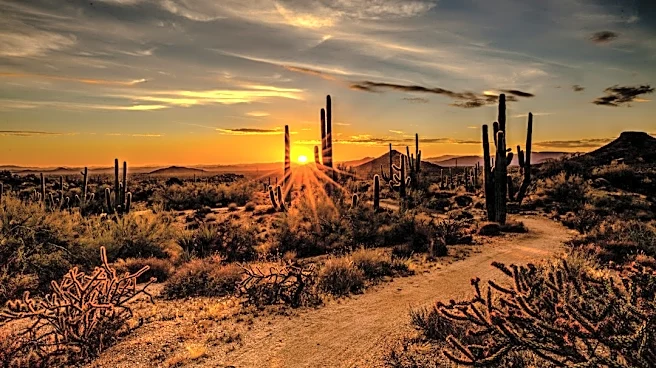
and panoramic vistas. These include Gass Peak in the Las Vegas Range, Frenchman Mountain in the east valley, Turtlehead Peak in Red Rock Canyon, Lone Mountain in the northwest valley, Cathedral Rock in Mount Charleston, and Black Mountain in the south valley. Each trail varies in difficulty, elevation gain, and optimal hiking seasons. For instance, Gass Peak is a challenging 6.4-mile hike with significant elevation gain, best undertaken in late fall or early spring, rewarding hikers with extensive views of the valley and surrounding ranges. Frenchman Mountain, a 4.2-mile tough hike, offers views of the Mojave sunset over Red Rock Canyon and the city lights at night. Lone Mountain is considered beginner-friendly, with a 1.2-mile ascent to a peak popular for fireworks holidays, providing panoramic city views. Cathedral Rock, while not the highest peak, offers popular and accessible trails with views of Kyle Canyon, especially vibrant during fall foliage. Black Mountain, located in the McCullough Range, provides a fairly easy 7.1-mile hike along a ridgeline with views of Joshua trees and desert cacti.
Why It's Important?
The availability of diverse hiking trails near Las Vegas is important for several reasons, impacting local tourism, public health, and environmental appreciation. These trails offer residents and visitors accessible outdoor recreational activities, promoting physical well-being and providing an escape from urban environments. The variety in difficulty levels ensures that both novice and experienced hikers can find suitable options, broadening the appeal of outdoor recreation. From a tourism perspective, these scenic hikes add another dimension to the Las Vegas experience, attracting visitors interested in nature and adventure beyond the city's traditional attractions. This can contribute to local economies through increased spending on gear, accommodations, and related services. Furthermore, highlighting these natural landscapes fosters a greater appreciation for the unique desert ecosystem of the Mojave Desert, encouraging conservation efforts and responsible outdoor practices. The mention of specific features like wildflowers, desert tortoises, and gila monsters underscores the ecological value of these areas, promoting awareness and protection of local flora and fauna.
What's Next?
As awareness of these hiking opportunities grows, it is likely that more individuals will seek to explore the natural beauty surrounding Las Vegas. This could lead to increased visitor numbers on these trails, necessitating continued efforts in trail maintenance and management to preserve their condition and ensure hiker safety. Local authorities and park services may need to implement or enhance measures for trail upkeep, waste management, and potentially expand parking facilities at popular trailheads. Educational initiatives could also be developed to inform hikers about responsible outdoor ethics, such as packing out trash, staying on marked trails, and respecting wildlife. Additionally, as the popularity of these trails increases, there might be a greater demand for guided tours or organized hiking events, further boosting local tourism and outdoor recreation businesses. Continued monitoring of environmental impacts will be crucial to balance recreational use with conservation goals, ensuring these natural assets remain accessible and pristine for future generations.
Beyond the Headlines
Beyond the immediate recreational and economic benefits, the emphasis on hiking in the Las Vegas area reflects a broader societal trend towards valuing outdoor experiences and connecting with nature. In an increasingly urbanized world, access to natural landscapes for physical and mental rejuvenation is becoming more critical. These trails offer a vital counterpoint to the fast-paced, indoor-centric lifestyle often associated with Las Vegas, providing opportunities for solitude, reflection, and a deeper appreciation of the natural environment. The challenges presented by some of the tougher hikes, such as Frenchman Mountain and Gass Peak, also speak to the human desire for achievement and overcoming physical obstacles, fostering resilience and self-reliance. The mention of specific geological features and wildlife highlights the unique biodiversity of the Mojave Desert, encouraging a sense of stewardship and environmental responsibility among hikers. This engagement with nature can lead to a more informed and active citizenry regarding conservation issues, potentially influencing local policy decisions related to land use and environmental protection.