


What's Happening?
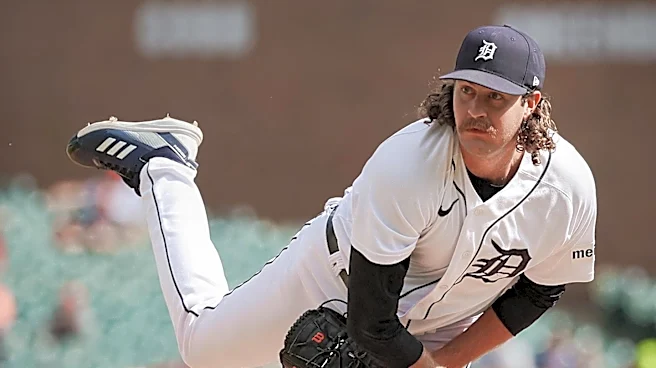
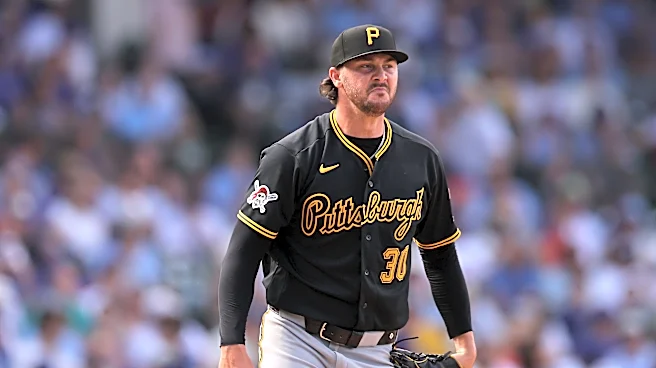
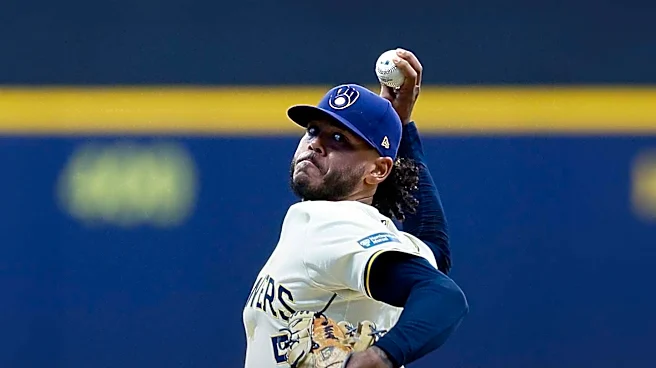
The Milwaukee Brewers utilized 32 pitchers during the 2026 regular season, a consequence of numerous injuries, roster adjustments, and inconsistent performances. While Jacob Misiorowski emerged as a dominant force with a 1.80 ERA and a .157 opponents'
batting average, the team's pitching depth was severely tested. Key pitchers like Kyle Harrison experienced elbow and arm issues after a strong start, and others struggled to meet expectations. Robert Gasser showed significant improvement in the latter half of the season, and Quinn Priester also delivered a strong performance. The extensive rotation highlighted both the potential of younger arms and the fragility of the team's overall pitching health, raising questions for the 2027 season.
Why It's Important?
The Brewers' reliance on such a large number of pitchers in 2026 underscores a significant challenge for U.S. professional baseball teams: managing player health and maintaining pitching depth throughout a demanding season. The performance of Jacob Misiorowski provides a strong foundation, but the widespread injuries to other key players, such as Kyle Harrison, indicate a potential vulnerability that could impact the team's competitiveness. For the Brewers, building a reliable pitching staff for 2027 will be crucial for their success in Major League Baseball, directly affecting their playoff aspirations and financial performance through ticket sales and merchandise. The situation also highlights the ongoing strategic decisions teams must make regarding player development, injury prevention, and roster construction in a highly competitive sports league.
What's Next?
Looking ahead to the 2027 season, the Milwaukee Brewers will need to address the fragility of their pitching depth. The team's management will likely focus on ensuring the health of their existing pitchers and evaluating younger talent to transition promise into consistent performance. Decisions regarding free agency and potential trades will be critical in shoring up both the starting rotation and the bullpen. The Brewers will aim to build on the success of pitchers like Misiorowski and Gasser while mitigating the risk of further injuries. The upcoming offseason will be vital for the team to strategize and construct a more resilient pitching staff capable of sustaining a full season's demands.
Beyond the Headlines
The Brewers' 2026 pitching challenges reflect a broader trend in professional sports where player welfare and injury management are becoming increasingly central to team strategy. The high turnover of pitchers suggests a need for advanced sports science and medical interventions to prevent injuries and optimize player performance. This situation also has implications for player contracts and arbitration, as teams weigh the long-term value of players against their injury history. The reliance on a large pool of pitchers could also influence scouting and minor league development, emphasizing the need for a robust pipeline of talent. Ultimately, the Brewers' experience highlights the complex interplay between athletic performance, medical science, and strategic management in modern professional baseball.