







What's Happening?
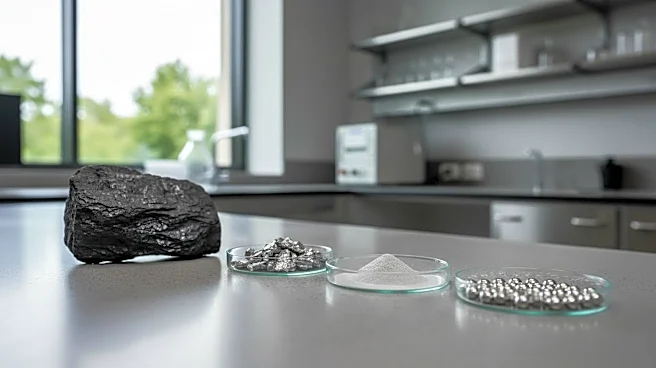
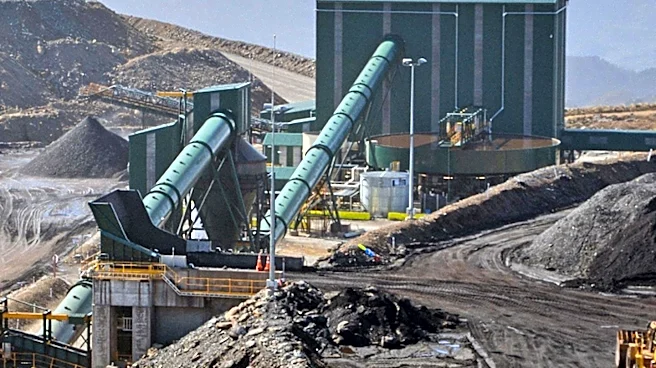
The U.S. Department of Energy (DOE) has announced a $75 million allocation to five projects aimed at extracting rare earth elements and other critical materials from coal and coal-based feedstocks. This funding supports pilot-scale facilities under the Mines
& Metals Capacity Expansion initiative, which aims to produce market-ready critical materials such as germanium, gallium, and aluminum. The selected projects are located in North Dakota, New York, Pennsylvania, Indiana, and Missouri. This initiative is part of a broader effort to strengthen the U.S. coal sector and reduce reliance on foreign sources for critical minerals.
Why It's Important?
The DOE's investment in extracting rare earth elements from coal is significant for enhancing domestic production of critical materials essential for various industries, including electronics, defense, and renewable energy. By leveraging coal-based feedstocks, the U.S. aims to reduce its dependency on imports, particularly from countries like China, which dominate the global supply of rare earth elements. This initiative also aligns with efforts to revitalize the coal industry by finding new uses for coal resources, potentially creating jobs and boosting local economies. The development of these technologies could position the U.S. as a leader in sustainable mining and critical material production.
What's Next?
The DOE plans to announce additional selections under the Mines & Metals Pilots—All Industries category, further expanding the scope of this initiative. The success of these pilot projects could lead to commercial-scale operations, enhancing the U.S.'s ability to produce critical materials domestically. Continued government support and investment will be crucial for advancing these technologies and achieving long-term energy and resource security goals.