







What's Happening?
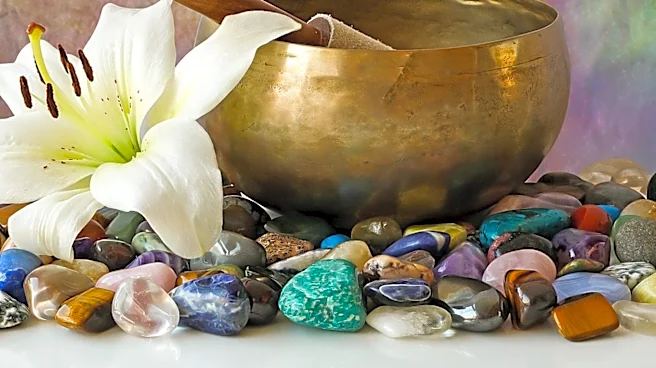
Sound baths, relaxation sessions utilizing instruments like Tibetan singing bowls and gongs, are gaining traction as a wellness practice. While in-person sessions can be costly, similar recordings are widely available online, often for free, making this
form of relaxation more accessible. Practitioners such as Yanni from Faros Spirit emphasize the intimate nature of these sessions, using sound to facilitate rest and nervous system regulation. The British Academy of Sound Therapy, founded by Lyz Cooper, advises individuals to choose online materials from experienced practitioners or reputable organizations due to varying quality. This trend is also being integrated into luxury wellness offerings, exemplified by facilities like the Brenners Park Hotel in Germany, which combines sound baths with other therapeutic treatments. The core idea is to provide a means for individuals to achieve tranquility and well-being through auditory experiences.
Why It's Important?
The increasing availability of sound baths, particularly through free online resources, signifies a broader shift towards accessible wellness practices in the U.S. This trend allows a wider demographic to engage in stress reduction and nervous system regulation without significant financial investment, potentially improving public mental health outcomes. For the wellness industry, it presents a dual challenge and opportunity: while free online content might reduce demand for expensive in-person sessions, it also raises awareness and could drive interest in premium, expertly guided experiences. Businesses offering sound baths, like Faros Spirit, can differentiate themselves by emphasizing personalized and intimate sessions, catering to those seeking a deeper, more tailored experience. The emphasis on quality content from experienced practitioners also highlights a growing consumer discernment in the digital wellness space, pushing providers to maintain high standards.
What's Next?
The proliferation of online sound bath resources is likely to continue, with a potential increase in demand for curated and high-quality digital content. Wellness platforms and practitioners may focus on developing subscription models or premium content to monetize this trend, while also ensuring accessibility through free introductory offerings. There could be a greater emphasis on certification and accreditation for sound bath practitioners to ensure the quality and efficacy of sessions, both online and in-person. Additionally, the integration of sound therapy into mainstream healthcare and corporate wellness programs might expand as its benefits for stress reduction and mental well-being become more widely recognized and scientifically validated. This could lead to new partnerships and innovative delivery methods for sound baths.
Beyond the Headlines
The rise of sound baths reflects a deeper societal need for accessible and effective methods of stress management and mental well-being in an increasingly fast-paced world. This trend taps into ancient practices of sound healing, reinterpreting them for modern consumption. It also highlights the growing influence of digital platforms in democratizing wellness, allowing individuals to explore alternative therapies from the comfort of their homes. The emphasis on nervous system regulation points to a broader understanding of the physiological impacts of stress and the importance of holistic approaches to health. Furthermore, the distinction between free online content and paid in-person sessions raises questions about the value placed on expertise and personalized care in the digital age, and how consumers balance cost-effectiveness with perceived quality and efficacy in their wellness journeys.