





What's Happening?
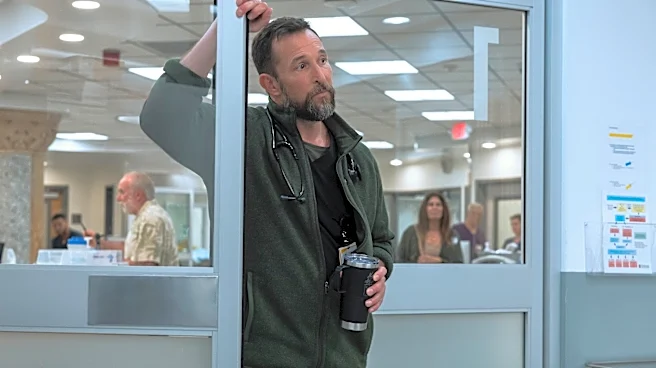
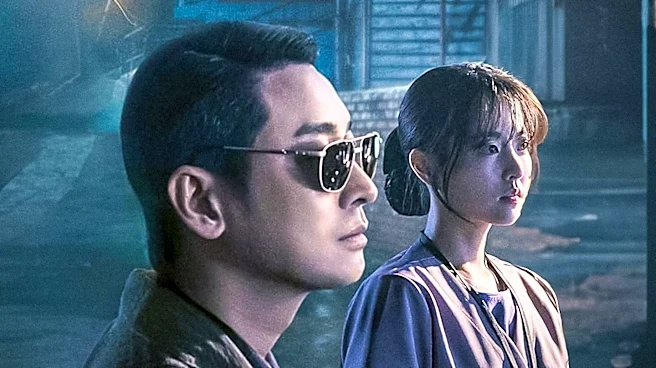
The Korean drama 'Doctor X: Mafia in White' (Korean title: 'Dakteo X: Hayan Mapiaui Sidae'), specifically in its second episode, delves into complex medical ethics and power struggles within a university hospital. The episode features Dr. Gye Sujeong,
a skilled but unconventional surgeon, who navigates the political landscape of Guseo University Hospital. She performs two critical operations: one on a young girl with pancreatoblastoma and another on a VIP chairman with pancreatic cancer. Dr. Sujeong's actions, including prioritizing urgency over status and challenging established hospital protocols, highlight the tension between patient care, hospital prestige, and personal ambition. The narrative also introduces a mysterious past for Dr. Sujeong, hinting at a previous complex surgery in Cuba seven years prior where a patient died, raising questions about her 'never fails' claim.
Why It's Important?
This drama is important as it reflects and dramatizes real-world issues prevalent in healthcare systems, particularly in contexts where prestige and financial contributions can influence medical decisions. The conflict between Dr. Sujeong's patient-centric approach and the hospital's focus on VIPs and internal politics underscores a universal ethical dilemma in medicine. It raises questions about who receives priority care and whether medical procedures are always designed to protect patients or sometimes to protect the pride and status of doctors. The show's exploration of a doctor's responsibility, the impact of wealth on healthcare access, and the internal power dynamics within medical institutions resonates with broader societal discussions about equitable healthcare and professional accountability.
What's Next?
The series is expected to continue exploring Dr. Sujeong's mysterious past, particularly the incident in Cuba and the meaning behind the 'Doctor X' signature. Future episodes will likely reveal how her past experiences shaped her current medical philosophy and her unconventional methods. The ongoing tension between Dr. Sujeong and the hospital's established hierarchy, including figures like Director Bu Seunggwon and Professor Do Yunsik, is anticipated to escalate. Viewers can expect further challenges to the status quo, as Dr. Sujeong continues to prioritize patient outcomes over institutional politics, potentially leading to more confrontations and revelations about the true nature of power within the hospital.
Beyond the Headlines
The drama subtly critiques the commercialization of healthcare and the potential for medical institutions to become entangled in corporate and political interests. The character of the chairman, who is both a donor to the pediatric cancer ward and a figure under investigation for unpaid wages, embodies the moral complexities of wealth and philanthropy. The show suggests that saving a patient's life, even a morally ambiguous one, can serve a greater purpose by allowing them to face accountability outside the hospital. This narrative choice challenges the simplistic hero-villain dichotomy, proposing that true justice might be served not by a doctor's judgment, but by the legal and societal consequences that follow medical intervention.