





What's Happening?
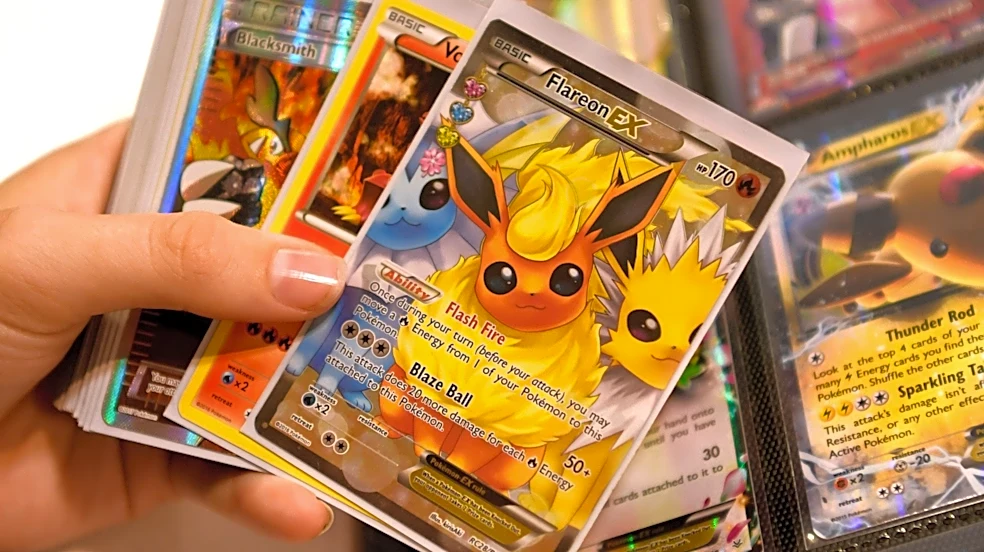
The trading card market is experiencing a significant resurgence, fueled by celebrity investments and innovative brand engagement strategies. Live shopping platform Whatnot reports that Pokémon cards are selling at a rate of four per second, with order
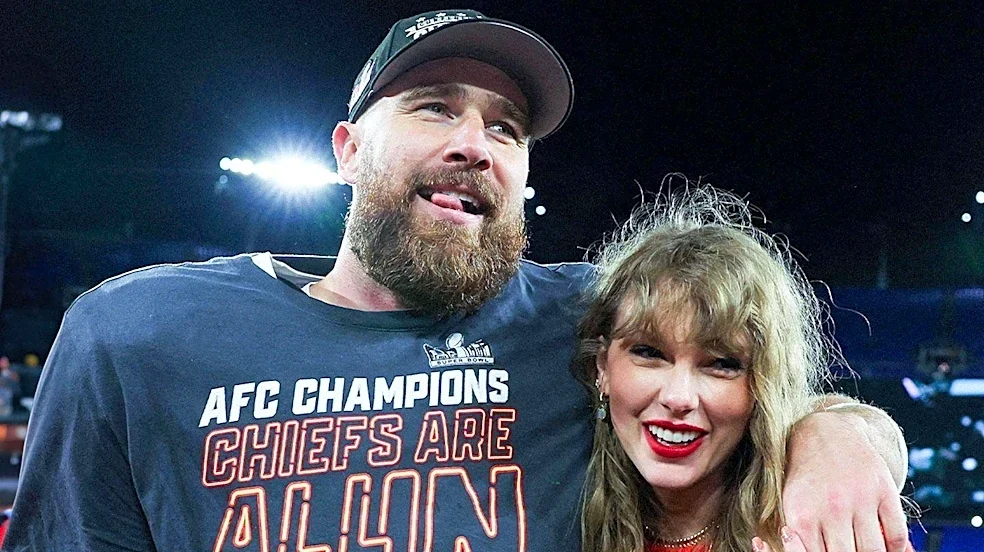
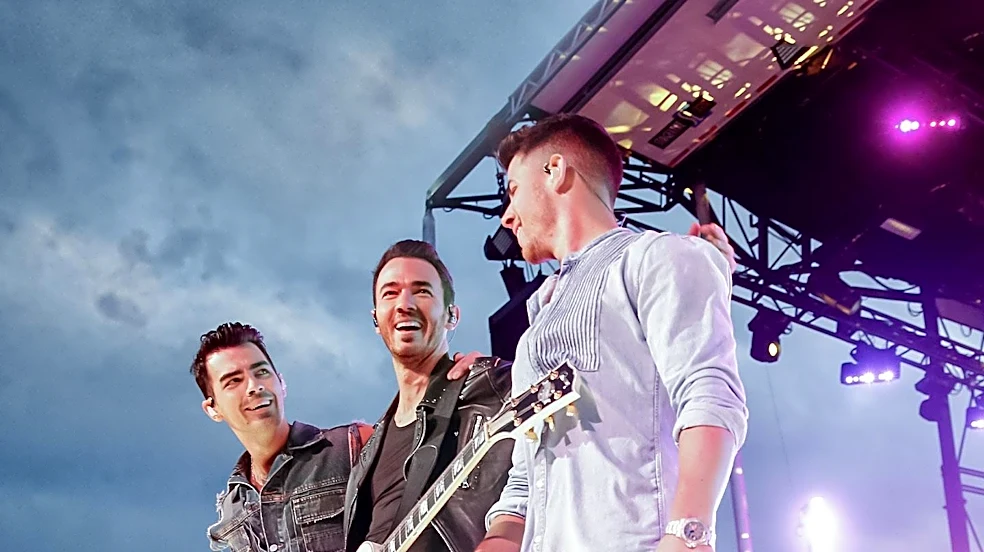
volume in the category more than doubling year-over-year. This trend is expected to continue, expanding beyond traditional collectors. High-profile figures like Tom Brady, Jay-Z, and Dana White have invested in CardVault by Tom Brady, a retailer in the space. Logan Paul famously sold a Pokémon card for $16.5 million, and Joe Jonas frequently promotes trading cards on TikTok. Beyond individual collectors, consumer packaged goods (CPG) brands such as Backflip, Kinder Chocolate, and Garage Beer (backed by Jason and Travis Kelce) are now releasing their own trading cards to foster brand loyalty and engage consumers in new ways.
Why It's Important?
The renewed interest in trading cards signifies a broader shift in consumer engagement and investment trends. The involvement of celebrities lends significant credibility and visibility to the market, attracting new demographics beyond traditional hobbyists. This surge impacts the collectibles market by driving up demand and potentially prices for rare items, creating new investment opportunities. For CPG brands, integrating trading cards into their marketing strategies offers a novel approach to building brand loyalty and creating a unique connection with consumers. This trend could lead to increased competition in the collectibles sector and encourage more brands to explore similar engagement tactics, blurring the lines between product marketing and collectible culture. The economic implications include potential growth for platforms like Whatnot and increased revenue streams for brands leveraging this trend.
What's Next?
The trading card market is poised for continued expansion, with predictions suggesting sustained interest and diversification beyond established franchises like Pokémon. We can anticipate more celebrities entering the market, either as investors or promoters, further legitimizing and popularizing the hobby. Brands are likely to intensify their use of trading cards as a marketing tool, potentially leading to more sophisticated and integrated campaigns that blend physical collectibles with digital experiences. This could include augmented reality features or exclusive online content linked to physical cards. The growth may also spur innovation in how trading cards are distributed, traded, and valued, with platforms like Whatnot playing an increasingly central role. Regulatory discussions around the valuation and trading of these assets might also emerge as the market matures and attracts more significant investment.
Beyond the Headlines
The resurgence of trading cards reflects deeper cultural and economic shifts, including a growing appetite for tangible assets in an increasingly digital world and the power of nostalgia combined with modern influencer marketing. The high-value sales, such as Logan Paul's Pokémon card, highlight the speculative investment aspect of collectibles, drawing parallels to art markets or rare commodities. This trend also speaks to the evolving nature of brand loyalty, where consumers seek more interactive and collectible experiences rather than just transactional relationships. Ethically, the market's rapid growth could raise questions about accessibility and potential for speculative bubbles, especially as more mainstream investors enter the fray. Culturally, it signifies a re-embrace of physical hobbies and community building around shared interests, contrasting with purely digital forms of entertainment.