






What's Happening?
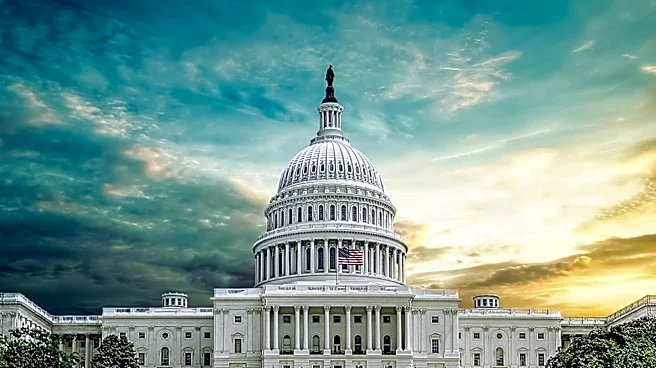
U.S. Representatives Andy Barr (R-KY) and Angie Craig (D-MN) have co-sponsored the Lawful Hemp Protection Act. This legislative effort aims to establish consistent taxation and consumer protection mechanisms for the entire hemp market, rather than focusing
on a single product category. The co-sponsorship comes at a critical time for the hemp industry, which is facing the threat of an unexpected federal ban, reportedly initiated by Senator Mitch McConnell, despite his previous support for the 2018 farm bill. This potential ban, slated for December, could jeopardize the majority of the nation's 50,000 hemp operators, displace an estimated 225,000 jobs, and significantly reduce state sales tax revenue by an estimated $2.1 billion, effectively shutting down the cannabinoid industry. The industry, which has seen substantial investment and growth since the 2018 Hemp Farming Act removed hemp from the federal Controlled Substances Act, is advocating for a thoughtful regulatory system over prohibition.
Why It's Important?
The Lawful Hemp Protection Act is crucial for the stability and future of the U.S. agricultural hemp industry. A federal ban would have devastating consequences for farmers and businesses that have invested significant capital and years into developing hemp production and processing capabilities. The Whitney Economics report estimates a $38.7 billion total addressable market, approximately 350,000 jobs, and $13.9 billion in wages contributed by the hemp industry, particularly through hemp cannabinoids and the growing hemp beverage sector. The proposed legislation seeks to provide the legislative stability needed for this sector to thrive, offering diversification for farmers grappling with tariffs, rising fuel and fertilizer costs, and soaring insurance premiums. Without clear and consistent regulation, the industry faces uncertainty, potentially leading to widespread economic losses and a setback for agricultural innovation and economic growth in states like Kentucky and Minnesota.
What's Next?
The immediate future for the hemp industry hinges on whether a regulatory solution, such as the Lawful Hemp Protection Act, can be passed to avert the impending federal ban. Policymakers in Washington are being urged to consider the lessons learned from states like Kentucky, which has developed a robust regulatory framework through its 2014 Hemp Pilot Program. This program allowed for a better understanding of production methods, market dynamics, and consumer demand, paving the way for responsible standards in safety, licensing, manufacturing, product testing, packaging, distribution, and retail sales. The co-sponsorship by Representatives Barr and Craig signals a bipartisan effort to establish a regulatory system that supports the industry while ensuring public safety. The debate will likely center on the choice between establishing a thoughtful regulatory system or facing the consequences of an abrupt and sweeping prohibition, with significant economic implications for farmers, businesses, and consumers.
Beyond the Headlines
The legislative battle over hemp regulation highlights a broader tension between economic opportunity and regulatory control. The hemp industry, once a niche market, has grown into a significant agricultural and economic sector, demonstrating the potential for sustainable production and entrepreneurial growth. The push for the Lawful Hemp Protection Act reflects a desire to move beyond a 'hemp versus public safety' narrative towards a framework where regulation enhances public safety rather than resorting to prohibition. This situation also underscores the challenges of federal policy-making in rapidly evolving industries, where established laws may not keep pace with technological advancements and market developments. The outcome will not only impact the hemp industry but could also set a precedent for how emerging agricultural sectors are regulated, influencing future policy decisions on new crops and products that offer economic diversification and consumer benefits.