






What's Happening?
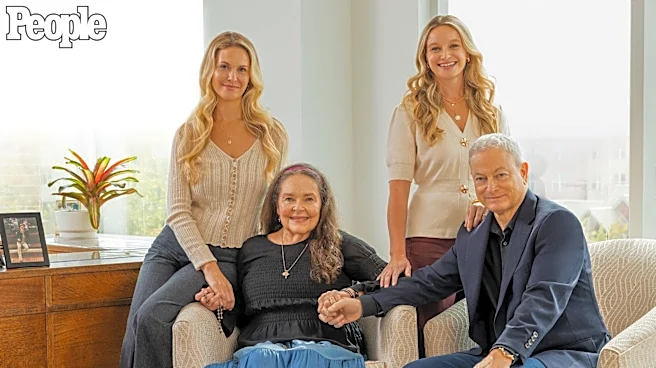
Actress Brittany Snow has openly discussed her father's Alzheimer's diagnosis and the profound impact it has had on their relationship. During an appearance on the 'Armchair Expert with Dax Shepard' podcast, Snow shared that her father was diagnosed in 2020
and his condition is now 'pretty extreme.' She emphasized that while the relationship has transformed, their closeness remains. Snow described her experience as a 'prolonged grief,' which, despite its pain, has allowed her six additional years to cherish moments with her father that she might not have had with a more rapidly progressing illness. She noted that her bond with her father deepened significantly when she was 12 and working on the soap opera 'Guiding Light.' This personal reflection offers a tender and realistic perspective on navigating the complexities of Alzheimer's, highlighting the resilience that can emerge within families facing such a diagnosis.
Why It's Important?
Brittany Snow's public sharing of her family's journey with Alzheimer's is significant for several reasons. It brings a relatable human face to a disease that affects millions of American families, helping to destigmatize conversations around cognitive decline and long-term care. Her description of 'prolonged grief' provides a valuable framework for understanding the ongoing emotional process experienced by caregivers and family members, distinguishing it from acute loss. This narrative can offer comfort and validation to others walking a similar path, reminding them that love and connection can persist even as memory fades and relationships evolve. Furthermore, her emphasis on cherishing the present moments underscores the importance of presence and intentionality in the face of progressive illness, potentially influencing how families approach care and interaction with loved ones suffering from Alzheimer's.
What's Next?
As Brittany Snow continues to navigate her father's illness, her ongoing public discussions could further raise awareness about Alzheimer's disease and its multifaceted impact on families. Her candidness may encourage more open dialogue about the emotional and practical challenges of caregiving, potentially leading to increased support for research, resources, and policy initiatives aimed at assisting those affected by dementia. Her story also highlights the need for continued conversations about mental health and grief within the context of chronic illness. Future engagements or advocacy efforts by Snow could inspire others to share their experiences, fostering a larger community of support and understanding for families dealing with similar circumstances.
Beyond the Headlines
Beyond the immediate emotional impact, Snow's reflections touch upon deeper societal implications regarding how we perceive and cope with aging and illness. Her experience challenges the conventional understanding of loss, suggesting that grief can be a continuous, evolving process rather than a singular event. This perspective can contribute to a broader cultural shift towards more compassionate and nuanced approaches to end-of-life care and support for chronic conditions. Ethically, her story underscores the importance of recognizing the dignity and personhood of individuals with advanced dementia, even as their cognitive abilities decline. It also highlights the psychological burden on caregivers and the need for societal structures that support their well-being, allowing them to maintain their own lives while caring for loved ones.