




What's Happening?
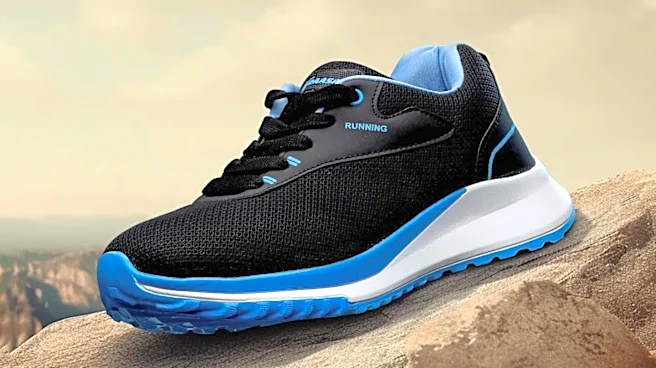
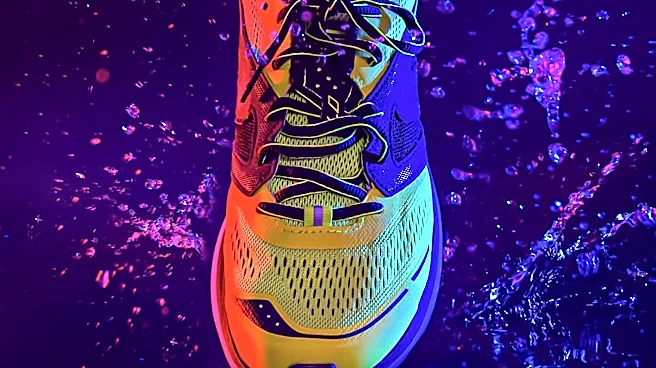
Teva, a division of Deckers Brands, has introduced the Trailpeak, a new high-performance daily trail running shoe. This footwear marks a significant development for the brand as it is their first product fully co-created with athletes from its Teva Bureau
of Adventure (TBA). The Trailpeak is now available on Teva.com and at select U.S. retailers. The shoe's development involved extensive input from TBA ultrarunners like Erin Ton and Mike Wardian, who tested early prototypes and provided feedback on aspects such as responsiveness, fit, and stability. According to Zack Paris, Director of Advanced Concepts & Innovation at Teva, this collaborative approach with athletes is a new innovation strategy for the brand, ensuring the shoe is tailored for real-world trail running conditions, particularly for shorter, faster outings. The Trailpeak features Teva's HYPER-COMF+ midsole cushioning, a speedlace fit system, an internal support cage with 12 anchor points for lateral support, and Spider Rubber Endure for traction.
Why It's Important?
The launch of the Teva Trailpeak signifies the brand's strategic entry into the competitive trail running shoe market, a move that could reshape its market position and appeal to a new segment of outdoor enthusiasts. By collaborating directly with ultrarunners and athletes, Teva is aiming to establish credibility and performance in a category dominated by established athletic footwear brands. This approach not only enhances product development through real-world testing but also builds a strong narrative around authenticity and athlete endorsement, which can be crucial for consumer trust and brand loyalty. For the U.S. outdoor and athletic footwear industry, this introduction could intensify competition, potentially leading to further innovation and specialized product offerings from other brands. Consumers stand to benefit from more advanced and purpose-built options for trail running, while Teva aims to capture a share of this growing market segment, expanding its revenue streams beyond its traditional sandal and casual footwear lines.
What's Next?
Following the limited release of the Trailpeak at select U.S. retailers and on Teva.com, the brand is expected to monitor market reception and sales performance closely. The success of this initial launch will likely influence Teva's future product development strategy, particularly regarding further collaborations with its Bureau of Adventure athletes. Additional TBA products are currently in development, suggesting a continued focus on athlete-driven innovation across other footwear categories. Teva may also expand its distribution channels for the Trailpeak based on demand and market penetration. Competitors in the trail running shoe market will likely observe Teva's performance, potentially leading to their own strategic adjustments or increased investment in athlete partnerships and specialized product development. The brand's long-term success in this new segment will depend on sustained product innovation, effective marketing, and its ability to build a strong community among trail running enthusiasts.
Beyond the Headlines
The co-creation model employed by Teva for the Trailpeak highlights a broader trend in the consumer goods industry where brands are increasingly leveraging direct input from expert users and influencers to develop and market products. This approach moves beyond traditional market research, embedding authentic user experience directly into the design process. Ethically, this model can lead to products that are genuinely better suited to their intended purpose, fostering greater consumer satisfaction and reducing product returns. Culturally, it reinforces the idea of performance and authenticity, appealing to consumers who value expert endorsement and real-world utility. For Teva, this strategy could also serve to rejuvenate its brand image, associating it more closely with high-performance outdoor activities rather than solely with casual wear. This shift could have long-term implications for how the brand is perceived and its ability to attract a younger, more active demographic, potentially influencing its overall brand identity and market positioning for years to come.