



What's Happening?
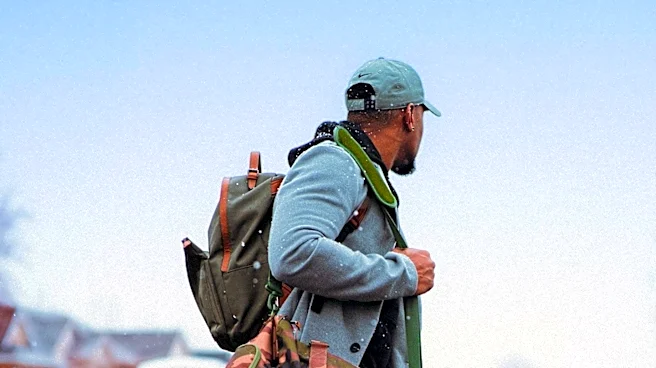
Rucking, an exercise involving walking with a weighted backpack, is experiencing a surge in popularity across the U.S. Rooted in military training, where soldiers carry heavy packs over varied terrain, this fitness trend is being embraced by civilians
for its simplicity and effectiveness. Co-founded by Brandon Uttech and Chris Rose in 2021, the Seattle Ruck Club exemplifies the growing community around this activity. Participants are encouraged to use readily available equipment, such as a standard backpack with added weight, making it an accessible option for many. The exercise promises intensified calorie burn, increased strength and muscle mass, improved posture, and mental clarity. It also offers the benefit of getting outdoors and engaging in social interaction, as highlighted by Uttech. The trend is particularly appealing to midlife adults due to its potential bone health benefits, often supported by the use of weighted vests during movement. While specialized gear exists, the core principle remains simple: add weight and walk.
Why It's Important?
The growing popularity of rucking signifies a shift towards more accessible and functional fitness trends in the U.S. Unlike many specialized workouts that require expensive equipment or gym memberships, rucking offers a low-barrier entry point to physical activity, potentially broadening participation in fitness. Its military origins lend it a perception of robustness and effectiveness, appealing to individuals seeking tangible results in strength and endurance. The emphasis on outdoor activity and community building, as seen with groups like the Seattle Ruck Club, addresses a societal need for both physical and social well-being. For the health and wellness industry, this trend presents opportunities for manufacturers of weighted vests, backpacks, and appropriate footwear. Furthermore, the focus on bone health benefits for midlife adults highlights a demographic-specific appeal, potentially leading to increased engagement from an age group often seeking low-impact yet effective exercise options. The mental clarity aspect also resonates with a broader wellness movement, emphasizing holistic benefits beyond just physical gains.
What's Next?
As rucking continues to gain traction, it is likely to see further integration into mainstream fitness culture. We can anticipate an increase in organized rucking events, challenges, and clubs forming across different regions, fostering a stronger sense of community among participants. Manufacturers may respond by developing more specialized and ergonomic rucking gear, including backpacks designed for comfort and weight distribution, and weighted plates specifically for rucking. Fitness professionals might also begin incorporating rucking into their training programs, offering guided sessions or personalized plans. There could also be a rise in research exploring the long-term health benefits of rucking, particularly concerning cardiovascular health, bone density, and mental well-being. As with any growing trend, there may be a need for educational initiatives to ensure participants adopt proper techniques and gradually increase weight to prevent injuries, especially given the emphasis on load absorption.
Beyond the Headlines
Beyond its immediate fitness benefits, rucking's rise reflects a deeper cultural inclination towards simplicity and practicality in personal well-being. In an increasingly complex world, the straightforward nature of 'putting weight on your back and walking' offers a refreshing contrast to high-tech, often intimidating fitness regimes. This trend also subtly reintroduces elements of resilience and mental toughness, echoing its military roots, which can be empowering for individuals seeking to push their physical and mental boundaries. The communal aspect of rucking clubs addresses a growing desire for authentic social connection in an era dominated by digital interactions. Furthermore, its emphasis on outdoor activity aligns with broader environmental and nature-based wellness movements, encouraging individuals to disconnect from screens and reconnect with their surroundings. This blend of physical challenge, mental fortitude, social engagement, and outdoor activity positions rucking as more than just an exercise; it's a lifestyle choice that resonates with contemporary values.