





What's Happening?
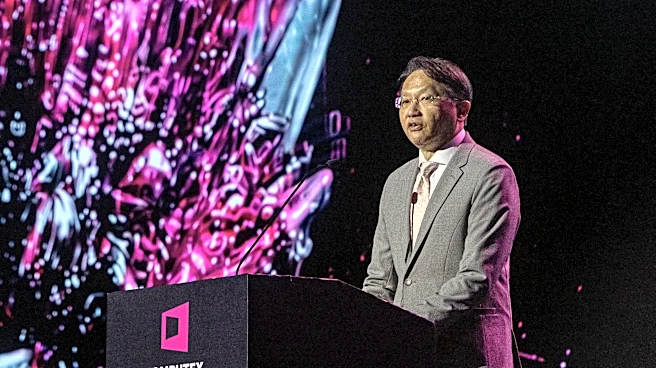
TSMC's chief executive, C.C. Wei, identified advanced packaging, specifically its CoWoS (chip-on-wafer-on-substrate) technology, as the primary bottleneck in the AI boom as of July 2023. While TSMC had sufficient wafer capacity for AI chips, the specialized
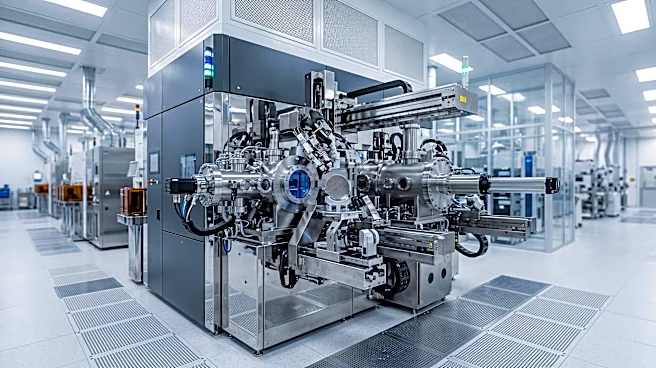
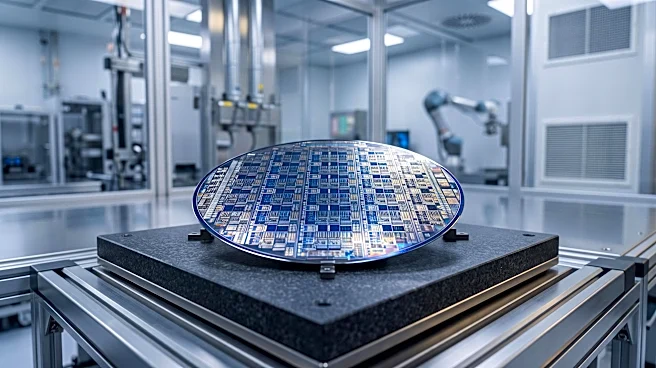
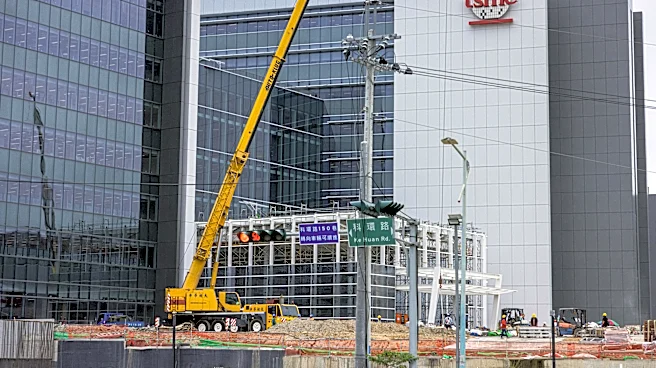
packaging required to finish them was in short supply. CoWoS technology, in commercial use for over a decade, has become integral to Nvidia's AI processors, connecting processor and memory stacks with thousands of microscopic connections on a silicon interposer. Nvidia first adopted CoWoS in 2016 for its Tesla P100 data center processor, and newer versions like CoWoS-L are used in its latest Blackwell and Rubin processors. The surge in AI orders following the introduction of ChatGPT in November 2022 significantly strained CoWoS production capacity, turning a process designed for a modest market into a global limiting factor for AI computing supply. TSMC is actively expanding its CoWoS capacity, with new plants in Chiayi and a converted display factory in Tainan, aiming to increase monthly capacity to approximately 130,000 wafers by the end of 2026 from about 35,000 two years prior. The company has also budgeted significant capital spending for advanced packaging and plans to offer CoWoS at its first packaging plant in Arizona before 2029.
Why It's Important?
The reliance on TSMC's CoWoS technology highlights a critical vulnerability in the global AI supply chain, particularly for U.S. companies like Nvidia. The scarcity of advanced packaging directly impacts the speed at which AI innovations can be deployed, affecting data centers, technological advancements, and the broader digital economy. This bottleneck means that even with cutting-edge chip designs, the physical integration and packaging of these components dictate the pace of AI development and deployment. The situation underscores the strategic importance of advanced manufacturing capabilities and the concentration of such expertise in specific regions, primarily Taiwan. For the U.S., TSMC's plan to offer CoWoS in Arizona before 2029 signifies a move towards diversifying and localizing critical parts of the AI supply chain, potentially mitigating future disruptions and enhancing national technological security. The substantial investments by Nvidia in Taiwanese substrate and assembly partners further illustrate the deep interdependencies within the semiconductor ecosystem and the global nature of AI hardware production.
What's Next?
TSMC is aggressively expanding its CoWoS production capacity, with new packaging plants in Chiayi already beginning mass production and additional phases planned. The company's increased capital spending, with 10 to 20 percent allocated to advanced packaging, testing, and related work, indicates a sustained effort to alleviate the current bottleneck. The development of TSMC's first packaging plant in Arizona, which will offer CoWoS before 2029, represents a significant future step towards localizing advanced packaging capabilities in the U.S. This move could reduce reliance on overseas production and enhance supply chain resilience for American technology companies. Furthermore, Nvidia's financial commitments to Taiwanese suppliers like Unimicron, Kinsus, and SPIL for substrate and packaging lines suggest continued investment in strengthening the broader ecosystem required for advanced AI processors. The success of these expansion efforts will directly influence how quickly Nvidia's next-generation AI designs can transition from conceptualization to functional processors, thereby impacting the overall growth trajectory of the AI industry.
Beyond the Headlines
The CoWoS bottleneck reveals a deeper trend in semiconductor manufacturing where packaging, once considered a secondary step, has become a core component of processor design and performance. This shift elevates the importance of advanced packaging technologies and the specialized expertise required to implement them. The concentration of this critical capability in Taiwan, despite efforts to diversify, underscores geopolitical risks and the need for strategic investments in domestic manufacturing in countries like the U.S. The situation also highlights the intricate web of dependencies within the global technology supply chain, where a single specialized process can dictate the pace of an entire industry's growth. Ethically, the intense demand for AI computing, constrained by packaging, raises questions about equitable access to advanced AI infrastructure and the potential for further consolidation of power among a few key players. Long-term, this could drive greater innovation in packaging technologies and potentially lead to more distributed manufacturing models to mitigate future supply chain vulnerabilities.