




What's Happening?
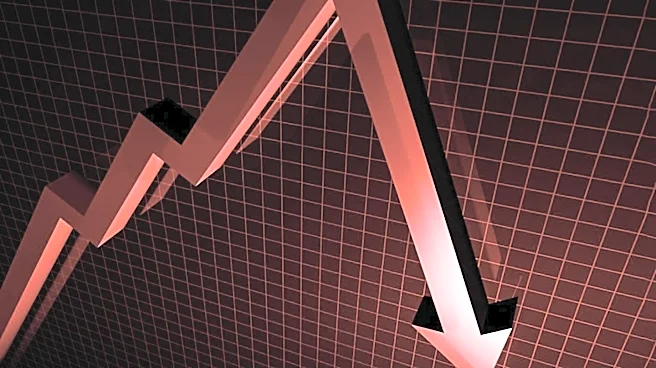
The U.S. economy's growth slowed to 1.5% in the second quarter of 2026, as reported by the Commerce Department. This slowdown is partly attributed to the ongoing war in Iran, which has affected global trade and oil supplies. Despite the economic challenges,
consumer spending remained strong, particularly in durable goods. The Federal Reserve decided to keep interest rates unchanged, despite some members advocating for an increase. The decision reflects the Fed's cautious approach amid inflation concerns and geopolitical uncertainties.
Why It's Important?
The slowdown in GDP growth highlights the impact of external factors, such as geopolitical tensions, on the U.S. economy. The strong consumer spending indicates resilience, but the broader economic challenges, including high energy prices and interest rates, pose risks to sustained growth. The Federal Reserve's decision to hold interest rates steady underscores the delicate balance between supporting economic growth and controlling inflation. The ongoing war in Iran adds complexity to the economic outlook, potentially affecting global markets and U.S. economic stability.
What's Next?
The Federal Reserve will continue to monitor economic indicators and geopolitical developments closely. Future policy decisions will depend on inflation trends, consumer spending, and global economic conditions. The ongoing war in Iran and its impact on oil prices and trade will be key factors influencing the U.S. economic trajectory. Businesses and investors should remain vigilant, as the economic environment remains uncertain and subject to change.