







What's Happening?
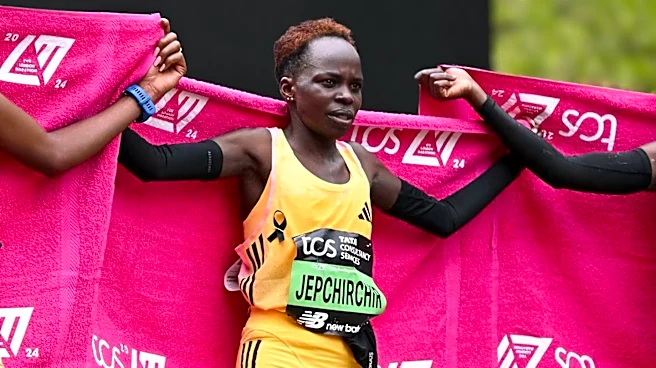
Three high-profile Kenyan athletes, Peres Jepchirchir, Veronica Loleo, and Ronald Korir, have been sanctioned by the Athletics Integrity Unit (AIU) for Anti-Doping Rule Violations (ADRVs). Peres Jepchirchir, a reigning World and former Olympic champion,
received a three-year ban for using EPO. She admitted to breaching rules related to the presence and use of a prohibited substance after an out-of-competition sample collected before her Sydney Marathon victory returned an Adverse Analytical Finding (AAF) for EPO. Veronica Loleo, a recent Half-Marathon silver medallist, also received a three-year ban for EPO use, following AAFs from blood and urine samples. Marathon runner Ronald Korir was banned for six years due to abnormalities in his Athlete Biological Passport (ABP) that he failed to explain, indicating likely doping.
Why It's Important?
These doping bans are significant for the sport of athletics, particularly for Kenya, which has faced ongoing challenges with anti-doping compliance. The sanctions against high-profile athletes like Peres Jepchirchir, a multiple-times World Marathon Major winner, send a strong message about the AIU's commitment to maintaining integrity in the sport. For Kenya, these cases highlight the persistent issue of doping despite efforts by authorities to combat it. The AIU Chief Executive, Brett Clothier, noted that while progress has been made, there is still a long way to go, emphasizing the need to address criminal networks facilitating doping. These bans could impact the reputation of Kenyan athletics globally and may lead to increased scrutiny and stricter anti-doping measures for athletes from the region.
What's Next?
The AIU plans to discuss the details behind commitments to strengthen the Anti-Doping Agency of Kenya and address criminal networks with the Kenyan government in the coming months. Peres Jepchirchir and Veronica Loleo faced four-year bans but received one-year reductions for early admission and acceptance of sanctions. Ronald Korir's six-year ban includes disqualification from all competitions in which he competed from January 19, 2024, the date of the first abnormal sample in his Passport. These cases will likely lead to continued vigilance and potentially more stringent testing protocols for athletes, especially those from high-risk regions. The focus will remain on eradicating doping to ensure fair competition and protect the integrity of athletic achievements.
Beyond the Headlines
The repeated instances of doping among Kenyan athletes raise deeper questions about systemic issues within the country's athletic ecosystem. Beyond individual culpability, there's a need to examine the pressures on athletes, the accessibility of prohibited substances, and the effectiveness of educational and preventative measures. The involvement of 'criminal networks' suggests a more organized problem that requires a multi-faceted approach, including law enforcement intervention alongside sports governance. These bans not only affect the careers of the athletes involved but also cast a shadow over the achievements of clean athletes and erode public trust in the sport. Addressing these underlying issues is crucial for the long-term health and credibility of athletics, particularly in nations that are powerhouses in distance running.