


What's Happening?
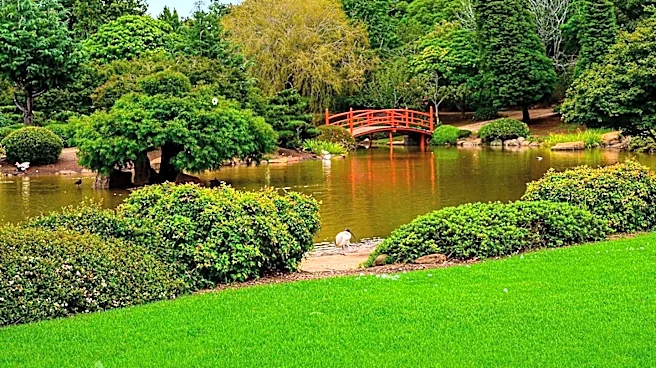
Urban microadventure tourism is becoming increasingly popular as travelers seek immersive experiences within city limits. A prime example of this trend is the Shinjuku Gyoen National Garden in Tokyo, which offers a serene escape from urban life. The garden,
known for its blend of Japanese, English, and French garden styles, provides a tranquil setting for visitors. It features a botanical greenhouse with tropical and subtropical zones, offering a micro-adventure for those looking to explore nature without leaving the city. The garden's history dates back to the Edo era and has evolved into a public space that attracts both locals and tourists seeking a peaceful retreat amidst the bustling cityscape.
Why It's Important?
The rise of urban microadventure tourism reflects a growing interest in nature-based activities and cultural explorations within metropolitan areas. This trend is significant as it highlights a shift in travel preferences, where people are looking for meaningful experiences that do not require extensive travel. For cities like Tokyo, this presents an opportunity to promote local attractions and boost tourism without the environmental impact associated with long-distance travel. Additionally, it supports local economies by encouraging spending on nearby attractions, dining, and accommodations. The trend also aligns with sustainable tourism practices, as it reduces the carbon footprint of travel and encourages the preservation of urban green spaces.
What's Next?
As urban microadventure tourism continues to gain traction, cities may invest more in developing and promoting local attractions that offer unique experiences. This could include enhancing existing parks and gardens, creating new urban green spaces, and developing cultural programs that highlight local heritage. For travelers, this trend offers a chance to explore cities in a new way, focusing on slow travel and deeper cultural engagement. It also presents opportunities for travel companies to create tailored experiences that cater to this growing market. As more people seek out these experiences, cities may see an increase in domestic and international visitors looking for short, immersive trips.
Beyond the Headlines
The trend towards urban microadventure tourism also raises questions about the balance between tourism and local life. As more people flock to urban green spaces, there may be concerns about overcrowding and the impact on local communities. Cities will need to manage these spaces carefully to ensure they remain accessible and enjoyable for both residents and visitors. Additionally, the trend highlights the importance of preserving urban green spaces as vital components of city life, offering not only recreational opportunities but also environmental benefits such as improved air quality and biodiversity. This shift in tourism preferences could lead to a reevaluation of how cities plan and manage their public spaces.