





What's Happening?
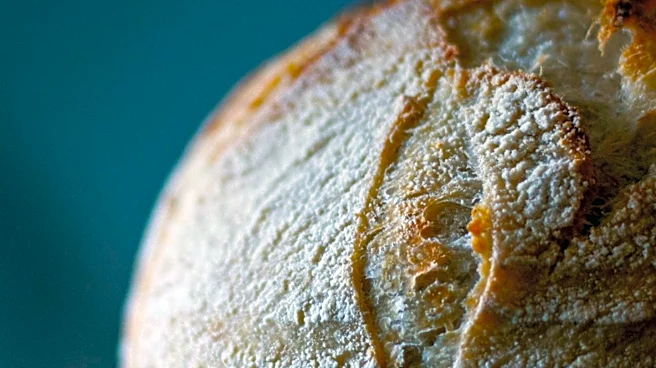
The Low FODMAP diet, which focuses on limiting certain short-chain carbohydrates to alleviate digestive issues, includes specific guidelines for bread consumption. Authentic white wheat sourdough bread is considered low FODMAP when consumed in appropriate
serving sizes. According to Monash University, two slices, approximately 52 grams, of authentic white wheat sourdough constitute a low FODMAP serving. This contrasts with standard white bread, which can reach a high FODMAP serving at just one slice, around 24 grams. The key differentiator is the fermentation process; traditional sourdough undergoes a longer fermentation, which reduces fructans and galacto-oligosaccharides (GOS), carbohydrates often responsible for digestive discomfort in individuals with Irritable Bowel Syndrome (IBS). This process, involving wild yeast and lactic acid bacteria, can reduce these carbohydrates by 70% to 90% compared to standard baker's yeast dough. However, not all bread marketed as sourdough is genuinely low FODMAP; consumers must look for evidence of natural leavening, long fermentation, and a simple ingredient list to ensure authenticity.
Why It's Important?
This information is crucial for individuals in the U.S. managing IBS or other digestive sensitivities who follow a Low FODMAP diet. The ability to safely incorporate authentic sourdough bread provides a valuable dietary option, enhancing meal variety and satisfaction. For the food industry, this highlights the importance of transparent labeling and genuine fermentation processes. Bakeries and food manufacturers that produce truly fermented sourdough can cater to a growing market of consumers seeking gut-friendly options. Conversely, products that use shortcuts like added acids for a sour flavor without proper fermentation may mislead consumers and fail to deliver the intended digestive benefits. This distinction also educates consumers that not all 'sourdough' is created equal, emphasizing the need to understand ingredient lists and fermentation methods rather than relying solely on product names. This can influence purchasing decisions and drive demand for authentically prepared baked goods.
What's Next?
Consumers following a Low FODMAP diet will likely continue to seek out authentically prepared sourdough bread, prompting increased demand for products with clear labeling regarding fermentation processes and ingredient transparency. Food manufacturers may respond by either adapting their production methods to meet these standards or by more clearly differentiating their products. Dietitians and healthcare professionals will continue to educate patients on how to identify suitable sourdough options and manage serving sizes effectively. There may also be a push for more widespread certification of Low FODMAP products, providing consumers with clearer guidance. As awareness grows, the market for specialized dietary products, including genuinely low FODMAP baked goods, is expected to expand, potentially leading to more innovation in this sector.
Beyond the Headlines
The emphasis on authentic fermentation in sourdough bread extends beyond just digestive health; it touches upon broader trends in food production and consumer awareness. There's a growing appreciation for traditional food preparation methods that prioritize natural processes over artificial additives or rapid production. This movement reflects a desire for 'cleaner' eating and a deeper understanding of how food is made. Ethically, it encourages food producers to be more transparent about their processes and ingredients, fostering trust with consumers. Legally, as dietary restrictions become more prevalent, there might be increased scrutiny on food labeling to prevent misleading claims, especially for products marketed towards specific health needs. Culturally, the resurgence of interest in sourdough baking, both commercially and at home, signifies a return to artisanal food practices and a greater connection to the origins of our food.