








What's Happening?
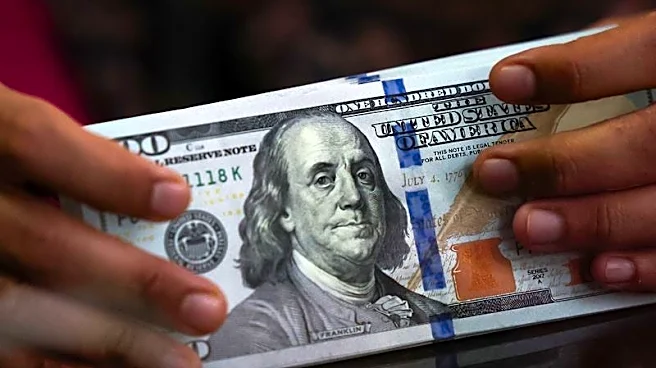
The U.S. dollar has maintained its strength against major currencies due to renewed tensions in the Gulf region, which have increased safe-haven bids. This situation, coupled with a surge in oil prices, has heightened expectations for a potential interest
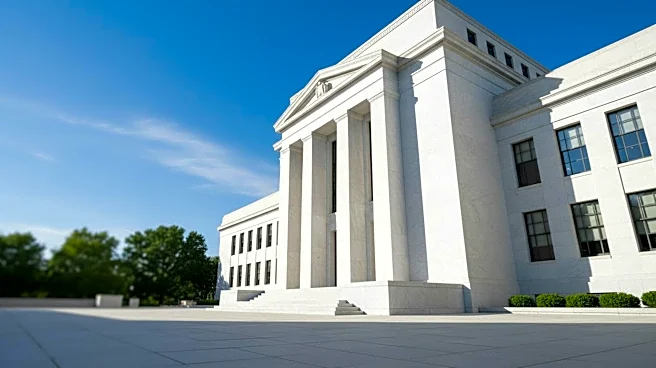
rate hike by the Federal Reserve. The dollar is trading at 162.41 yen, close to its strongest level since July 1. The euro and the British pound remain relatively stable, trading at $1.1426 and $1.3392, respectively. The U.S. dollar index, which measures the currency against a basket of six peers, remains largely unchanged at 100.96. The recent spike in oil prices has rekindled concerns about inflation, prompting speculation that the Federal Reserve might advance the timing of a rate hike. This development follows the release of the Federal Reserve's June meeting minutes, which indicated a division among policymakers regarding the timing of a rate increase.
Why It's Important?
The strengthening of the U.S. dollar and the potential for an interest rate hike have significant implications for global markets and the U.S. economy. A stronger dollar can impact U.S. exports by making them more expensive for foreign buyers, potentially affecting trade balances. Additionally, the anticipation of a rate hike could influence borrowing costs, affecting consumer spending and business investments. The rise in oil prices, driven by geopolitical tensions, adds to inflationary pressures, which the Federal Reserve monitors closely. If inflation continues to rise, it could lead to tighter monetary policy, impacting economic growth. The situation also highlights the interconnectedness of global events and their influence on U.S. economic policy.
What's Next?
If Gulf tensions persist and oil prices continue to rise, the Federal Reserve may face increased pressure to raise interest rates sooner than anticipated. This could lead to further strengthening of the U.S. dollar, impacting international trade and financial markets. Investors and policymakers will closely monitor developments in the Gulf region and oil markets, as well as upcoming economic data, to gauge the likelihood of a rate hike. The Federal Reserve's future decisions will be influenced by these factors, as well as domestic economic indicators such as employment and inflation rates.