




What's Happening?
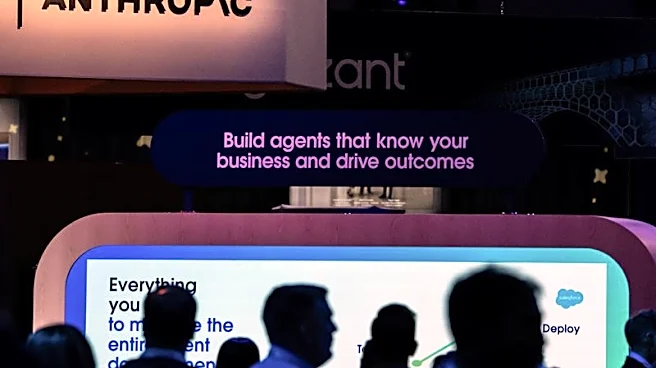
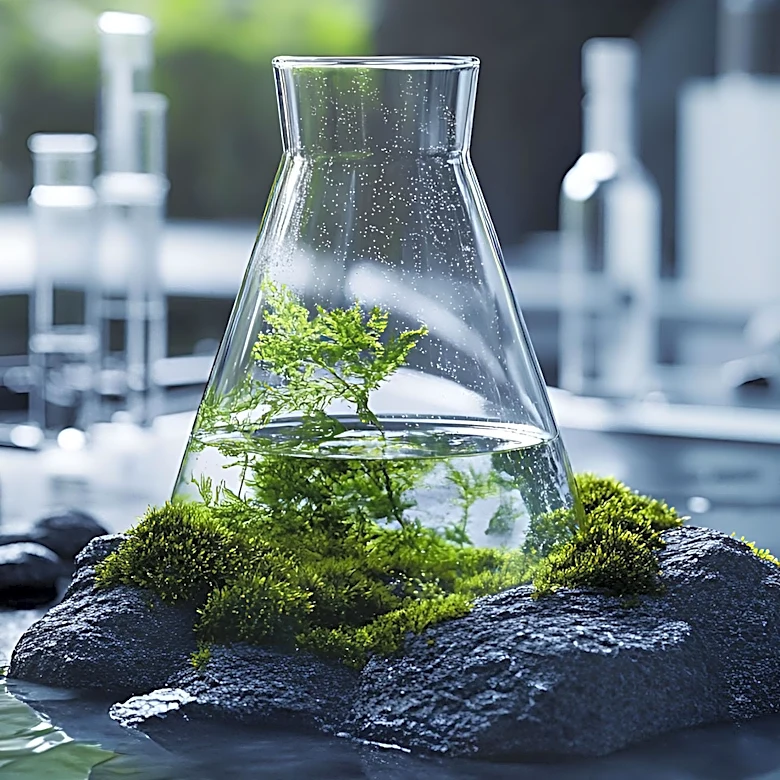
Anthropic, an artificial intelligence startup, has quietly opened a physical biology laboratory, referred to as a 'wet lab,' in the San Francisco Bay Area. This move signifies the company's expansion beyond computational ('in silico') evaluations into
tangible biological experimentation as it intensifies its AI-driven drug discovery initiatives. The head of life sciences at Anthropic, Eric Kauderer-Abrams, confirmed the existence of this lab, emphasizing the necessity of real-world lab work for biological research. While a spokesperson clarified that the lab is not specifically for drug discovery, the broader ambition is to leverage AI to develop treatments for rare diseases, an area often overlooked by the pharmaceutical industry. This development comes amidst public concerns regarding AI's potential impact on employment and human life, yet Anthropic views life sciences as the most significant opportunity for AI to benefit the world.
Why It's Important?
This initiative by Anthropic is important because it represents a significant step in integrating AI with physical biological research, potentially accelerating the drug discovery process. By establishing a wet lab, Anthropic aims to overcome the limitations of purely computational models, allowing for direct experimentation and validation of AI-generated hypotheses. This could lead to breakthroughs in treating conditions previously considered 'undruggable' and speed up the identification of complex molecules like bispecific and trispecific antibodies. The success of such a program could revolutionize the pharmaceutical industry by making drug development more efficient and cost-effective, ultimately benefiting patients with rare diseases. However, the high failure rate of drugs in clinical trials remains a challenge, and the ethical considerations surrounding advanced AI and its societal impact will require continuous oversight.
What's Next?
Anthropic will likely continue to integrate its AI capabilities with the experimental work conducted in its new wet lab, focusing on identifying and developing potential treatments for rare diseases. The company's progress will involve navigating the lengthy and complex process of drug development, which includes extensive testing and, eventually, human trials—a phase Anthropic has not yet undertaken. Future steps will also involve addressing the ethical implications of increasingly mature and organized AI models, as highlighted by the need for continued ethical oversight. As Anthropic prepares for a potential $2 trillion IPO to fund its AI development, the company will need to demonstrate tangible progress in its drug program to justify its ambitious goals and address public and investor expectations.
Beyond the Headlines
The establishment of Anthropic's wet lab highlights a deeper trend of convergence between artificial intelligence and traditional scientific research, particularly in fields like biology and medicine. This interdisciplinary approach could redefine the roles of researchers and the pace of scientific discovery. Ethically, the development of AI capable of influencing biological processes raises profound questions about responsible innovation, the potential for unintended consequences, and the equitable distribution of advanced medical treatments. The personal motivation of Anthropic's CEO, Dario Amodei, whose father died from a disease shortly before a cure emerged, underscores the human element driving these technological advancements, emphasizing the potential for AI to address deeply personal and societal health challenges. This blend of cutting-edge technology, ethical considerations, and personal drive will shape the future landscape of healthcare and scientific exploration.