





What's Happening?
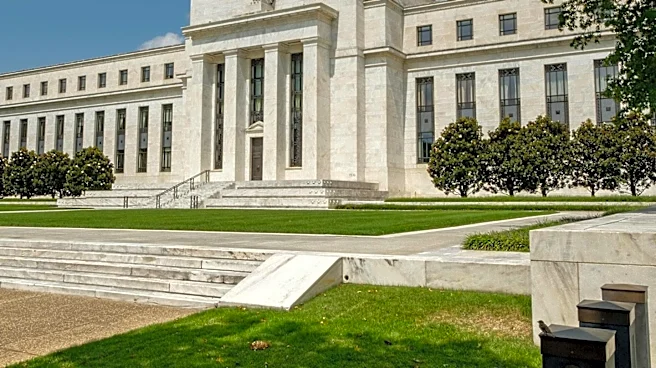
The Federal Reserve Bank of Chicago is actively recruiting for a Senior IT Auditor. This role is crucial for ensuring the integrity and security of the bank's information technology systems, aligning with the Federal Reserve's broader mission of maintaining
a stable financial system. The position involves conducting and documenting IT audit fieldwork, evaluating IT controls, identifying and analyzing cybersecurity risks, and performing follow-up reviews on reported findings. Candidates are expected to possess a Bachelor's degree in a relevant field and at least one year of work experience, along with professional certifications such as CISA, CIA, or CPA. The role emphasizes the application of specialized knowledge in IT, cybersecurity, project management, and cloud technologies to assess control effectiveness and risk management practices within the Federal Reserve System. This hiring initiative comes as the U.S. Federal Reserve navigates a period of significant monetary policy adjustments, including recent interest rate hikes aimed at combating inflation.
Why It's Important?
The recruitment of a Senior IT Auditor by the Federal Reserve Bank of Chicago underscores the increasing importance of cybersecurity and robust IT governance within critical financial institutions. In an era of escalating digital threats and complex technological infrastructures, safeguarding financial systems is paramount for national economic stability. This role directly contributes to the Federal Reserve's ability to fulfill its mandate of promoting a strong economy and a stable financial system by mitigating IT and cybersecurity risks. The emphasis on advanced systems like cloud, agile (SAFe), cybersecurity, and DevSecOps reflects the evolving landscape of financial technology and the need for specialized expertise to audit these areas effectively. A secure and resilient IT environment within the Federal Reserve System is vital for maintaining public trust, protecting sensitive financial data, and ensuring the smooth operation of monetary policy implementation, especially during periods of economic uncertainty and policy shifts like the current interest rate adjustments.
What's Next?
The successful candidate for the Senior IT Auditor position will play a key role in strengthening the Federal Reserve Bank of Chicago's internal oversight and governance. This ongoing investment in IT auditing capabilities suggests a continued focus on enhancing the security and reliability of the Federal Reserve's technological infrastructure. As the Federal Reserve continues to implement its monetary policy, including potential further interest rate adjustments, the integrity of its operational systems will be critical. The new auditor will contribute to identifying and addressing potential vulnerabilities, thereby supporting the Fed's ability to make informed decisions and execute its functions effectively. This recruitment is part of a broader trend within the financial sector to bolster cybersecurity defenses and IT audit functions in response to an increasingly digital and interconnected financial landscape.
Beyond the Headlines
Beyond the immediate need for IT security, the hiring of a Senior IT Auditor at the Federal Reserve Bank of Chicago highlights a deeper societal reliance on digital infrastructure for economic stability. The role touches upon the ethical implications of data security and privacy within a central banking institution, where vast amounts of sensitive financial information are managed. It also reflects the continuous arms race between financial institutions and cyber adversaries, necessitating constant vigilance and adaptation in IT audit practices. The integration of advanced technologies like cloud and DevSecOps into the audit scope indicates a forward-looking approach to risk management, acknowledging that traditional audit methodologies may not suffice for modern, agile development environments. This ongoing evolution in auditing practices is crucial for maintaining the resilience of the U.S. financial system against both known and emerging threats, ensuring that the Federal Reserve can effectively manage monetary policy and support economic growth.