
What's Happening?
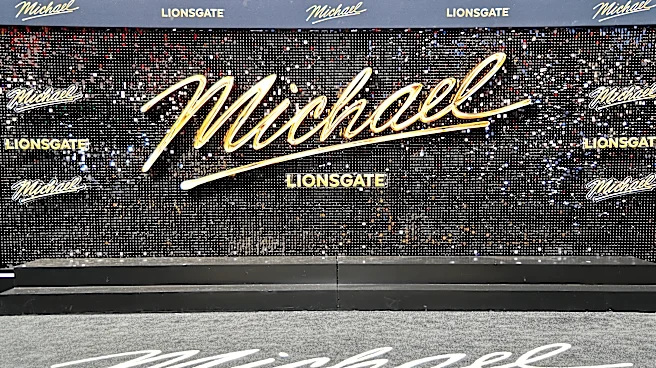
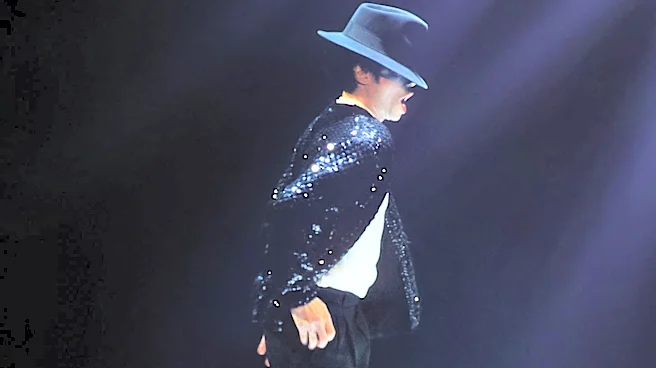
The highly anticipated Michael Jackson biopic, 'Michael,' directed by Antoine Fuqua and produced by Graham King, will not be submitted for consideration at the 2027 BAFTA Film Awards. This unexpected decision removes the film from contention for various
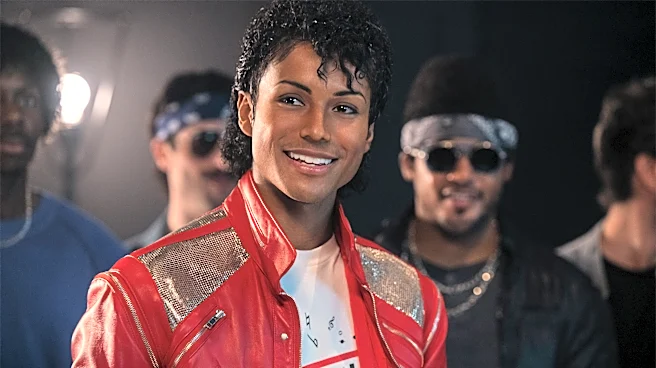
categories, including potential acting nominations for Jaafar Jackson, Colman Domingo, and Juliano Krue Valdi, as well as technical craft awards. The film, which became the highest-grossing biopic of all time after its April release, has garnered over $1 billion worldwide. The choice was made by Fuqua, King, and other stakeholders after consultations with Lionsgate, Universal Pictures, and other partners, who reportedly support the decision. While specific reasons for the withdrawal remain undisclosed, the move follows previous criticism from producer Graham King regarding BAFTA's handling of an incident at the February 2026 ceremony.
Why It's Important?
The decision for 'Michael' to bypass the BAFTA Film Awards is significant as BAFTA is considered a crucial precursor to the Academy Awards, often influencing Oscar nominations and wins. Forgoing BAFTA eligibility means the film will miss a major platform for critical recognition and industry buzz in the lead-up to other awards. This could potentially impact its overall awards season trajectory, despite its massive box office success. The absence of 'Michael' from the BAFTA race also means that its cast and crew, including Jaafar Jackson in his feature film debut, will miss out on a prominent opportunity for international recognition. The move also highlights potential tensions between major film productions and awards organizations, especially in the wake of producer Graham King's prior public criticism of BAFTA.
What's Next?
While 'Michael' will not be considered for the 2027 BAFTA Film Awards, its eligibility for other major awards, including the Academy Awards, remains unaffected. The film's producers and distributors will likely focus their awards campaign efforts on other prestigious ceremonies and critics' awards to secure nominations and wins. The industry will be watching to see if this decision sets any precedent for other major films to selectively participate in awards circuits, particularly if there are underlying grievances with specific organizations. The film's continued box office performance and audience reception will also play a role in maintaining its momentum throughout the awards season, even without BAFTA recognition.
Beyond the Headlines
The withdrawal of 'Michael' from the BAFTA Film Awards could signal a growing trend where filmmakers and studios are willing to challenge traditional awards season pathways. Producer Graham King's previous public criticism of BAFTA suggests a deeper dissatisfaction that may extend beyond the specific incident he cited. This could prompt other major productions to re-evaluate their engagement with awards bodies if they perceive issues with fairness, representation, or organizational conduct. Such actions could lead to a re-shaping of the awards landscape, potentially diminishing the influence of certain ceremonies or encouraging more direct engagement between filmmakers and audiences. It also raises questions about the power dynamics between content creators and the institutions that recognize their work.